
Before you sign a rental agreement in Rwanda, it pays to weigh the car hire pros and cons honestly. A rental can turn a rushed bus itinerary into a relaxed road trip, but only if you check a few points first. Here is what to note before booking, and the rewards you can expect once you do.
Points to note before you book
Most rental problems start at the booking stage, not on the road. So spend twenty minutes on the checks below before you pay a deposit.
1. The quote and what it covers
Ask for a written quote and read it line by line. A daily rate means little until you know what sits inside it. Check these items in particular:
- Is the rate per 24 hours or per calendar day?
- Is mileage unlimited, or capped per day?
- Is a driver included, and who pays the driver’s meals and lodging?
- Are airport delivery and collection included?
- Is fuel included, or do you return the tank at the same level?
Pick a car that fits your budget for the whole trip, not just day one. Our cheap car rental Rwanda page shows the budget-friendly options.
2. Insurance cover
Insurance protects you from paying for damage you did not plan for. Ideally, hire a car that is comprehensively insured, covering third party, theft and collision damage waiver. Then ask one more question: what is the excess? The excess is the amount you still pay if something goes wrong. Knowing it in advance avoids a nasty surprise at return.
3. What you will use the car for
The purpose of the trip should decide the vehicle. For example, a business meeting in Kigali calls for something smart and polished, like a Toyota Land Cruiser V8. A gorilla trek in Volcanoes, by contrast, needs ground clearance more than polish. A week of game drives in Akagera is best in a safari Land Cruiser with a pop-up roof.
4. Vehicle type, size and gearbox
Choose a car close to what you drive at home. If you drive a big SUV already, a Prado or Land Cruiser will feel natural. If you drive a small hatchback, a RAV4 is an easier step up. Also tell us whether you want automatic or manual transmission, because availability differs.
5. Your driving documents
For self-drive you need your licence and, ideally, an International Driving Permit. Remember that Rwanda drives on the right. If that worries you, a car with a driver removes the problem.
6. Pickup, return and cross-border plans
Agree where and when you collect and return the car. Airport delivery at night, a hotel drop-off or a one-way return may each need arranging in advance. Also mention any plan to cross into Uganda, Tanzania or Kenya. Cross-border trips need extra paperwork and written permission, so raise them before you book rather than at the border.
The rewards of renting a car in Rwanda
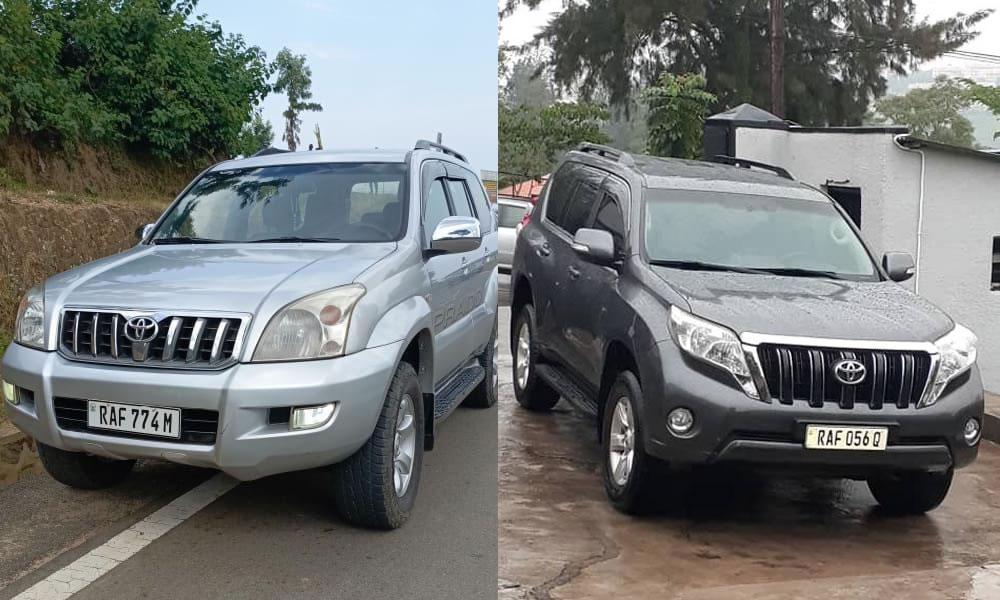
Once the checks are done, the benefits are real. Here are the ones travellers mention most often.
Freedom to go where you like
With your own car you set the route. Fill the tank, tell your driver (or yourself) where you want to go, and stop when something catches your eye. A roadside tea plantation or a hilltop view over Lake Kivu does not appear on any bus timetable.
Faster door-to-door travel
Public buses in Rwanda are reliable on main routes. However, they wait to fill up and stop often to drop and collect passengers. A rental takes you straight from your hotel to the park gate. That matters on a gorilla trek day, when you must report early in the morning.
Predictable costs
Rental is charged at a set daily rate, whatever distance you cover within the agreed terms. So for longer trips, or for a family sharing one car, it often works out cheaper than paying per seat or per kilometre. You can plan your budget around a known number.
Space for luggage and gear
Hiking boots, rain jackets, camera bags and water all add up. A 4×4 swallows the lot. You also don’t have to carry everything with you at each stop.
Weighing the car hire pros and cons side by side
No option is perfect, so here is a fair summary.
| Pros | Cons |
|---|---|
| Flexible routes and timing | Higher upfront cost than a single bus ticket |
| Direct transfers with no stopovers | You handle fuel, parking and navigation on self-drive |
| Fixed daily rate, easy to budget | A deposit or excess may apply |
| Room for family, luggage and gear | Right-hand driving may feel new to some visitors |
| Access to park tracks a bus can’t reach | Rough roads need a suitable 4×4 in rainy season |
For most visitors heading to national parks, the pros clearly win. For a solo traveller staying only in Kigali, a taxi may be enough.
How to tip the car hire pros and cons in your favour
A few simple habits cut the downsides almost to nothing.
- Book early in peak season. June to September and December fill up fast, so reserve weeks ahead.
- Inspect the car at handover. Photograph scratches, check the spare tyre and test the lights.
- Get everything in writing. Rate, inclusions, excess and return time should all appear in your agreement.
- Plan fuel stops. Fill up in towns such as Musanze, Rubavu or Huye before entering remote areas.
- Consider a driver for the first days. You learn the roads, then switch to self-drive if you like. See our car hire with driver service.
FAQ
What is the most overlooked point when hiring a car?
The insurance excess. Many renters check the daily rate but never ask how much they would pay after an accident.
Is renting cheaper than public transport for a family?
Often, yes. One daily rate covers everyone, while bus fares multiply with each person and each leg.
Should I pick automatic or manual?
Choose what you drive at home. Hilly roads are much easier on a familiar gearbox.
Can I change the vehicle type after booking?
Usually, subject to availability. Ask early and confirm any price difference in your updated quote.
Ready to book?
Send us your dates and plans, and we will send a clear written quote. WhatsApp or call +250 725 074659, or email info@4x4carrentalrwanda.com. You can also browse the full range on our car rental Rwanda page.