
A self-drive trip puts you in places tour buses rarely stop: a hillside market, a village football pitch, a roadside banana stall. That freedom makes connecting with locals Rwanda-style surprisingly easy, as long as you know a few customs. This guide covers where to stop, what to say and how to be a welcome guest behind the wheel.
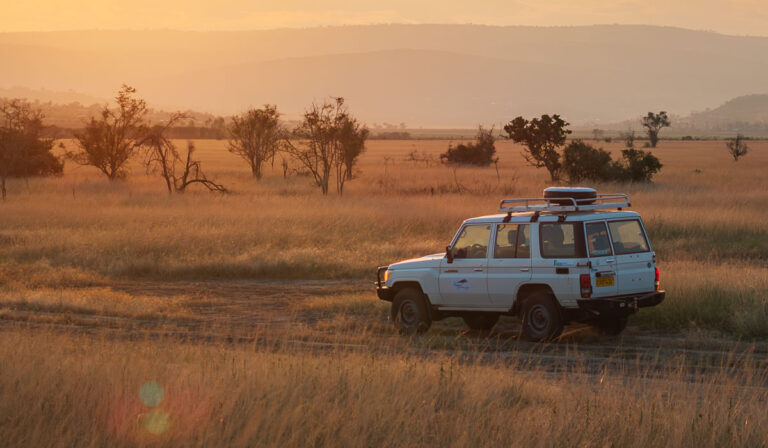
Why a Self-Drive Trip Opens Doors
On a guided tour, the schedule decides where you stop. With your own car, you can pull over when something catches your eye. You can linger over a meal, accept an invitation or take a detour to a village you spotted on the map.
Many travellers say these unplanned moments are what they remember most. Sharing food or a game with village elders shows you a different side of life, one built on sharing, community and patience. Our self-drive Rwanda service is designed for exactly this kind of flexible travel.
Learn a Few Kinyarwanda Words First
Kinyarwanda is spoken by almost every Rwandan. English, French and Swahili are also used, especially in towns. Still, a greeting in Kinyarwanda instantly changes the mood of a conversation.
| Kinyarwanda | Meaning | When to use it |
|---|---|---|
| Muraho | Hello | Any time of day |
| Mwaramutse | Good morning | Before midday |
| Amakuru? | How are you? | After greeting |
| Ni meza | I’m fine | Reply to amakuru |
| Murakoze | Thank you | Always |
Write these on a card and keep it on the dashboard. Even a clumsy attempt earns smiles and often starts a longer chat.
Best Places for Connecting With Locals Rwanda Offers Self-Drivers
Local markets
Every town has a market day. Park nearby and walk through slowly. Buy some fruit, ask what an unfamiliar vegetable is and how people cook it. Traders are usually happy to explain.
Roadside stalls and small cafés
The roads to Musanze and Huye are lined with stalls selling bananas, maize, potatoes and avocados. Stopping to buy creates a natural chance to talk. Small roadside restaurants serving a buffet of local dishes are also great for meeting people.
Cultural centres and museums
Combine casual encounters with deeper learning. The King’s Palace Museum in Nyanza shows traditional royal life and long-horned Inyambo cattle. The Ethnographic Museum in Huye explains crafts and customs. Near Musanze, community cultural villages offer dancing, drumming and traditional cooking.
Homestays and community guesthouses
Staying with a family is the deepest way to connect. Several areas near Volcanoes and Lake Kivu have community-run stays. You eat with your hosts and see daily life up close.
Customs to Know When Connecting With Locals Rwanda-Wide
Rwandans tend to be polite and reserved with strangers at first. Following a few customs shows respect and helps you build trust quickly.
Ask before taking photos
Always ask before photographing people, homes or children. A simple gesture with the camera and a smile usually works. If someone says no, accept it graciously.
Accept food and drink when offered
Refusing food can seem rude. Taste a little, even if you’re not hungry, and thank your host warmly. Shared meals often lead to the best conversations.
Dress modestly in villages
Kigali is relaxed, but rural areas are more conservative. Knee-length shorts or skirts and covered shoulders are a safe choice when visiting homes or churches.
Avoid handing out money or sweets
Children may run alongside your car and wave. Wave back and greet them, but don’t throw sweets or coins from the window. If you want to help, support a local school or community project instead.
Practical Driving Tips for Social Travellers
Connecting with people means stopping often, so plan for a slower pace. Here are a few habits that help.
- Budget extra time: Kigali to Musanze is usually 2–2.5 hours, but allow longer if you want to stop along the way.
- Park safely: pull fully off the road, ideally near a shop or in a marked area.
- Carry small notes: roadside traders rarely have change for large bills.
- Watch for Umuganda: on the last Saturday morning of each month, community work days limit traffic until around midday.
- Respect the plastic bag ban: Rwanda bans most plastic bags, so carry a cloth shopping bag.
- Be careful with lifts: giving rides is a personal choice. Use your judgement and follow your rental company’s guidance.
Joining Umuganda yourself, where welcomed, is a memorable way to work alongside residents. Ask your guesthouse host if a local group accepts visitors.
A Sample Southern Route With People at Its Heart
The road south from Kigali is ideal for a culture-focused drive. It is paved, busy with village life and dotted with interesting stops.
- Day 1: Leave Kigali early and drive to Nyanza, about two hours away. Visit the King’s Palace Museum, then eat lunch at a local restaurant in town.
- Day 1 afternoon: Continue to Huye, Rwanda’s university town. Spend the late afternoon at the Ethnographic Museum and chat with students in a café.
- Day 2: Drive on toward Nyungwe, stopping at tea estates and roadside stalls. Allow time for unplanned conversations along the way.
This route works well before a chimp trek or canopy walk. See our Nyungwe National Park guide for the next leg.
Choosing a Vehicle for a Village-Focused Trip
Many village roads are unpaved and steep. A higher-clearance 4×4 copes better with rain and rough tracks. A Land Cruiser Prado is comfortable for couples and small families. Travelling with friends and camping kit? Look at our car rental with camping gear.
If you want local insight without driving, a driver-guide can translate and introduce you to people along the route.
Frequently Asked Questions
Do most rural Rwandans speak English?
Younger people and those in towns often do. In remote villages, Kinyarwanda is more common, so gestures and a few local words help a lot.
Is it safe to stop in villages on a self-drive trip?
Rwanda is generally very safe for travellers. Use normal care: lock the car, keep valuables hidden and stop in daylight.
Can I visit a local family’s home?
Yes, through homestays or community tourism projects. Arriving uninvited at a private home is not appropriate.
What is a good gift for a host family?
Practical items such as sugar, soap, school supplies or fruit are appreciated. Ask your host beforehand if you’re unsure.
Start Planning Your Road Trip
Want a route that mixes national parks with village stops? WhatsApp us on +250 725 074659 or email info@4x4carrentalrwanda.com, and we’ll help you plan it.