
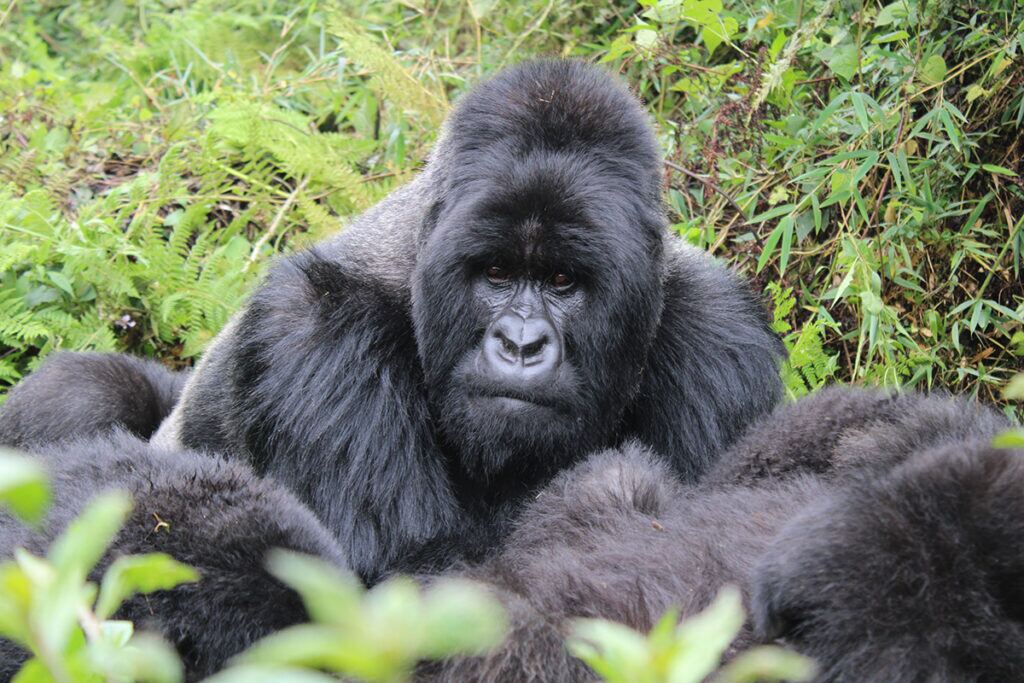
An hour with mountain gorillas sits at the end of a long chain of bookings: permit, lodge, vehicle, and a very early alarm. Get the order right and the whole thing feels effortless. This guide sets out the gorilla trekking logistics step by step, from the day you book to the drive home, and shows where a rental car makes each stage simpler.
Step 1: Secure the Permit Before Anything Else
Everything else depends on your permit date, so book it first. Rwanda’s gorilla permits are issued by the Rwanda Development Board (RDB) and cost US$1,500 per person. Rules and fees are set by RDB and can change, so check current terms when you book.
Permits for the dry seasons, roughly June to September and December to February, often sell out months ahead. If your dates are flexible, ask for availability across several days. Once the date is fixed, you can build the rest of the trip around it.
What the permit covers
- Your trek with a ranger team and one hour with a habituated gorilla family.
- Park entry for that day.
It does not cover transport, lodging, porters or tips. Those are separate pieces of the puzzle.
Step 2: Choose Your Base Near the Park
Trekkers gather at the Kinigi park office early in the morning. Where you sleep the night before decides how stressful that morning will be.
| Base | Distance to Kinigi | Best for |
|---|---|---|
| Kinigi area lodges | A few minutes | A relaxed start and quiet evenings |
| Musanze town | About 20–30 minutes | More choice of hotels and budgets |
| Kigali | About 2–2.5 hours to Musanze, then on to Kinigi | Tight schedules and day trips |
Most travellers arrive the afternoon before and stay one or two nights nearby. That leaves time to rest and maybe add golden monkey tracking.
Step 3: Match the Car Rental to Your Permit Date
Next, reserve a vehicle for the full span of your trip. Send us your permit date, lodge and any other stops. We then plan pickup so you reach your base the day before trekking.
Self-drive, driver or both
Self-drive works well for confident drivers on the paved road north. Alternatively, a driver removes all navigation on trek morning. Many guests combine the two. Read more on our car hire with driver page.
Vehicle type
Trailheads can sit at the end of rough farm tracks, so a 4×4 is the sensible choice. A Prado or Land Cruiser handles them in any season.
Gorilla Trekking Logistics on the Day Before
The evening before your trek is for preparation, not packing in a panic. Use this checklist.
- Lay out boots, gaiters, rain jacket, long sleeves and gardening gloves.
- Pack water, snacks and a small daypack.
- Put your passport and permit in a waterproof bag.
- Charge your phone and camera; bring a spare battery.
- Fuel the car and check tyre pressure if self-driving.
- Confirm the morning departure time with your driver or lodge.
- Withdraw cash in francs for porters and tips.
Trek Day, Hour by Hour
Here is how a typical trek morning runs. Exact times vary, so follow the guidance on your permit and from your lodge.
- Early morning: leave your base so you reach Kinigi well before the briefing.
- Briefing: rangers explain the rules and assign you to a gorilla family.
- Drive to trailhead: you follow your group to the starting point, sometimes on rough tracks.
- The trek: hike through farmland and forest, from under an hour to several hours.
- One hour with the gorillas: the time limit is strict, so keep cameras ready.
- Return: walk back to the car, change into dry clothes and head for lunch.
Porters
Local porters wait at the trailhead to carry your bag and help on steep slopes. Hiring one supports the community and makes the trek easier. Their fee is set locally, so ask at the briefing.
Budgeting the Gorilla Trekking Logistics
The permit is the largest single cost, but it is far from the only one. List every item early so the total does not surprise you.
- Permit: US$1,500 per person, paid to RDB.
- Vehicle: daily hire for every day of the trip, not just trek day.
- Driver: if you add one, plus their meals and lodging where applicable.
- Fuel: for the return trip from Kigali and any extra drives.
- Lodging: at least one night near the park.
- Porters and tips: paid in cash on the day.
Ask us for a quote that itemises the transport side clearly. You can then add your permit and lodge costs to see the full picture.
After the Trek: Where Next?
With your own car, the afternoon is yours. Some guests rest at the lodge. Others drive to the Twin Lakes or continue to Rubavu on Lake Kivu, about 1.5 hours away.
For a fuller plan, our 5 days Rwanda gorilla safari adds the lake and other activities. If time is short, the full day gorilla trekking safari covers it all from Kigali.
Adding Uganda’s Gorillas to the Trip
Some travellers track gorillas in both countries. Uganda’s parks near the border, such as Bwindi and Mgahinga, are reachable by road from Musanze. Allow roughly 5 to 7 hours from Kigali to Bwindi, depending on the border crossing and sector.
This needs extra planning. Uganda issues its own permits through UWA, and the vehicle needs cross-border documents arranged in advance. Remember that Uganda drives on the left. See our cross-border car hire page for details.
FAQ
How far ahead should I book the car for a gorilla trek?
As soon as your permit is confirmed. In peak months, 4x4s book up alongside permits.
Can I trek on the same day I arrive in Rwanda?
It is not practical. Arrive at least the day before, ideally near the park.
Do I need cash on trek day?
Yes, some francs for porters, tips and small purchases. Card machines are rare at trailheads.
What if my trek runs late?
That is common. Avoid planning a long drive for the same afternoon, and never drive the mountain roads after dark.
Ready to plan your gorilla trip? Send your permit date and lodge on WhatsApp to +250 725 074659, and we will line up the right vehicle around it.