
Fuel is the biggest running cost on any self-drive trip, so it pays to know where and how to fill up. This guide to fuel stations Rwanda drivers rely on explains how pump prices are set, where stations are easy to find and where they thin out. You will also learn how to budget fuel for a Land Cruiser on a park loop.
How Fuel Prices Work in Rwanda
Pump prices in Rwanda are regulated by the government. The regulator publishes maximum prices for petrol and diesel, and it reviews them regularly in line with world oil prices and import costs. As a result, prices are usually the same, or very close, at every station in the country.
This makes budgeting easier than in many countries. You do not need to hunt for a cheaper station across town. However, prices do change from one review to the next, so check the latest rates shortly before your trip.
Petrol or diesel?
Most safari Land Cruisers, the Hilux and the Hiace run on diesel. Smaller SUVs such as the RAV4 usually take petrol. Always confirm the fuel type at pickup, and check the label inside the fuel flap. Putting the wrong fuel in a tank is an expensive mistake.
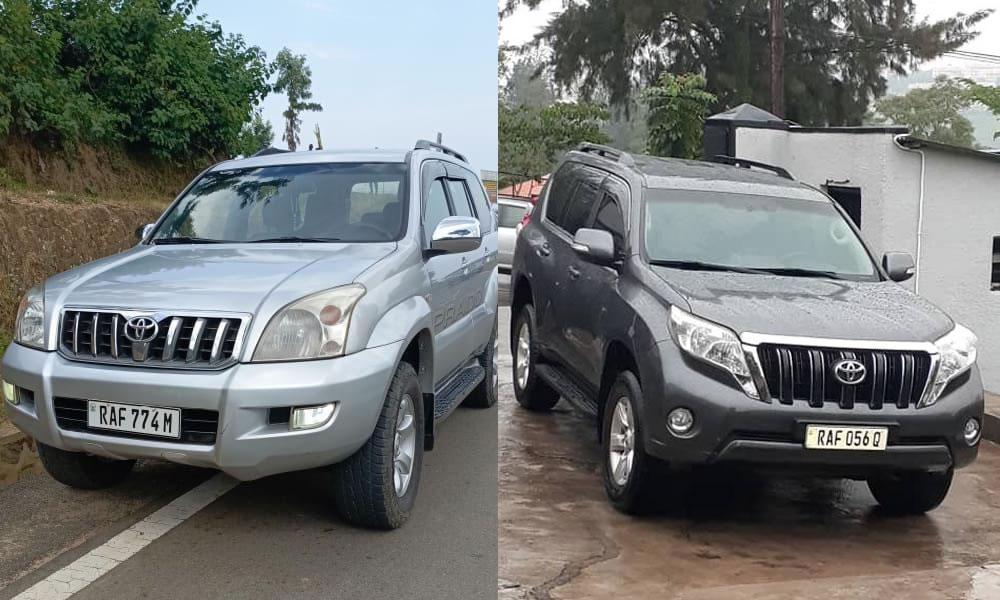
Fuel Stations Rwanda: Where to Fill Up on Each Route
Kigali has plenty of filling stations along its main roads and roundabouts. Outside the capital, you will find them in every district town and along the national highways. Even so, the gaps between stations get longer once you head toward the parks.
Reliable fuel stops by route
| Route from Kigali | Drive time | Where to refuel |
|---|---|---|
| Volcanoes National Park | 2 to 2.5 hours | Kigali, then Musanze town |
| Akagera National Park | About 2.5 hours to the gate | Kigali or Kayonza before the park |
| Nyungwe Forest | 5 to 6 hours | Muhanga, Huye, then Rusizi on the far side |
| Rubavu and Lake Kivu | 3 to 3.5 hours | Musanze or Rubavu town |
| Katuna border | About 1.5 hours | Kigali or Gicumbi |
Akagera needs extra care
There is no public fuel station inside Akagera National Park. A full day of game drives, plus the trip in and out, uses a lot of diesel. So fill the tank completely in Kayonza or Kigali before you enter. Read our Akagera National Park guide for more on the park roads.
Nyungwe’s long forest stretch
The road through Nyungwe crosses a long section of forest with no towns. Fill up in Huye before you start, or in Rusizi if you come from Lake Kivu. Our Nyungwe National Park page covers the route in more detail.
Budgeting Fuel for Your 4×4
Fuel use depends on the vehicle, the load and the terrain. Rwanda’s constant hills mean you burn more than you would on flat roads. In addition, slow game drives in low gear use more fuel per kilometre than highway cruising.
A simple way to estimate
- Add up the kilometres on your planned route, including side trips.
- Ask us for the realistic consumption of your chosen vehicle on hilly roads.
- Multiply to get the litres needed, then add about 15 percent for detours and game drives.
- Multiply by the latest published pump price.
A Toyota RAV4 will use noticeably less fuel than a full-size Land Cruiser. So if your trip is mostly tarmac, a smaller SUV can cut your fuel bill. On the other hand, the Land Cruiser is the safer choice for rough park tracks.
Crossing into Uganda or Tanzania
If you plan a cross-border trip, remember that fuel prices differ in each country. It is usually simplest to cross with a full tank and refuel in the next major town. Keep some local currency for the first stop.
Rooftop tents and roof loads
A rooftop tent or heavy roof rack adds wind resistance, so expect slightly higher consumption. Pack light and keep heavy items low inside the vehicle. That helps both fuel economy and handling on bends.
Fuel Policy and Paying at the Pump
Most rentals use a full-to-full policy. You collect the car with a full tank and return it full. If you return it short, the missing fuel is usually charged, often at a higher rate than the pump.
Paying for fuel
Stations in Kigali and larger towns generally accept cards and mobile money. However, smaller stations may prefer cash in Rwandan francs. Carry enough cash for at least one full tank when you leave the city.
At the pump
- Attendants fill the tank for you, so stay with the car and watch the meter start at zero.
- State clearly whether you need diesel or petrol.
- Ask for a receipt, especially on business trips.
- Check the fuel cap is closed before you drive away.
Tips to Save Fuel on Rwanda’s Hills
Small habits make a real difference over a week of driving. Try these:
- Drive smoothly and avoid hard acceleration on climbs.
- Use engine braking on descents instead of riding the brakes.
- Keep tyres at the recommended pressure.
- Switch off the engine during long stops, unless you need it for safety.
- Plan routes to avoid doubling back.
Finally, follow the half-tank rule. When the gauge drops to half and you pass a station, fill up. That one habit prevents almost every fuel scare on rural roads.
Fuel Stations Rwanda: Common Questions
Are fuel prices the same across the country?
Prices are capped nationally, so they are very similar everywhere. Small differences can appear in remote areas, but they are rarely significant.
Are fuel stations open at night?
Many stations in Kigali and on main highways stay open late. In rural areas, hours are shorter, so refuel during the day.
Should I carry a jerrycan?
For most routes, no. Stations are frequent enough if you refuel at half a tank. For remote camping trips, ask us whether a spare container makes sense.
Does a driver-guide handle fuel stops?
Yes. With car hire with a driver, your driver plans fuel stops along the route. You simply agree beforehand how fuel is paid.
Plan Your Self-Drive Route With Us
Tell us your route and dates, and we will suggest the most fuel-sensible vehicle for your trip. Message us on WhatsApp at +250 725 074659 or email info@4x4carrentalrwanda.com.