
Packing the right self drive camping essentials makes the difference between a cold, frustrating night and a trip you will talk about for years. Rwanda’s parks are close together, but nights in the hills get chilly and supplies can be thin outside towns. Here is a practical, category-by-category list for a camping safari in your own 4×4.
Start With the Vehicle and Tent Setup
Your vehicle is your base camp, so choose it before you build a packing list. A 4×4 with a rooftop tent keeps you off damp ground and away from insects. It also folds away in minutes, so you can make early starts for game drives.
A Land Cruiser offers the most storage and the best clearance for park tracks. A smaller SUV works for couples who camp only a few nights. Either way, ask what comes with the camping kit, so you do not pack items twice. Our car rental with camping gear page lists what a typical setup includes.
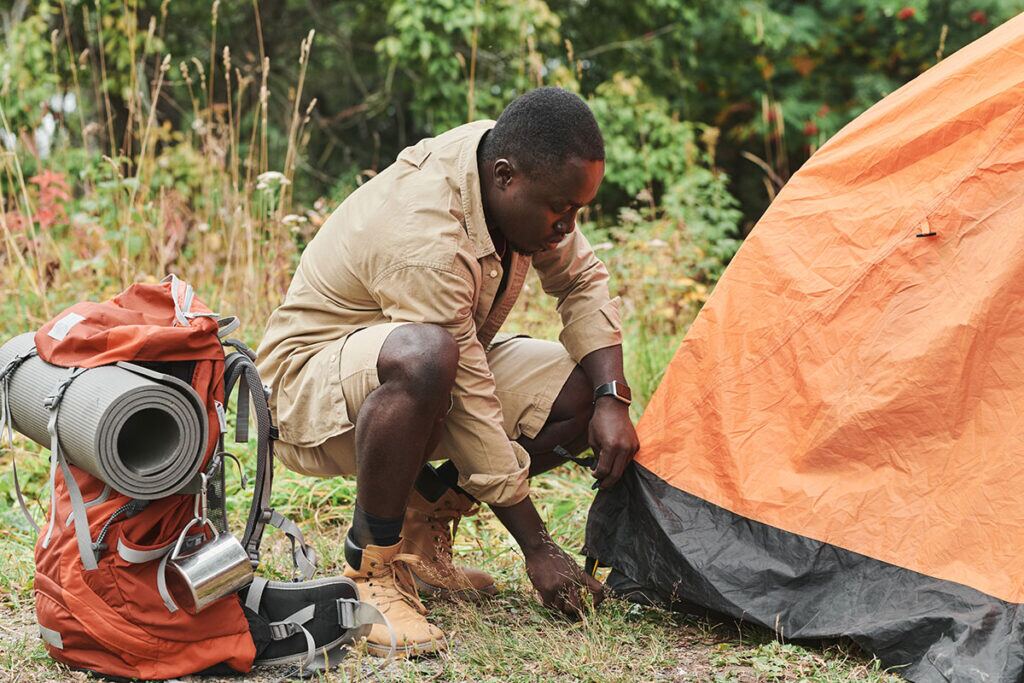
Check the tent before you leave Kigali
- Open and close it once with us, so you know the steps.
- Check the ladder, zips and rain fly.
- Confirm the mattress, pillows and bedding are inside.
Sleeping Kit for Cool Highland Nights
Many visitors expect Africa to be hot all night. However, Rwanda sits high, and evenings near Volcanoes and Nyungwe can feel cold. Akagera, in the lower east, is warmer, so pack in layers.
- A warm sleeping bag or a duvet plus an extra blanket.
- A fleece, a warm hat and thick socks for evenings.
- A small pillow if the kit does not include one.
- Earplugs, because night sounds in the bush can be loud.
Kitchen and Water: Self Drive Camping Essentials for Cooking
Cooking your own meals saves money and lets you eat when it suits you. A simple, well-organised kitchen box is all you need.
Cooking gear
- A gas stove with a full canister, plus a lighter and matches.
- One pot, one pan, a kettle and a sharp knife.
- Plates, mugs, cutlery and a chopping board.
- A washing-up bowl, biodegradable soap and a cloth.
- Rubbish bags, so you leave no trace.
Water and food
Carry at least 20 litres of drinking water, plus a smaller bottle for each person. Buy fresh food in Kigali, Kayonza, Musanze or Huye before you head into a park. Also, a cool box keeps milk, meat and drinks fresh for a day or two.
Power, Light and Navigation
Campsites in Rwanda’s parks usually have limited or no electricity. So plan to be self-sufficient for light and charging.
- A head torch for each person, plus spare batteries.
- A camping lantern for cooking and reading.
- A 12V car charger and a power bank for phones and cameras.
- Offline maps on your phone, because signal fades in forests.
Never run the engine for long just to charge devices. It wastes fuel and disturbs wildlife and other campers.
Clothing and Personal Items for a Camping Safari
Pack light but smart. Most days start cool, warm up by midday and turn damp with afternoon showers. Your clothing list should cope with all three.
- A waterproof jacket, even in the dry season.
- Long trousers and long sleeves in neutral colours.
- Sturdy walking boots for gorilla or chimpanzee treks.
- Gardening gloves for gripping vegetation on steep trails.
- Insect repellent, sun cream and a wide-brimmed hat.
- A small first-aid kit with any personal medicines.
Recovery and Safety Gear in the 4×4
Park tracks turn slippery after rain, so carry basic recovery gear. Most of this should already be in the car; check it at pick-up.
| Item | Why it matters |
|---|---|
| Spare tyre, jack and wheel spanner | Punctures are the most common roadside issue. |
| Tow strap | Lets another vehicle pull you out of mud. |
| Warning triangles | Required if you stop on a road. |
| Fire extinguisher | Useful near a camp stove. |
| Small shovel | Clears mud from around stuck wheels. |
Before any off-road section, read our tips on self drive Rwanda trips and keep the tank above half.
Where to Camp and How to Behave
Camp only at designated sites inside parks, such as the campsites in Akagera, and always book through the park office first. Some lodges near Lake Kivu and Volcanoes also allow vehicle camping in their grounds. Ask in advance, as rules vary.
Keep food sealed inside the car at night, because animals are curious. Use toilets where provided, take all rubbish out, and keep noise low after dark. For ideas on park stops, see our Akagera National Park guide.
A simple daily camp routine
Aim to reach camp by mid-afternoon. That leaves daylight to open the tent, cook and wash up before dark. In the morning, pack the kitchen box first and close the tent last, so the bedding stays dry if a shower passes. Then do a quick walk around the car to check tyres and pick up any litter before you drive off.
Documents to Keep in the Glovebox
Finally, keep paperwork together in a waterproof folder. You may need it at park gates or police checkpoints.
- Driving licence and, if needed, an International Driving Permit.
- Passport copies and park or permit receipts.
- Rental agreement and insurance papers.
- Our emergency contact number on paper, in case your phone dies.
FAQ: Camping Kit for a Rwanda Self-Drive
How cold does it get at night when camping?
Near Volcanoes and Nyungwe, nights can be cold enough for a warm sleeping bag. Akagera is noticeably warmer.
Can I buy camping gas in Rwanda?
Yes, in Kigali and larger towns. Buy a spare canister before you head into a park, as there are no shops inside.
How much water should a couple carry?
Around 20 litres covers drinking and cooking for two people for a couple of days. Top up in each town you pass.
Is wild camping allowed outside parks?
It is best avoided. Use designated campsites or ask a lodge for permission to camp in its grounds.
Ready to Pack?
Tell us your route and dates, and we will prepare a camping 4×4 with the right kit for your trip. WhatsApp or call +250 725 074659, or email info@4x4carrentalrwanda.com. You can compare vehicles on our Land Cruiser Safari page.