
Safari vehicle insurance Rwanda travellers rarely read closely is the part of a rental contract that matters most when something goes wrong. A gravel chip in the windscreen, a scraped door at a lodge car park or a minor bump in Kigali traffic can all lead to questions about who pays. This guide explains, in plain language, what cover usually exists, what it leaves out, and what to ask before you sign.
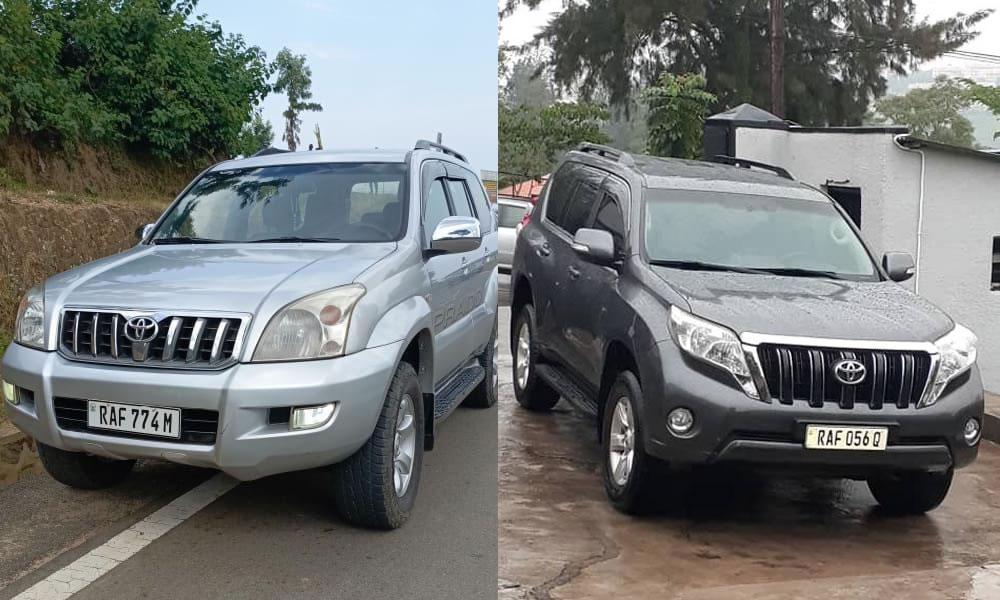
The Basics of Safari Vehicle Insurance Rwanda Rentals Include
Every vehicle on Rwandan roads must carry third-party motor insurance by law. This covers injury or damage you cause to other people and their property. It does not, on its own, pay for damage to the rental car itself.
For that reason, rental companies add extra protection on top. The names vary, but the ideas are similar everywhere. Understanding them helps you compare quotes fairly.
Third-party liability
This is the legal minimum. If you hit another car or a roadside stall, it covers the other party’s losses. Always confirm it is valid for the full rental period and every driver named on the contract.
Comprehensive cover
Comprehensive insurance also covers the rental vehicle against accidental damage, fire and theft. Most well-run safari fleets carry it. However, it almost always comes with an excess, which is explained below.
Collision damage waiver (CDW)
A CDW limits how much you pay if the car is damaged. Without it, you could be liable for the full repair bill. With it, your share is capped at the excess amount.
Understanding the Excess
The excess is the portion of any claim you pay yourself. For example, if repairs cost more than the excess, you pay up to that limit and the insurance covers the rest. If the damage costs less, you usually pay the actual repair cost.
Excess amounts differ between companies and vehicle types. A Land Cruiser costs more to repair than a RAV4, so its excess is often higher. Ask for the exact figure in writing before you pay a deposit.
Questions to ask about the excess
- How much is the excess for this specific vehicle?
- Is it charged per incident or per rental?
- Can I reduce it with an extra daily fee?
- Is the excess held as a deposit, and how is it refunded?
Common Exclusions on a Safari 4×4
Exclusions catch more travellers out than anything else. Even with comprehensive cover, certain damage or behaviour is usually not covered. Read this part of your contract slowly.
| Often excluded | Why it matters on safari |
|---|---|
| Tyres and windscreens | Gravel roads to Akagera and trailheads throw stones and cause punctures. |
| Underbody and water damage | Deep puddles and river crossings can damage engines and axles. |
| Off-road driving outside tracks | Leaving marked park roads is against park rules and voids cover. |
| Unlisted drivers | Anyone not named on the contract may not be insured. |
| Driving under the influence | Rwanda enforces strict drink-driving checks. |
| Lost keys and personal belongings | Your own gear needs travel insurance, not car insurance. |
So ask directly whether tyres and glass are included. On a gravel-heavy route, this single detail can make a real difference to your final bill.
Self-Drive Versus Chauffeur-Driven Cover
Your insurance position changes depending on who drives. With self-drive car hire, you take responsibility for the vehicle and any excess. Your licence details and age may also affect eligibility.
By contrast, when you book a vehicle with a professional driver, the company usually carries the driving risk. This is one reason some first-time visitors choose a driver-guided rental for longer trips on unfamiliar roads.
Licence requirements
For self-drive, bring your national licence and an International Driving Permit where needed. Keep both in the car, because police may ask to see them at checkpoints.
Safari Vehicle Insurance Rwanda Rules for Cross-Border Trips
Driving into Uganda, Tanzania, Kenya or the DRC needs extra paperwork. The key document is the COMESA Yellow Card, a regional third-party insurance scheme recognised across these countries. Without it, you may be turned back at the border or fined.
In addition, the rental company must authorise the trip and provide vehicle documents for customs. Remember that Uganda, Kenya and Tanzania drive on the left, unlike Rwanda. Our cross-border car hire page explains the process in more detail.
What to Do After an Accident or Breakdown
Staying calm and following a simple routine protects both you and your claim:
- Make sure everyone is safe and move out of danger if possible.
- Call the rental company’s support line straight away.
- Contact the Rwanda National Police; a police report is usually required for any claim.
- Take clear photos of the scene, all vehicles and number plates.
- Do not agree to pay cash or sign anything without speaking to the company.
For mechanical breakdowns, the company normally handles repairs or a replacement vehicle. Damage caused by misuse, however, may fall to you.
Check the car before and after
Photograph the vehicle from all sides at pickup, including the windscreen and tyres. Do the same at return. These photos settle most disputes about existing scratches quickly.
Frequently Asked Questions
Does my credit card cover rental damage in Rwanda?
Some cards offer rental cover, but many exclude 4x4s, safari vehicles or certain countries. Check your card terms before relying on it.
Am I covered if a buffalo damages the car in Akagera?
Wildlife damage is treated differently by different insurers. Ask before your trip, and always follow park speed limits and distance rules.
Is my camping gear covered by the vehicle insurance?
Personal belongings are usually excluded. Use travel insurance for cameras, phones and your own equipment.
Do I need the Yellow Card for a day trip to the Ugandan border?
If the vehicle crosses the border at all, yes. Arrange it with us in advance.
Get Clear Answers Before You Book
We are happy to send the insurance terms for your chosen vehicle before you commit. WhatsApp or call +250 725 074659, or email info@4x4carrentalrwanda.com, and ask any question about cover, excess or cross-border papers.