
A self-drive safari succeeds or fails long before you see your first zebra. Good safari vehicle preparation Rwanda style means a careful handover, a sensible packing plan and a few quick checks each morning. This guide walks you through all three, so your 4×4 is ready for tarmac, gravel and park tracks.
Safari Vehicle Preparation Rwanda Starts at Handover
The handover in Kigali is your best chance to spot problems. Don’t rush it, even if you are keen to hit the road. Set aside 30 to 45 minutes and go through the vehicle with our team.
Outside the vehicle
- Walk around and photograph every scratch or dent, with the date visible.
- Check all five tyres, including the spare, for tread and cuts.
- Test headlights, indicators, brake lights and hazard lights.
- Open and close the pop-up roof, if your Land Cruiser has one.
Inside the vehicle
- Find the jack, wheel spanner and warning triangles, and learn how they work.
- Ask how to engage four-wheel drive and low range.
- Check that seatbelts, air conditioning and phone chargers work.
- Note the fuel level and mileage on the rental form.
Paperwork to keep in the car
Carry your driving licence, International Driving Permit, passport copy and rental agreement. Keep the insurance papers in the glovebox. Police checkpoints are routine and polite, but they will ask for documents.
Matching the Vehicle to Your Route
Preparation also means choosing the right 4×4 in the first place. A car that suits Lake Kivu may struggle in northern Akagera after rain.
| Route | Road type | Suggested vehicle |
|---|---|---|
| Kigali – Musanze – Rubavu | Mostly paved | RAV4 or Prado |
| Akagera game drives | Gravel and dirt tracks | Land Cruiser Safari |
| Nyungwe Forest | Paved, winding mountain road | Any 4×4 in good condition |
| Camping loop | Mixed | Land Cruiser or Hilux with rooftop tent |
For realistic planning, allow 2 to 2.5 hours from Kigali to Musanze and about 2.5 hours to the Akagera gate. Nyungwe takes 5 to 6 hours, so it deserves a full travel day.
Crossing into Uganda?
If your safari continues to Bwindi or Queen Elizabeth, preparation changes. You need cross-border papers arranged before departure, and you will switch from driving on the right to driving on the left. Ask us for the documents at least a week ahead, and keep them with your passport rather than in the luggage.
Safari Vehicle Preparation Rwanda Checklist: What to Pack Inside
A well-packed car is calmer to drive. You find things quickly, nothing rattles, and heavy items stay low. Here is what experienced self-drivers keep on board.
Essentials
- At least two litres of drinking water per person per day.
- A basic first-aid kit and any personal medicines.
- A torch or headlamp, plus spare batteries.
- A car charger and a power bank for phones and cameras.
- Offline maps downloaded before you leave Wi-Fi.
Safari extras
- Binoculars for each passenger, if possible.
- A soft bag or beanbag to rest a camera lens on the window.
- Dust covers or zip bags for electronics.
- Snacks for long game drives, since park cafés are few.
How to load the vehicle
Put heavy bags low and towards the front of the boot. Keep a day bag within reach of the front seats. Also, never block the rear view with luggage piled high.
Five-Minute Morning Checks on the Road
Once you are travelling, a short routine each morning prevents most problems. It takes less time than breakfast coffee.
- Tyres: look for soft tyres or embedded stones.
- Underneath: check for drips of oil, coolant or fuel.
- Fluids: glance at the coolant and oil levels every couple of days.
- Lights: make sure they work before early starts or misty mountain roads.
- Fuel: refill when the tank drops near half, especially before parks.
Fuel stations are common along main roads. However, there is no fuel inside Akagera, and options thin out near remote trailheads. So fill up in Kayonza before Akagera and in Musanze before trekking day.
Preparing for Park Tracks and Rain
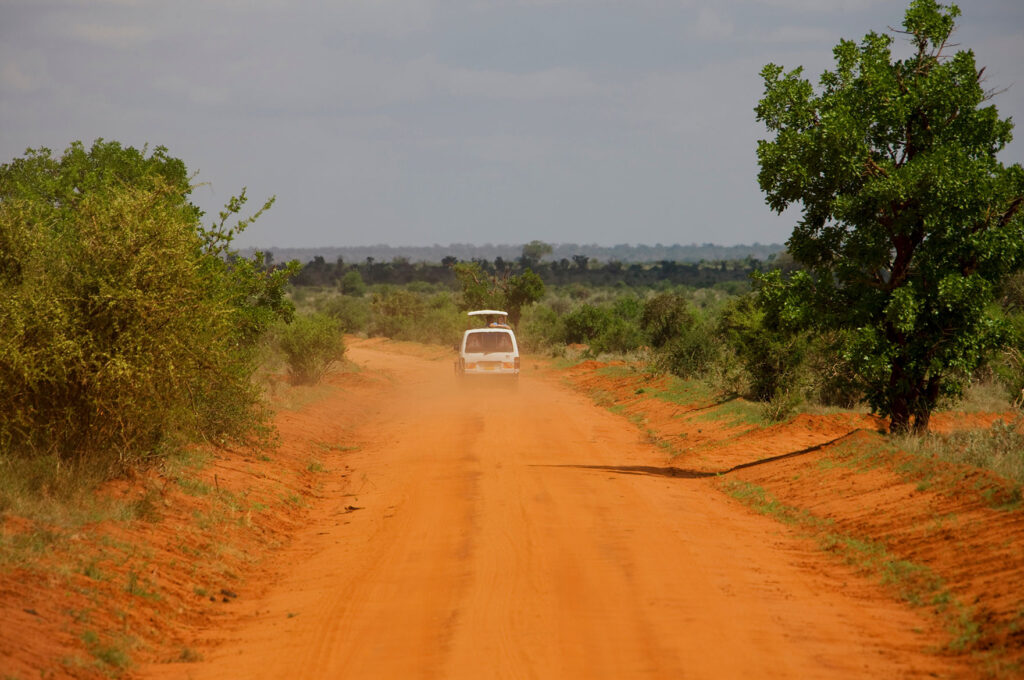
Rwanda’s highways are smooth, but park roads are a different story. Rain turns some tracks into slippery clay, especially in the wet months.
Before entering a park
- Engage four-wheel drive before you reach mud, not once you are stuck.
- Lower your speed and keep a steady throttle.
- Ask rangers at the gate which tracks are open and passable.
If something goes wrong
Stop somewhere safe and switch on your hazard lights. Then call us on the support number given at handover. We will talk you through simple fixes or arrange help. Don’t attempt major repairs yourself, as this can affect your rental cover.
For more on driving freely across the country, see our self-drive Rwanda page.
Camping Set-Ups Need Extra Prep
If you hire a 4×4 with a rooftop tent, practise opening and closing it in Kigali first. Doing it for the first time in the dark is no fun. Check the ladder, mattress and tent zips at handover.
Also, pack cooking gear so it doesn’t slide around. Our car rental with camping gear comes with a set list, so tick it off before you sign.
Lastly, plan your campsites in advance. Akagera has designated sites, and you can read about a boat trip on Lake Ihema to add to your stay.
FAQ
How long does the vehicle handover take?
Plan for 30 to 45 minutes. That covers the inspection, paperwork and a quick demonstration of the 4WD and camping gear.
Should I check tyre pressure myself?
Yes. Look at the tyres each morning and ask a fuel station to check pressures every few days, especially after rough tracks.
What if I find damage that wasn’t noted at handover?
Photograph it and message us straight away. Reporting early avoids confusion when you return the car.
Do I need to wash the car before returning it?
Normal safari dust is expected. However, remove rubbish and food so the next traveller gets a clean vehicle.
Ready to Prepare Your 4×4?
Tell us your route and dates, and we will match a vehicle and kit list to your plans. WhatsApp +250 725 074659 or email info@4x4carrentalrwanda.com. Browse the full car rental fleet to compare models.