
Good Rwanda travel planning starts with two questions: where do you want to go, and how will you get there? For many visitors, the answer to the second is a self-drive 4×4, because it lets you set your own pace between Kigali, the volcanoes, the savannah and Lake Kivu. This guide walks you through the route, the right vehicle and the paperwork, step by step.
Rwanda Travel Planning: Start With Your Route
Rwanda is small, but its roads are hilly and winding. So distances on a map look shorter than they drive. Plan around realistic times rather than kilometres, and you will avoid rushed days and night driving.
Kigali is the natural base. Most visitors land at Kigali International Airport, collect a vehicle, and spend a night in the city before heading out. If you prefer, you can arrange an airport pickup on arrival and collect your car the next morning.
Realistic drive times from Kigali
| Destination | Approx. drive | Main draw |
|---|---|---|
| Musanze / Volcanoes | 2–2.5 hours | Gorilla and golden monkey trekking |
| Akagera main gate | About 2.5 hours | Big game, Lake Ihema boat trip |
| Rubavu / Lake Kivu | 3–3.5 hours | Lakeside rest, boat cruises |
| Nyungwe Forest | 5–6 hours | Chimpanzees, canopy walk |
| Katuna border (Uganda) | About 1.5 hours | Gateway to Bwindi and beyond |
A popular loop runs Kigali – Akagera – Kigali – Musanze – Rubavu – Nyungwe – Kigali. Allow at least eight to ten days for it. Alternatively, pick two regions and give each of them more time.
Matching the Vehicle to Your Itinerary
The right car depends on where you go, how many of you travel, and how you want to sleep. Here is how the main self-drive options compare.
Toyota RAV4: city and tarmac trips
A Toyota RAV4 suits couples who mostly stay on tarmac. It handles Kigali’s hills, the roads to Musanze and Rubavu, and light park tracks well. It is also more economical on fuel than a full-size Land Cruiser.
Safari Land Cruiser: game drives and rough roads
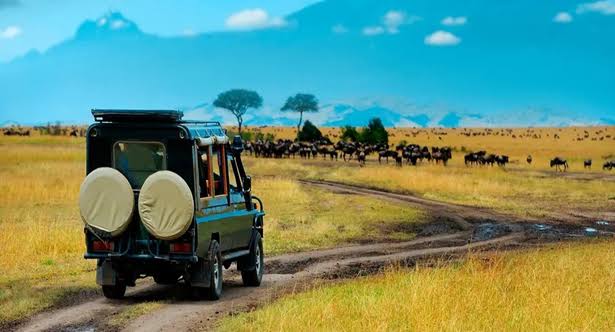
If Akagera or remote tracks are on the plan, choose a Land Cruiser with a pop-up roof. You stand up through the roof for clear wildlife viewing and photography. The high clearance and solid suspension also cope with muddy, rutted sections in the rainy season.
Land Cruiser TXL: comfort for long drives
The TXL (Prado-style) gives you leather seats, strong air conditioning and a smooth ride. It works well for families, business travellers and anyone combining lodge stays with long transfers to Nyungwe or the Uganda border.
Rooftop tent 4×4: sleep where you stop
A rooftop tent vehicle turns the car into your accommodation. The tent sits above the ground, with a foam mattress, mosquito netting and a waterproof flysheet. You only camp at authorised campsites, such as those in Akagera, so book those spots in advance.
Choosing Between Self-Drive and a Driver
Self-drive gives you privacy and flexibility. You stop for photos when you like, linger at a viewpoint, and reach eco-lodges on your own timetable. However, it also means you handle navigation, parking and park check-ins yourself.
A driver-guide makes sense if you are short on time or nervous about mountain roads. Many travellers mix the two: they drive themselves around Kigali and Lake Kivu, then take a car hire with driver for gorilla trekking day, when early starts matter most.
What self-drivers should know
- Rwanda drives on the right. Uganda, Kenya and Tanzania drive on the left.
- Bring your national licence; an International Driving Permit is strongly advised.
- Speed limits are enforced with cameras and police checks, so keep to them.
- Avoid driving after dark outside towns, as pedestrians and cyclists use the roads.
- Fuel up in larger towns before heading to parks.
Permits, Paperwork and Budget
Your vehicle is only part of the budget. Park activities often cost more than the car, so plan them early. For example, a Rwanda gorilla permit is US$1,500 per person and sells out in peak months. Other park and activity fees are set by RDB and change, so check current rates when you book.
Keeping costs under control
First, size the vehicle correctly; a RAV4 costs less to run than a Land Cruiser if you stay on tarmac. Next, travel in shoulder months when lodges are quieter. Also, longer rentals usually work out cheaper per day. Our budget car rental options explain how to trim costs without cutting safety.
Reading the rental agreement
Before you sign, check what insurance covers and what the excess is. Confirm mileage terms, the fuel policy and whether a second driver is allowed. Then take photos of the car at handover, including tyres and the spare. That simple habit avoids most damage disputes.
Building Activities Into Your Days
Once the route and car are set, slot in the experiences that make each region memorable. Keep travel days light so you are not driving tired.
- Kigali: visit the Kigali Genocide Memorial, then explore markets and craft shops on a city tour.
- Akagera: combine a self-drive game drive with a boat trip on Lake Ihema for hippos and birds. See our Akagera National Park guide for routes inside the park.
- Musanze: trek gorillas, then visit a cultural village such as Ibyiwacu. If your dates fall in September, ask about the Kwita Izina naming ceremony.
- Lake Kivu: take a boat cruise from Rubavu or Karongi and rest after mountain driving.
- Nyungwe: track chimpanzees and walk the canopy bridge high above the forest.
For timing these activities around the seasons, this guide to the best time for gorilla trekking is a helpful read.
Special Cases: Families, Borders and One-Way Trips
Travelling with children
Ask for child seats when you book, and confirm they fit the vehicle you choose. A larger 4×4 gives room for luggage, snacks and naps on long drives.
Crossing into Uganda or beyond
You need written authorisation and cross-border documents from the rental company. Allow time at the border, and remember to switch to driving on the left in Uganda. Our cross-border car hire page lists what to prepare.
One-way rentals
If you fly out of another city, ask about one-way drop-off. It saves backtracking, though it may add a repositioning fee.
FAQ: Planning a Self-Drive Trip in Rwanda
How many days do I need for a self-drive circuit of Rwanda?
Eight to ten days covers Akagera, Volcanoes, Lake Kivu and Nyungwe at a relaxed pace. With five days, focus on two regions instead.
Do I need a 4×4, or will a saloon car do?
Main roads are paved, so a smaller car can manage them. However, park tracks and rainy-season detours are far easier in a 4×4 with good clearance.
Can I camp with a rooftop tent anywhere?
No. Use authorised campsites and lodges that allow camping. Wild camping by the roadside is not recommended or permitted in most areas.
When should I book the car and permits?
Secure gorilla permits first, then book the vehicle around those dates. In June to September, book several months ahead.
Ready to Plan Your Route?
Send us your dates, group size and the places you want to see. We will suggest a vehicle and a realistic route. Message us on WhatsApp at +250 725 074659 or email info@4x4carrentalrwanda.com.