
Driving a Rwandan rental car into Uganda or Tanzania is very doable, but it rewards careful preparation. Good cross border safari trip planning means sorting paperwork, insurance and timing weeks before you reach the barrier. This guide gives you a planning timeline, the main border posts, and a step-by-step walk through the crossing itself.
Cross Border Safari Trip Planning: A Timeline
Border trips involve more moving parts than a Rwanda-only holiday. Working backwards from your travel date keeps everything on track.
Three months or more before
- Decide which countries and parks you will visit, and in what order.
- Book gorilla permits in Rwanda or Uganda; they sell out first in peak season.
- Tell the rental company your full route, including every border you plan to cross.
Six to eight weeks before
- Apply for visas, or the East Africa Tourist Visa if you are visiting Rwanda, Uganda and Kenya.
- Check your passport has at least six months’ validity and blank pages.
- Confirm your yellow fever vaccination certificate is up to date.
Two weeks before
- Send driver licence and passport copies to the rental company.
- Confirm the vehicle’s cross-border documents are being prepared.
- Download offline maps for every country on your route.
The Paperwork Pack for You and the Car
Keep everything in one waterproof folder on the front seat. Border officials may ask for any of these.
| Document | Who provides it |
|---|---|
| Owner’s authorisation letter for cross-border use | Rental company |
| Copy of the vehicle registration | Rental company |
| COMESA Yellow Card insurance for each country | Arranged with the rental company |
| Temporary import permit for the vehicle | Issued at the border |
| Passport, visa and yellow fever card | You |
| Driving licence and International Driving Permit | You |
Make two photocopies of everything and keep digital copies on your phone. Fees for permits, road levies and insurance vary by country and change, so confirm the current totals in your quote.
Main Border Posts from Rwanda
Choosing the right crossing saves hours of driving. Here are the posts most safari travellers use:
- Gatuna / Katuna (Uganda): about 1.5 hours from Kigali. The busiest crossing, best for Lake Bunyonyi, Kabale and Queen Elizabeth National Park.
- Cyanika (Uganda): near Musanze. The quickest route to Mgahinga and the southern sectors of Bwindi.
- Kagitumba (Uganda): in the north-east, near Akagera. Useful for heading to Lake Mburo or Kampala from the park.
- Rusumo (Tanzania): in the east. The gateway to north-western Tanzania and the long road towards the Serengeti.
Crossings into the DRC and Burundi exist, but rules for rental vehicles differ. Always check with us first before planning these routes.
Step by Step: Crossing the Border
Most crossings follow the same pattern, and a one-stop border post can make it faster. Allow one to two hours, more on busy days.
- Exit immigration: get your passport stamped out of Rwanda.
- Exit customs: show the vehicle papers so the car is recorded as leaving.
- Entry immigration: present your visa or apply for one, if eligible on arrival.
- Entry customs: obtain the temporary import permit and pay any road fees.
- Insurance check: show your COMESA Yellow Card.
Ignore unofficial “helpers” offering to speed things up. Go straight to the official windows, and ask for receipts for every payment. Also, arrive early in the day; borders get busier as trucks build up.
Driving on the Other Side
Rwanda drives on the right, but Uganda, Kenya and Tanzania drive on the left. This switch catches many people out in the first hour.
- Pull over after the border and remind everyone in the car of the change.
- Take roundabouts slowly; in left-hand countries you go round clockwise.
- Be extra careful when overtaking, as your view of oncoming traffic changes.
- Watch for speed limits and police checkpoints, which are common in Uganda.
If the switch makes you nervous, a driver for the foreign section is a good option. See car hire with driver for details.
Money, Fuel and Phones Across Borders
Each country has its own currency. Carry some US dollars in newer notes for fees, plus a little local cash for food and fuel. ATMs are common in towns but scarce near parks.
Fuel stations are frequent on main highways. However, fill up before remote parks such as Bwindi, where stations are few. A local SIM card in each country makes navigation and emergency calls much easier.
Costs to Include in Cross Border Safari Trip Planning
Border trips cost more than the daily rental rate alone. Build these items into your budget from the start, so nothing catches you out:
- A cross-border fee or surcharge from the rental company
- COMESA insurance for each country on the route
- Road levies and temporary import permits at each border
- Visas for every person in the car
- Extra fuel for longer distances
- Driver accommodation and meals, if you travel with a driver
Ask for these items to be listed separately in your quote. That way, you can compare routes fairly and see exactly what each extra country adds.
Choosing a Vehicle for Cross-Border Safaris
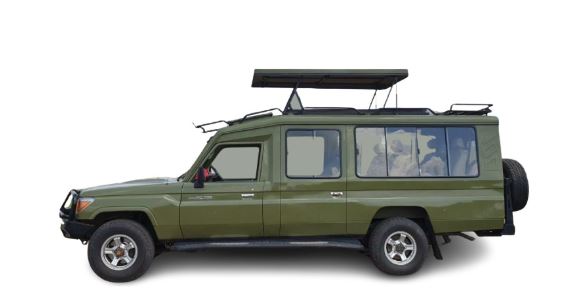
Long distances and mixed roads call for a sturdy, comfortable 4×4. A Land Cruiser Safari handles gorilla-country hills and game drives alike. A Prado suits couples who want comfort on long highway stretches. Before booking, confirm that the exact vehicle is cleared for every country on your route.
For more on routes and pricing, visit our cross-border car hire page. If you want a ready-made plan, the 15 days Uganda and Rwanda safari covers both countries in one loop.
Frequently Asked Questions
How far ahead should I tell the rental company about a border crossing?
At least two weeks, and ideally when you first book. The authorisation and insurance take time to arrange.
Can I add a country after my trip has started?
Possibly, but it is not always quick. Contact the team as early as possible, since documents may need updating before you reach the border.
What happens if I have an accident in Uganda?
Call local police and the rental team straight away. Your COMESA Yellow Card covers third-party liability in member countries, so keep it handy.
Do I need to return the car to Kigali?
Usually yes. One-way returns in another country may be possible at an extra cost, so ask when you request your quote.
Plan Your Border Crossing with Us
Share your route and dates, and we will prepare the vehicle papers and quote all cross-border costs. WhatsApp or call +250 725 074659, or email info@4x4carrentalrwanda.com.