
Nyungwe is Rwanda’s great rainforest: misty ridges, chimpanzees, waterfalls and tea estates on its edge. Getting the most from it, while treading lightly, depends a lot on how you travel. This guide to Nyungwe eco tourism car rental covers the route from Kigali, where to base yourself, which activities need a vehicle, and simple ways to keep your trip low-impact.
Why Nyungwe Eco Tourism Car Rental Makes Sense
Nyungwe sits in Rwanda’s far south-west, about 5–6 hours’ drive from Kigali. Public buses pass through on the main road, but they don’t reach lodges, trailheads or tea estates. As a result, independent visitors without a car spend a lot of time waiting for rides.
With your own vehicle, you can arrive at trailheads before dawn, when chimp treks start. You can also visit community projects and viewpoints that tour buses skip. And because you set the pace, you can choose quieter times and spread your spending across small local businesses.
The Drive from Kigali to Nyungwe
The route is paved all the way, heading south through Muhanga, Nyanza and Huye, then west into the forest. It is a beautiful drive, but it is long, so leave Kigali early.
Good stops on the way
- Nyanza: the King’s Palace Museum, with a reconstructed royal hut and long-horned Inyambo cattle.
- Huye: the Ethnographic Museum, one of the best in East Africa, plus cafés for lunch.
- Kitabi area: your first view of tea plantations as you approach the eastern edge of the forest.
Breaking the trip like this turns a long transfer into a cultural day. If you prefer, you can also stay a night in Huye and reach Nyungwe fresh the next morning.
Driving through the forest
The main road crosses Nyungwe for roughly 50 kilometres. Expect tight bends, steep sections and sudden mist. Monkeys and baboons often sit on the tarmac, so drive slowly and never feed them. Also, there are few fuel stations inside the forest, so fill up in Huye or Rusizi.
Where to Base Yourself
Your base decides how much driving you do each day. Choose it based on the activities you want.
| Base | Best for |
|---|---|
| Gisakura (west side) | Tea estate walks, Cyamudongo chimp trekking, lodges with forest views |
| Uwinka (centre) | The canopy walkway and main hiking trails |
| Kitabi (east side) | Campsites, early arrival from Kigali, eastern trails |
Campers can bring a 4×4 with a rooftop tent and use the official campsites. Our car rental with camping gear includes the kit you need for a night or two in the forest. Always camp only where permitted.
Eco Activities and the Driving They Involve
Most Nyungwe experiences are on foot with park guides. However, a car gets you to the starting points, some of which are on rough side roads.
Chimpanzee trekking
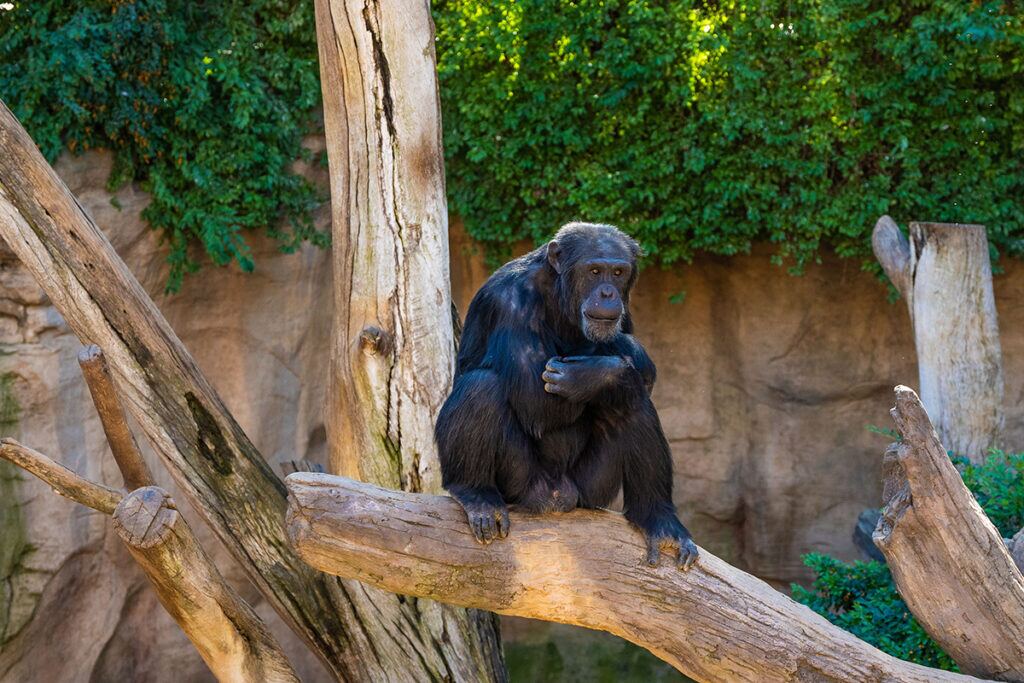
Treks start very early, often before sunrise. Some groups track chimps in the main forest, others at Cyamudongo, a separate forest patch reached by a bumpy dirt road. A 4×4 is the right choice for Cyamudongo, especially after rain.
Canopy walkway
The suspension bridge near Uwinka hangs high above a forested valley. It is reached by a short hike from the visitor area, right off the main road.
Hiking and waterfalls
Nyungwe has a network of marked trails, from short loops to full-day hikes. The Isumo waterfall trail is a favourite. Ask at the visitor centre which trails are open, as conditions change with the weather.
Birding and primates
Nyungwe is home to hundreds of bird species and over a dozen types of primates. Birders often drive slowly along the main road at dawn, stopping at safe lay-bys.
Tea estates
Around Gisakura, you can walk through tea fields and learn how the leaves are picked and processed. Many visitors pair this with a chimp trek on the same day.
Permits and activity fees are set by the park authorities and change, so check current rates before you go. For more detail, see our Nyungwe National Park guide.
Travelling Lightly in the Rainforest
Eco tourism is about leaving the forest better for your visit. These habits make a real difference:
- Drive smoothly. Steady speeds use less fuel and reduce noise for wildlife along the road.
- Carry your rubbish out. Keep a bag in the car and empty it in town, not in the forest.
- Refill water bottles. Ask lodges to refill a reusable bottle instead of buying plastic.
- Hire local guides. Community guides and porters earn directly from your visit.
- Buy local. Tea, crafts and honey from nearby cooperatives support families who live beside the park.
- Share the vehicle. Travelling as a group in one 4×4 cuts emissions per person.
Picking a Vehicle for Nyungwe Eco Tourism Car Rental
If you stay on the main road and lodges near it, a Toyota RAV4 is economical and comfortable. For Cyamudongo, camping or rainy-season travel, choose a Land Cruiser or Prado with proper ground clearance.
Also think about luggage. Rain gear, hiking boots and camera bags take space, and wet kit needs somewhere to dry. A larger 4×4 keeps muddy boots in the boot and passengers comfortable on the long ride home.
Not keen on the long drive? A car hire with a driver lets you watch the forest instead of the bends. For a full itinerary combining Nyungwe with gorillas, see our 5 days budget chimps and gorillas trip.
Frequently Asked Questions
How many days should I spend in Nyungwe?
Two nights is ideal. That gives you one full day for chimps and tea, and another for the canopy walk or a long hike.
When is the best time to visit Nyungwe?
The drier months, June to September and December to February, make trails easier. Still, it is a rainforest, so pack a rain jacket in any season.
Can I continue from Nyungwe to Lake Kivu?
Yes. Rusizi, at the southern tip of Lake Kivu, is a short drive west. From there, a scenic lakeside road leads north towards Karongi and Rubavu.
Is the road through Nyungwe safe at night?
Avoid it after dark. Fog, sharp bends and animals on the road make night driving risky, so plan to reach your lodge before sunset.
Plan Your Rainforest Trip
Tell us your dates and which side of the forest you plan to stay on, and we will suggest the right vehicle. WhatsApp or call +250 725 074659, or email info@4x4carrentalrwanda.com.