
Imagine waking up above the savannah in Akagera, or making coffee with a view over Lake Kivu. Rwanda campervan rentals make that possible by combining a tough 4×4 with a rooftop tent and a full camping kit. You carry your bed, kitchen and transport in one vehicle, so you travel on your own schedule.
This guide explains how a self-contained 4×4 camper works, which vehicles to choose, where to go and how to book. For questions, message us on WhatsApp at +250 725 074659.
What Are Rwanda Campervan Rentals?
In Rwanda, a “campervan” is usually not a big motorhome. Instead, it is a 4×4 such as a Land Cruiser fitted with a rooftop tent and camping gear. This makes sense, because many park roads are steep, rocky or muddy, and a heavy motorhome would struggle.
The setup gives you real independence. You do not need to book a lodge every night, and you can change plans on the go. As a result, self-contained camping is growing fast among independent travellers and local adventurers.
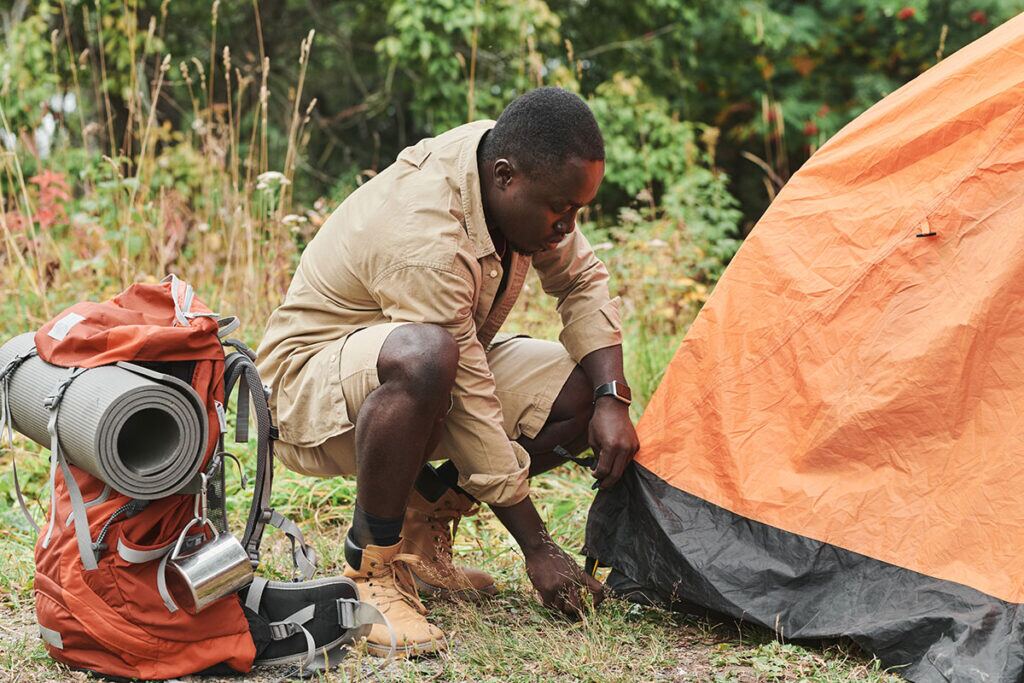
Why a Rooftop Tent 4×4 Works So Well
The rooftop tent is the heart of the setup. It unfolds in minutes, so you spend less time pitching camp and more time exploring. Also, sleeping off the ground keeps you away from damp, insects and curious animals.
- Quick setup: open the tent, pull down the ladder and you are done.
- Better views and airflow: you sleep above the grass with windows on several sides.
- Safety: the raised position adds a layer of security in the bush.
- Flat bed: a built-in mattress means no hunting for level ground.
What a self-contained kit can include
Kits vary, so confirm the exact list when you book. A typical package includes:
- Cooking stove, pots, pans and utensils.
- A fridge or cooler box for food and drinks.
- Water storage containers.
- Camping table and chairs.
- Bedding for the rooftop tent.
Some setups also include basic shower or toilet facilities. These are handy on long or remote trips, so ask us what is available for your dates. See our car rental with camping gear page for current options.
Best Vehicles for Rwanda Campervan Rentals
A rooftop tent and a full kit add weight. Therefore, the base vehicle needs a strong chassis, good clearance and proven reliability. Every vehicle is serviced before each trip, because it is your transport and your home.
| Vehicle | Strengths | Ideal for |
|---|---|---|
| Land Cruiser TXL / Safari | Rugged, high clearance, roomy cabin | Long trips and rough park roads |
| Land Cruiser Prado | Comfortable and capable, easier in town | Couples mixing camping and lodges |
| Toyota Hilux Double Cab | Load bed for extra gear | Groups carrying lots of equipment |
The TXL Land Cruiser is our most popular camping base. Its cabin stays comfortable on long drives, and its suspension copes with heavy loads on bumpy tracks.
Where to Camp: Routes and Destinations
Rwanda is compact, so a one- or two-week loop covers a lot. Here are the main stops with realistic drive times from Kigali.
Akagera National Park (about 2.5 hours)
Akagera is Rwanda’s savannah park and the classic camping trip. Lions, elephants, giraffes and rhinos roam here. Use the park’s designated campsites, and check entry and camping fees with the park, as they change. Read more on our Akagera National Park page.
Lake Kivu (3–3.5 hours to Rubavu)
The lake shore is perfect for slow days. From Rubavu, you can follow the lake south toward Karongi and Rusizi. Some lakeside lodges allow camping, so ask before you set up.
Volcanoes National Park (2–2.5 hours)
Musanze is the base for gorilla trekking. Permits cost US$1,500 and are issued by RDB, so book well ahead. For timing, see this guide on the best time to trek gorillas. Nights get cold at altitude, so pack warm layers.
Nyungwe Forest (5–6 hours)
Nyungwe is a longer drive through tea plantations and misty hills. Camp nearby and spend a day on the canopy walk or chimpanzee tracking. Expect rain at almost any time of year.
A sample 7-day camping loop
- Day 1: Collect your camper in Kigali and drive to Akagera. Set up camp before sunset.
- Day 2: Full day of game drives, plus a boat trip on Lake Ihema.
- Day 3: Drive back through Kigali and on to Musanze for the night.
- Day 4: Gorilla trekking in Volcanoes National Park.
- Day 5: Head west to Rubavu and relax on Lake Kivu.
- Day 6: Follow the lake south toward Karongi, then camp by the water.
- Day 7: Drive back to Kigali and return the vehicle.
Add two or three days if you want to include Nyungwe. Also, keep at least one rest day in a longer trip, because Rwanda’s winding roads can be tiring.
Camping vs Lodges: Which Suits You?
Both styles have their place, and many travellers combine them. Camping gives you freedom, closeness to nature and lower accommodation costs. Lodges, however, offer hot showers, cooked meals and a proper bed after a long trek.
A good rule is to camp where nature is the highlight, such as Akagera or the lake shore. Then book a lodge where early starts matter, like the night before gorilla trekking. That way, you enjoy the best of both without getting worn out.
Logistics: Pickup, One-Way Trips and Borders
Most trips start in Kigali. We can deliver your camper to your hotel or meet you at Kigali International Airport. At handover, we show you how to open and close the tent and use the kit.
One-way hire
If you want to finish somewhere else, we offer one-way rentals to agreed towns or border posts. This saves backtracking. An extra fee usually applies, so ask for it in your quote.
Cross-border camping
You can also take the vehicle into Uganda, Tanzania, Kenya or the DRC with notice. We prepare the documents and confirm insurance. Remember that Rwanda drives on the right, while Uganda, Kenya and Tanzania drive on the left.
Tips for a Smooth Camping Trip
- Book early for June–September and December–February, when demand peaks.
- Practise the setup once in daylight before your first night.
- Arrive at camp before dark, because night driving on rural roads is risky.
- Stock up in towns. Buy food, water and fuel in Kigali, Musanze or Rubavu.
- Pack warm layers and rain gear, as highland nights are cool and wet.
- Use official campsites or ask permission before camping on private land.
- Leave no trace. Carry out your rubbish and keep fires small and safe.
Finally, read the rental agreement before you sign. Check the insurance excess, mileage rules and what happens if the tent is damaged.
Frequently Asked Questions
Is camping in Rwanda safe?
Yes, especially at official campsites and in national parks with rangers. Lock valuables in the car and follow park rules.
Do I need camping experience?
No. A rooftop tent is easy to use, and we show you everything at handover. Many first-time campers enjoy it.
Can I mix camping with hotel nights?
Absolutely. Many travellers camp in Akagera and then book a lodge near Volcanoes or Lake Kivu.
Can I drive myself or hire a driver?
Both work. Most campers self-drive, but a driver is available. Learn more about self drive in Rwanda.
Book Your Self-Contained 4×4
Ready to hit the road with your bed on the roof? Tell us your dates, route and group size, and we will suggest the right setup. Message us on WhatsApp at +250 725 074659 or email info@4x4carrentalrwanda.com to reserve one of our Rwanda campervan rentals.