
If you are renting a car for a self-drive trip, fuel is the one cost you control day by day. Fuel prices in Rwanda are set centrally and reviewed regularly, so the figure you budgeted at home may shift before you land. This guide explains who sets the price, what moves it, and how to estimate your own fuel bill for a road trip.
Who sets fuel prices in Rwanda?
Pump prices in Rwanda are not left to each station. Instead, the Rwanda Utilities Regulatory Authority (RURA) sets maximum prices for petrol and diesel. It reviews them roughly every two months and publishes the new figures in an official notice.
As a result, prices are the same at every station in a region, whether you fill up in Kigali or Musanze. That makes budgeting easier than in countries where prices vary from pump to pump. However, it also means a review can land in the middle of your trip.
Recent price changes: an example
A look at one review shows how prices move. In an August revision, RURA cut petrol from RWF 1,663 to RWF 1,629 per litre, a drop of about 2%. Diesel stayed at RWF 1,625 per litre. RURA said the change followed international petroleum prices.
Later reviews moved prices again, both up and down. That pattern is normal. So treat any figure you read online, including this one, as a guide only. Before your trip, check RURA’s latest announcement or simply ask us for the current pump price.
Petrol or diesel: which does your rental use?
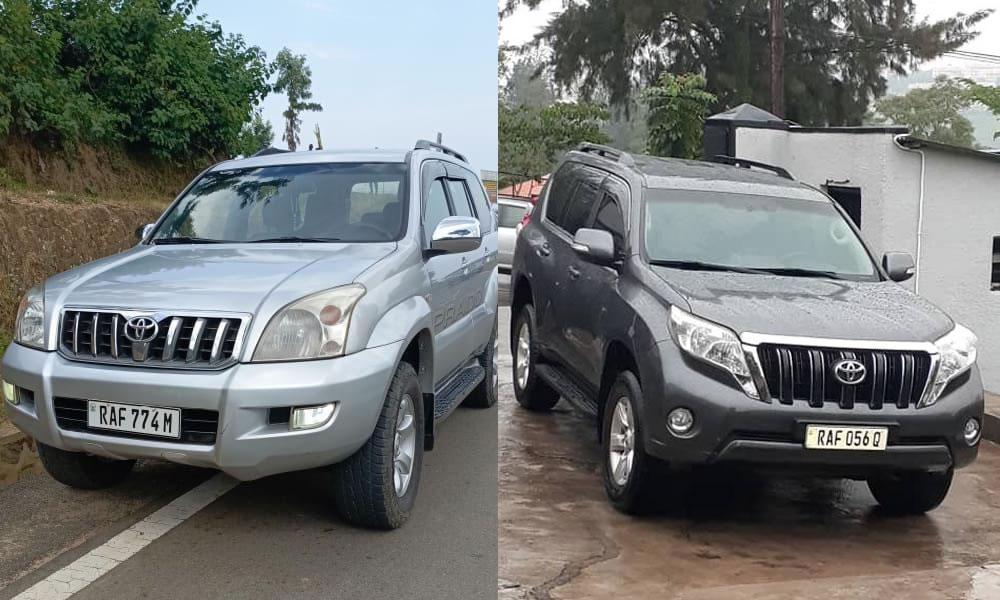
Most safari 4x4s in Rwanda, including Land Cruisers and Hilux pickups, run on diesel. Some RAV4s and smaller cars run on petrol. Ask which fuel your vehicle takes at pickup, and check the label inside the fuel flap. Putting the wrong fuel in a tank is an expensive mistake.
What makes fuel prices in Rwanda go up or down
Rwanda imports all its petroleum products, mostly by road from ports in Kenya and Tanzania. So both global and regional factors feed into the pump price.
- Crude oil prices. This is the main driver. When world crude prices rise, pump prices usually follow.
- Global demand and supply. Imbalances in world markets push prices up or down.
- Geopolitical events. Conflicts and sanctions can disrupt production and shipping.
- Exchange rates. Fuel is bought in US dollars, so a weaker franc makes imports dearer.
- Taxes and levies. As an EAC member, Rwanda applies the Common External Tariff to imported goods, including fuel.
- Transport and distribution. Trucking fuel inland from the coast adds real cost.
- Regulatory policy. Price caps or temporary subsidies can soften big swings.
- Weather and disasters. Storms or floods along supply routes can slow deliveries.
How to estimate your fuel budget for a road trip
You don’t need exact figures to plan well. A simple formula gets you close:
Distance (km) ÷ 100 × litres per 100 km × price per litre = fuel cost.
Typical consumption by vehicle
Consumption depends on load, driving style and terrain, so ask us for your car’s figure. As a rough guide, a compact SUV such as a Toyota RAV4 uses less than a full-size Land Cruiser. Hilly roads and park tracks also raise consumption compared with flat highway driving.
Approximate road distances from Kigali
| Route | Approx. distance one way | Drive time |
|---|---|---|
| Kigali to Musanze (Volcanoes) | About 95 km | 2–2.5 hours |
| Kigali to Akagera gate | About 110 km | About 2.5 hours |
| Kigali to Rubavu (Lake Kivu) | About 155 km | 3–3.5 hours |
| Kigali to Nyungwe | About 225 km | 5–6 hours |
Remember to add the game-drive kilometres inside Akagera, which can be significant. Then add a 15–20% buffer for detours and price changes.
A worked example
Say you plan a round trip from Kigali to Musanze, about 190 km in total, plus 40 km of local driving. That makes roughly 230 km. Next, multiply by your car’s consumption per kilometre, then by the current price per litre. For instance, if your car used 12 litres per 100 km, you would need about 28 litres. At the August diesel price of RWF 1,625, that comes to roughly RWF 45,000. Swap in your own car’s figure and the latest price for an accurate number.
Driving habits that save fuel
Rwanda’s hills make smooth driving pay off. Accelerate gently, use engine braking on descents and keep the speed steady. Also avoid long idling with the air conditioning on, and don’t carry heavy gear you won’t use.
Fuel tips for self-drive renters
Fuel is easy to find on main roads, but stations thin out near parks. These habits keep you moving:
- Fill up in towns. Refuel in Kigali, Musanze, Rubavu, Huye or Kayonza before heading into a park.
- Never drop below a quarter tank on rural roads or before a long game drive.
- Keep receipts. They help if there is any question about fuel at return.
- Know the return policy. Most rentals are same-level return; a refuelling charge may apply otherwise.
- Pay the way that suits you. Most stations take cash and mobile money, and many take cards.
For a full self-drive checklist, read our self drive Rwanda guide. If you would rather not think about fuel stops at all, car hire with a driver puts that job on someone who knows every station on the route.
Fuel and cross-border trips
Prices differ across the border in Uganda, Tanzania and Kenya. Sometimes it is cheaper to fill up on one side than the other. Ask us about current differences when you plan a cross-border car hire trip.
FAQ
Is fuel included in the car rental price?
Usually not on self-drive. With a chauffeur package it sometimes is, so confirm in your quote.
Do fuel stations in Rwanda open at night?
Many in Kigali and larger towns open late. In rural areas, plan to refuel during the day.
Where can I find the official current price?
RURA publishes each review on its website and social media. We can also tell you the latest figure.
Is diesel cheaper than petrol in Rwanda?
The two are often close. In the August review above, diesel was slightly cheaper.
Plan your fuel and route with us
Tell us your route and vehicle, and we will help you estimate fuel costs. WhatsApp or call +250 725 074659, or email info@4x4carrentalrwanda.com.