
For a photographer or film crew, the vehicle is part of the kit. Its roof becomes your shooting platform, its cabin your equipment store and its driver your spotter. This guide to Rwanda photography car rental explains how to choose a roof setup, carry gear safely and plan shoots around park rules.
Why the Roof Matters for Wildlife and Landscape Work
Most safari images in Rwanda are taken from inside a vehicle. In Akagera, you must stay in the car except at approved points, so the roof is your only elevated position. A good roof setup gives you height, a stable rest for long lenses and a 360-degree view.
Pop-up roof versus open hatch
| Roof type | Strengths | Limits |
|---|---|---|
| Pop-up roof (Land Cruiser safari) | Full standing height, shade, room for two or three shooters | Slightly more wind noise for audio |
| Sunroof or small hatch | Quick to open, fine for one stills photographer | Cramped for video rigs and tripods |
| Open windows only | Low angle, eye level with animals | Limited view and no standing room |
For most crews, a Land Cruiser Safari with a pop-up roof is the default choice. It gives shooters room to stand while the cabin stays shaded for batteries and cards.
Building a Rwanda Photography Car Rental Setup for Your Crew
Crew size and kit volume decide how many vehicles you need. A solo photographer can work from one safari vehicle. A documentary team, however, often needs two.
- Solo or pair of photographers: one Land Cruiser safari with a driver-guide.
- Small film crew (3–4): one safari vehicle for shooting, plus a second vehicle for gear and sound.
- Larger production: add a Hilux Double Cab for cases, stands and lighting.
Keep the shooting vehicle as light and tidy as possible. A cluttered cabin slows you down when a leopard or a shoebill appears for only a few seconds.
Protecting Camera Gear on the Road
Rwanda’s hills mean constant bends, and park tracks add dust and vibration. So pack equipment as if it were flying in the hold.
- Use padded hard cases strapped down in the rear, never loose on seats.
- Seal bodies and lenses in dust bags during gravel drives.
- Bring a blower, lens cloths and spare sensor swabs.
- Carry silica packs, because humidity in Nyungwe can fog lenses.
- Bring your own beanbags; they are the best lens support on a roof edge.
Power on the move
Charging is the question every crew asks. Ask whether your vehicle has USB ports or an inverter, and confirm the details in your quote. In any case, bring enough batteries for a full day and charge them overnight at your lodge.
Permits for Filming, Photography and Drones
Personal holiday photos need no special paperwork. Commercial filming and professional photography in national parks, however, usually require a filming permit from RDB. Fees and conditions are set by RDB and change, so apply well before your shoot.
Drones need extra care. Flying one in Rwanda requires authorisation from the civil aviation authority, and parks have their own restrictions. Never launch a drone in a park without written permission.
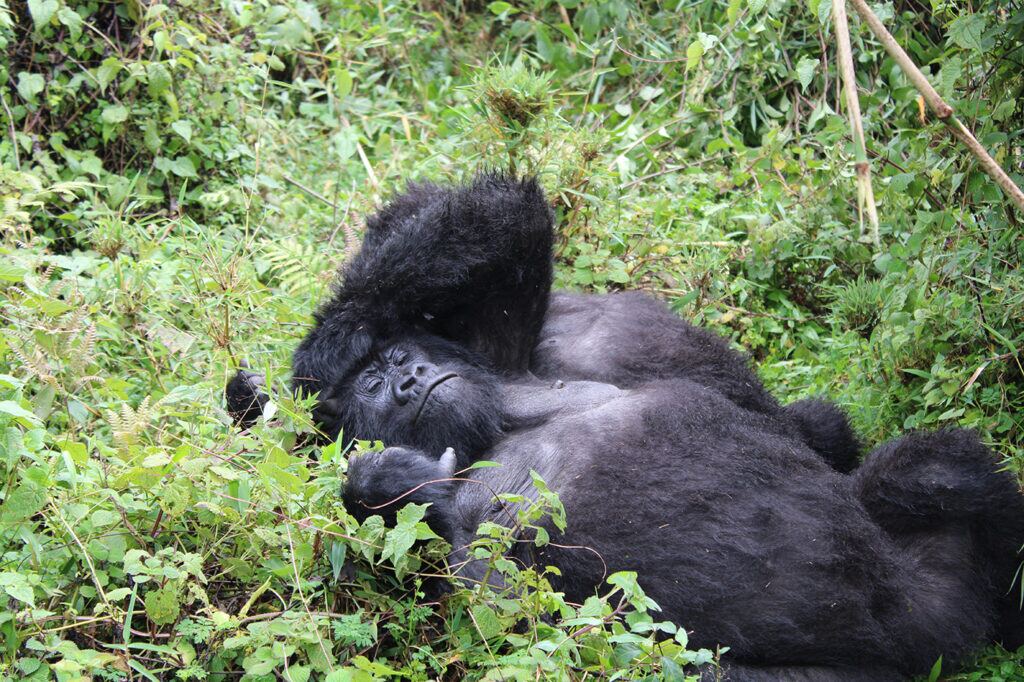
For gorilla shoots, the standard Rwanda gorilla permit costs US$1,500 per person. Time with the gorillas is limited to about one hour, and flash photography is not allowed. So plan your settings and lens choices before the trek starts.
Planning Shoots Around Light and Park Hours
The best light in Rwanda comes early and late, and both fall close to park opening and closing times. As a result, where you sleep matters as much as what you drive.
Location tips
- Akagera: stay inside or right by the park so you reach the lakes at first light. The gate is about 2.5 hours from Kigali.
- Volcanoes: stay near Kinigi for an early trek briefing. Musanze is 2 to 2.5 hours from Kigali.
- Nyungwe: mist in the forest makes beautiful images, but light is low. Bring fast lenses. The drive from Kigali takes 5 to 6 hours.
- Lake Kivu: sunsets over the water from Rubavu or Karongi are excellent for landscape work.
Why a Driver-Guide Helps Photographers
Self-drive is possible, but most professionals prefer a driver-guide. While you watch the viewfinder, he watches the road and the bush. He also positions the vehicle for light and background, and switches off the engine to stop vibration. Over several days, a good driver-guide also learns where particular animals tend to appear, which saves you hours of searching.
Brief your driver each morning on the shots you need. For example, say whether you want low angles, backlit silhouettes or wide landscapes. Our car hire with driver service can match you with a driver used to working with photographers.
Budgeting a Rwanda Photography Car Rental
Media shoots often run longer than tourist trips, so ask about weekly or longer rates. Also, include fuel for repositioning between locations, since crews tend to drive more than tourists. Finally, budget for filming permits and park fees, which RDB sets separately from vehicle hire.
Questions to settle before you sign
- Is the driver-guide’s time covered for early starts and late returns?
- Who pays for the driver’s meals and lodging on multi-day shoots?
- What insurance applies if gear is damaged inside the vehicle?
- Can a replacement vehicle reach you quickly if one breaks down mid-shoot?
Clear answers protect your schedule as much as your budget. A lost morning of golden light usually costs a production far more than a slightly higher daily rate.
FAQ
Which vehicle is best for a photo safari in Rwanda?
A Land Cruiser safari with a pop-up roof suits most wildlife and landscape work. Add a second vehicle for large gear loads.
Do I need a permit to film in Rwanda’s national parks?
Commercial filming and professional photography generally need an RDB filming permit. Apply early and check current conditions.
Can I fly a drone over Akagera or Volcanoes?
Only with written authorisation from the aviation authority and the park. Do not fly without it.
Can the vehicle stop for long periods during a shoot?
Yes. Agree your shooting style with your driver-guide, and he will position and hold the vehicle for you.
Plan Your Shoot With Us
Tell us your crew size, gear volume, locations and dates, and we will suggest the right vehicles and roof setup. WhatsApp or call +250 725 074659, or email info@4x4carrentalrwanda.com.