
Fieldwork lives or dies on transport. If your team cannot reach a plot after rain, or your instruments rattle loose on a murram track, the data suffers. This guide to Rwanda research car rental explains how ecologists, geologists, public-health teams and social scientists choose, equip and manage vehicles for projects across the country.
It is written for principal investigators, field coordinators and university logistics staff planning anything from a two-week survey to a season-long study.
What Field Research Asks of a Vehicle
A tourist drives a set route and returns to a lodge. A field team, by contrast, may visit the same remote site every day for weeks. The vehicle therefore takes far more wear, and a breakdown costs you lost sampling days, not just a late lunch.
Typical demands
- Daily driving on gravel, mud and steep rural tracks.
- Secure space for instruments, cool boxes and sample cases.
- Seats for a mixed team of researchers, assistants and local guides.
- Early starts and late returns, sometimes in heavy rain.
- Long gaps between fuel stations and workshops.
Rwanda’s main highways are in good shape. However, the roads to study sites on the edges of Nyungwe, Volcanoes, Gishwati or Akagera are often unpaved and change with the seasons.
Choosing a Rwanda Research Car Rental by Project Type
There is no single best research vehicle. Instead, match the model to your discipline, team size and terrain.
| Project | Suggested vehicle | Why |
|---|---|---|
| Forest ecology, primate or bird surveys | Land Cruiser Safari | High clearance and strong 4×4 for wet forest-edge tracks |
| Soil, water or geology sampling | Hilux Double Cab | Open load bed keeps muddy kit and samples out of the cabin |
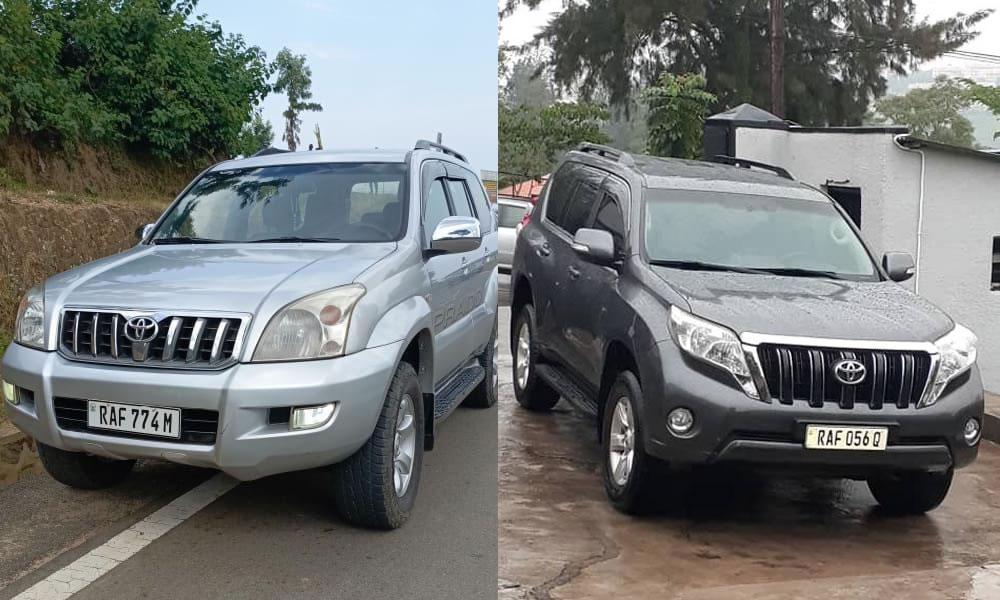
| Household or health surveys in villages | RAV4 or Prado | Economical for many short trips on mixed roads |
| Large teams moving between towns | Toyota Hiace | Seats a full enumerator team on tarmac routes |
Many projects combine two vehicles. For example, a Land Cruiser handles the hardest sites while a smaller SUV covers town errands and supply runs.
Equipping the Vehicle for Instruments and Samples
Scientific gear is fragile and expensive. So think about packing and power before you leave Kigali, not at the first pothole.
Load and storage
Use padded, lockable cases and strap them down. Keep sample boxes upright and away from fuel cans. If you carry liquids or preserved specimens, line the floor with a washable mat.
Power and cooling
Ask whether the vehicle has a 12V socket or can take an inverter for charging laptops, GPS units and camera traps. If you need a fridge or freezer box, tell us early so we can check the power supply.
Recovery and safety kit
Remote fieldwork means help may be hours away. Discuss recovery gear such as a tow strap, shovel, high-lift jack or winch. Availability varies by vehicle, so confirm what is fitted in your quote. Also carry a full first-aid kit and a way to call for help where mobile signal is weak.
Leasing for Long Field Seasons
Projects lasting several months usually suit a lease or long-term rental rather than daily hire. A longer contract makes budgeting simpler, which matters when funds come from a grant with fixed transport lines.
Points to agree in writing
- Servicing intervals and where they happen.
- What happens if a vehicle breaks down at a remote site.
- Replacement vehicle terms, so fieldwork is not delayed.
- Insurance cover, excess and who may drive.
- Monthly invoicing that matches your institution’s finance rules.
Our car hire leasing and long and short term car hire pages explain the options for institutions and NGOs.
Self-Drive or a Local Driver for Your Team
Self-drive gives the most freedom. It suits teams with experienced drivers who need dawn starts, night observations or irregular schedules.
A local driver, however, often saves time. Drivers know rural roads, speak Kinyarwanda and can help with directions, introductions and checkpoints. For social science work in villages, that local knowledge can be as useful as the vehicle. You can book a car hire with a driver for the whole season or only for certain field weeks.
A mixed approach
Some teams hire a driver for the first fortnight while they learn the routes. After that, they switch to self-drive once everyone knows the sites.
Paperwork, Permits and Crossing Borders
Research in Rwanda generally needs approval from the relevant national authorities, and work inside national parks also involves the Rwanda Development Board. Requirements change, so check them early with your host institution.
For transport, keep a copy of the rental agreement, insurance and vehicle documents in each car. If your study crosses into Uganda, Tanzania or the DRC, the vehicle needs cross-border papers arranged in advance. Remember too that Uganda and Tanzania drive on the left.
Fuel, Logbooks and Daily Routines
Fuel stations are common in towns but scarce near many study sites. So fill up every evening on the way back to base, and carry a sealed jerrycan only if the vehicle has a safe place for it.
A simple logbook also pays off. Record daily kilometres, fuel, sites visited and any warning lights. Grant auditors appreciate it, and it helps us spot a problem before it strands your team.
Finally, appoint one team member as the vehicle lead. That person checks tyres, oil and water each morning and reports issues to us straight away.
Arrivals and Equipment Handling
Teams often land at Kigali International Airport with heavy cases of equipment. A Hiace or Land Cruiser with a driver can meet you and take gear straight to your base. Our Kigali airport transfers can be timed with your field vehicle handover.
FAQ on Rwanda Research Car Rental
Can we rent several vehicles for one project?
Yes. Tell us how many people and how much gear you have, and we will suggest a mix of vehicles.
Can the vehicle stay at a remote field station?
Usually, yes. Agree where it will be parked, how servicing will work and how to reach us if something goes wrong.
Can invoices go to our university or NGO?
Institutional invoicing can normally be arranged. Share your finance requirements when you request a quote.
Which vehicle is best for rainy-season fieldwork?
A Land Cruiser is the safest choice for forest-edge and hillside tracks in the wet months.
Planning a field season? Send your dates, sites, team size and equipment list on WhatsApp to +250 725 074659 or email info@4x4carrentalrwanda.com. We will put together a vehicle plan for your project.