
Sleeping on the roof of a 4×4, then waking to birdsong over a lake or savannah, is one of the most memorable ways to see Rwanda. A rooftop tent safari Rwanda trip also gives foreign visitors more freedom and can lower accommodation costs. This guide covers what the kit includes, where you can camp, and what overseas travellers should know before booking.
How a Rooftop Tent Safari Rwanda Trip Works
A rooftop tent is a folding tent mounted on a roof rack. It opens in a few minutes and has a built-in mattress, so you sleep off the ground, away from damp and insects. A ladder leads up from the side or back of the vehicle.
The vehicle underneath is usually a Land Cruiser, Hilux or similar 4×4. Your camping kit rides inside, so the car becomes your transport, bedroom and kitchen in one. Each day you drive to the next park or lake, set up camp and explore.
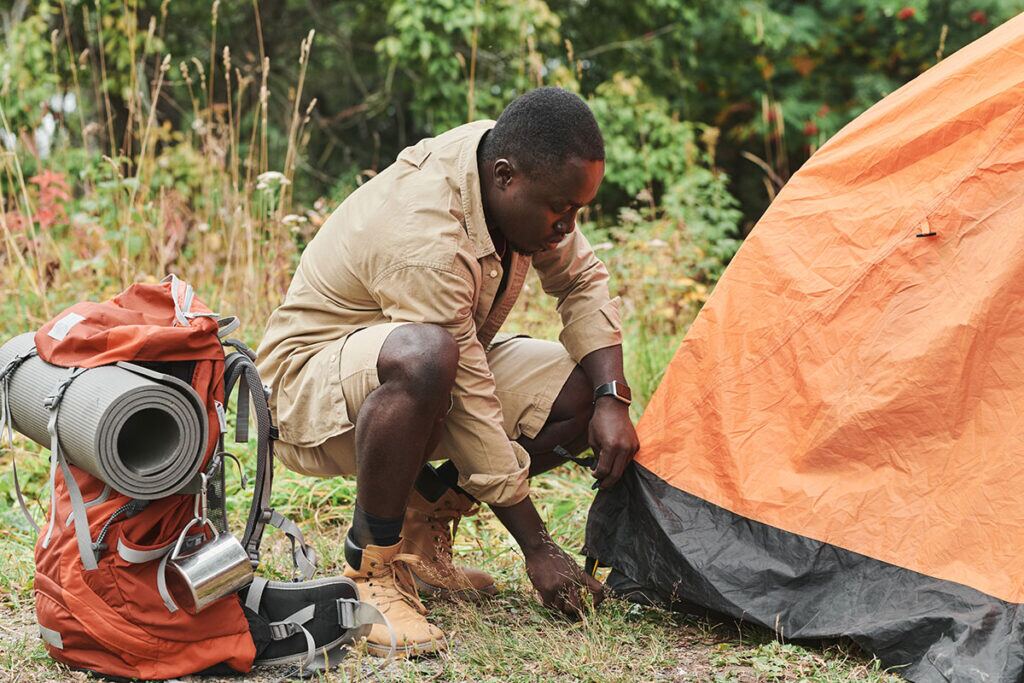
What Usually Comes With the Kit
Kits vary, so always confirm the list before you travel. A typical setup includes:
- Rooftop tent with mattress, plus pillows and sleeping bags or bedding.
- Camping table and folding chairs.
- Gas stove, cooking pots, utensils and plates.
- Cool box or fridge, depending on the vehicle.
- Water containers and a basic first aid kit.
- Head torches or camp lights.
Things you may need to bring or buy locally include food, drinking water, toiletries and a power bank. Our car rental with camping gear page lists the current kit.
Where You Can Camp in Rwanda
Rwanda has fewer campsites than Kenya or Tanzania, so planning matters. Wild camping is not the norm, and you should always camp where you have permission. Here are the main options:
Akagera National Park
Akagera has designated campsites inside the park, some with lake views. It is the classic rooftop tent destination, because you can camp near the wildlife and start game drives at dawn. Book campsites in advance through the park.
Lake Kivu
Some lodges and guesthouses along the lake allow campers to use their grounds and facilities for a fee. The lakeshore road between Rubavu, Karongi and Rusizi is scenic and quiet.
Volcanoes and Nyungwe areas
A few lodges near these parks accept campers. Nights here are cold, especially in the volcano region, so pack warm layers. Always call ahead to confirm.
What Foreign Tourists Should Know
A few points catch overseas visitors out, so check them before you book.
- Licence: bring your national licence and an International Driving Permit, especially if your licence is not in English or French.
- Driving side: Rwanda drives on the right. If you cross into Uganda, Kenya or Tanzania, you switch to the left.
- Weather: rain is frequent from March to May and October to November. A rooftop tent stays dry, but setting up in heavy rain is less fun.
- Altitude: much of Rwanda sits above 1,500 metres, and nights can be cool. Pack a warm layer even in the dry season.
- Sun: days are bright near the equator, so bring sunscreen and a hat.
Rwanda is safe for self-drive travellers. Still, keep valuables locked inside the vehicle at night and share your route with your rental company.
A Sample Rooftop Tent Route
A week works well for a first rooftop tent trip. Here is one practical loop:
- Days 1–2: Collect the vehicle in Kigali, then drive about 2.5 hours east to Akagera. Camp two nights inside the park.
- Day 3: Return west via Kigali to stock up on food and fuel.
- Day 4: Drive north to Musanze (2–2.5 hours). Stay at a lodge that accepts campers.
- Day 5: Gorilla or golden monkey trekking. A gorilla permit costs US$1,500 from RDB.
- Days 6–7: Drive to Lake Kivu at Rubavu and relax by the water before returning to Kigali.
For more ideas, see our road trips in Rwanda page.
Setting Up and Driving With a Rooftop Tent
At handover, ask the agent to show you how to open and close the tent. Practise once in Kigali before you leave. It usually takes a few minutes once you know the steps.
The tent adds weight and height to the vehicle. So take bends a little slower and watch for low branches on park tracks. Also, close the tent fully and secure the cover before driving, because wind can damage loose fabric.
Shopping for food is easy in Kigali, Musanze and Rubavu, which all have supermarkets and markets. Buy fresh produce for two or three days at a time, since the cool box has limited space. Gas refills can be harder to find, so check the cylinder level at handover.
Finally, arrive at your campsite before dark. Setting up, cooking and finding facilities is much easier in daylight.
Is It Cheaper Than Lodges?
Often, yes, because campsite fees are usually much lower than lodge rates. However, the vehicle with camping kit costs more than a standard 4×4. You will also buy and cook your own food.
For many travellers, the savings come from mixing nights. Camp in Akagera and at Lake Kivu, then book a lodge near Volcanoes for a warm bed before trekking. Our cheap car rental Rwanda page explains how rental pricing works.
Rooftop Tent Questions From Overseas Visitors
How many people can sleep in a rooftop tent?
Most rooftop tents sleep two adults. Some larger models fit a small family; ask about sizes when you book.
Is it safe to camp near wildlife in Akagera?
Yes, at designated campsites and if you follow park rules. Stay in or near the vehicle at night and keep food sealed.
Can I combine camping with a cross-border trip?
Yes, with prior arrangement. The vehicle needs cross-border documents, so tell us your route early. See our cross-border car hire page.
What if it rains all night?
Rooftop tents are designed to stay dry. Just close all windows and secure the rain fly before sleeping.
Book Your Rooftop Tent Safari Rwanda Vehicle
Tell us your travel dates, route and group size, and we will confirm the right camping 4×4. WhatsApp or call +250 725 074659, or email info@4x4carrentalrwanda.com.