
Akagera is Rwanda’s savannah park, home to lions, elephants, rhinos, giraffes and hundreds of bird species. Its tracks range from smooth gravel near the lakes to sandy, rutted roads in the far north. Choosing the right Akagera National Park safari 4×4 decides how far you can go and how much you will see.
What the Roads in Akagera Are Really Like
The drive from Kigali to the main southern gate takes about 2.5 hours on tarmac. Once inside, everything is unpaved. The park is long and narrow, so a full south-to-north crossing is a serious day’s drive.
Southern lakes area
Around Lake Ihema and the park headquarters, tracks are mostly firm gravel. Hippos, buffalo and many birds are common here. A compact SUV can manage this section in dry weather.
Central and northern plains
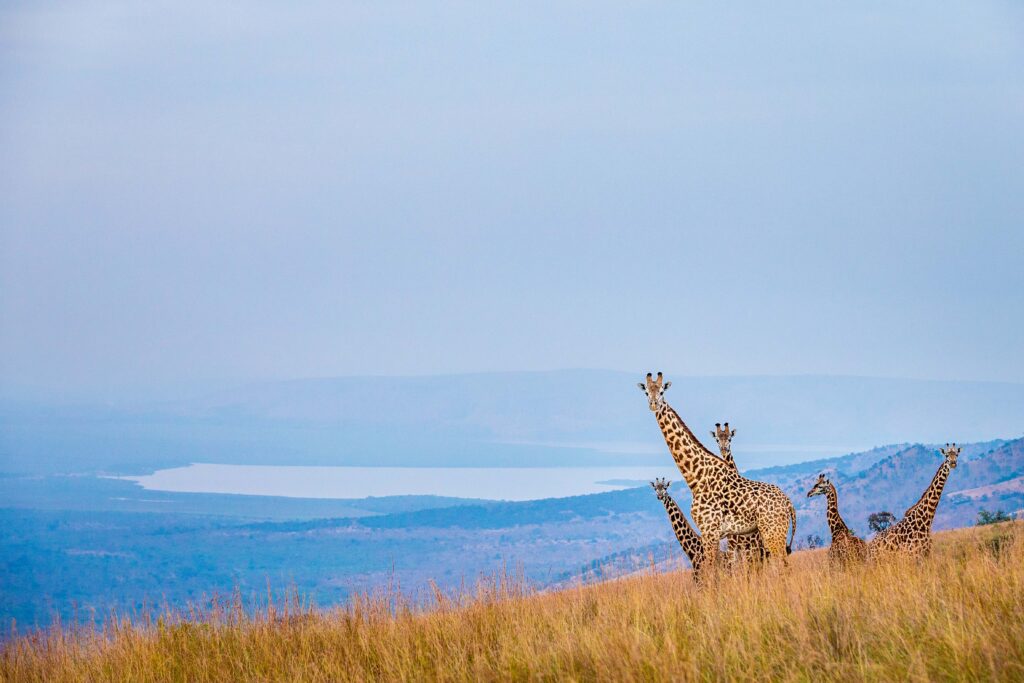
Further north, the land opens into grassland where lions, elephants and giraffes are easier to see. Here the tracks can be sandy, rocky or deeply rutted. After rain, black-cotton soil turns slippery. A proper 4×4 with good clearance is essential.
Exiting at Nyamirama
Many visitors drive south to north and leave through the northern gate. That way you avoid backtracking, though you will need a full tank and a full day. Check gate hours before you set out.
Comparing Each Akagera National Park Safari 4×4
Here is how the main rental vehicles perform in Akagera, from lightest to toughest.
| Vehicle | Akagera range | Best for |
|---|---|---|
| Toyota RAV4 | Southern lakes in dry season | Budget day trips, couples |
| Land Cruiser Prado / TXL | Most of the park, including the north | Families wanting comfort |
| Safari Land Cruiser (pop-top) | Whole park, any season | Serious game viewing and photography |
| Land Cruiser with rooftop tent | Whole park plus campsites | Overnight self-drive camping |
Toyota RAV4: a light option
The Toyota RAV4 is economical and easy to drive. It suits a short visit focused on the Lake Ihema area in the dry months. However, its lower clearance limits you in the north, especially after rain.
Land Cruiser Prado: the comfortable middle ground
The Prado handles most of Akagera’s tracks with ease. Its comfortable seats help on long, bumpy days. On the other hand, you will view game through the windows, so the rear passengers see less.
Safari Land Cruiser: the park specialist
The extended Safari Land Cruiser is built for this kind of park. It has high clearance, a strong chassis and a raised roof for standing views. If wildlife is your main goal, this is the vehicle to choose.
Camping in Akagera With a Rooftop Tent
Akagera has designated campsites, including spots near the lakes and in the north. Staying overnight lets you be on the tracks at first light, when predators are most active. A rooftop tent 4×4 makes this easy, because your bed is set up in minutes.
Camping tips for Akagera
- Book your campsite in advance through the park.
- Carry enough water, food and fuel; there are few shops inside the park.
- Store food inside the vehicle at night to avoid attracting animals.
- Never leave the campsite on foot after dark.
Our car rental with camping gear page lists what a full kit includes.
Self-Drive Tips Inside the Park
Akagera allows self-drive visits, which makes it one of the most rewarding parks in the region for independent travellers. Still, a few rules and habits keep you safe and help you see more.
- Pay fees at the gate: entry and vehicle fees are set by park management and change, so check current rates before you go.
- Stay on marked tracks: off-road driving is not allowed.
- Keep your distance: elephants and buffalo can charge if crowded.
- Stay in the vehicle: only leave it at designated points.
- Drive slowly: the speed limit is low, and slow driving helps you spot animals.
Hiring a park guide
You can pick up a freelance ranger-guide at the gate. They ride in your vehicle and know where animals have been seen recently. For first-timers, this often doubles the number of sightings.
Packing the Vehicle for a Day in the Park
Akagera is hot, dusty and remote, so prepare the car as if you will be self-sufficient all day. A well-packed vehicle also means fewer stops and more time watching animals.
- At least three litres of water per person, plus a cool box for lunch.
- Binoculars for each passenger and a bird or mammal field guide.
- A beanbag to steady a camera on the window frame or roof edge.
- Sunscreen, hats and a light long-sleeved layer against tsetse flies.
- A printed park map, since phone signal is patchy in the north.
Before leaving the gate, also check the spare tyre and jack. Sharp stones on the northern tracks can cause punctures, and help may be an hour away.
Combining a Game Drive With Other Activities
Your vehicle gets you around the park, but some highlights need a different approach. The Lake Ihema boat trip is excellent for hippos, crocodiles and water birds. Night drives and behind-the-scenes tours are run by the park, so you leave your own car parked.
A good plan is two days: one for the southern lakes and a boat trip, then one for the northern plains. Our 2 days Akagera safari follows this pattern.
Akagera Vehicle FAQ
Can I visit Akagera in a normal car?
Only the southern lake area, in dry weather, and with care. For the north or any rainy-season trip, choose a 4×4.
Is there fuel inside Akagera?
Do not count on it. Fill up in Kigali or Kayonza before entering, and plan your route around your tank.
Which month is best for driving in Akagera?
The dry season, June to September, offers firmer tracks and animals gathered near water. December to February is also good.
Do I need a guide if I self-drive?
It is optional. However, a ranger-guide improves sightings and helps you navigate the park’s track network.
Book Your Akagera 4×4
Tell us your dates and whether you plan to camp or stay in a lodge, and we will suggest the right vehicle. Message us on WhatsApp at +250 725 074659 or email info@4x4carrentalrwanda.com.