
Kigali’s traffic is calm and orderly, but its speed rules catch out many visitors in their first hour behind the wheel. This safe driving Rwanda guide focuses on the limits, cameras and road habits you will meet in the capital, then follows you out onto the hills and into the parks. Read it before you collect your rental car and you will drive with confidence from day one.
The Basics Before You Turn the Key
Rwanda drives on the right, with left-hand-drive vehicles. If you come from the UK, Kenya, Uganda or Tanzania, this is the biggest adjustment. So take a few slow laps around your hotel or the rental yard before heading into busy streets.
Carry your driving licence, passport and the car’s papers at all times. An International Driving Permit is strongly recommended, especially if your licence is not in English. Seat belts are compulsory for every passenger, and using a hand-held phone while driving is not allowed.
Zero tolerance on drink-driving
Police run regular breath tests, often in the evening. Penalties are serious. The safest rule is simple: if you drink, do not drive.
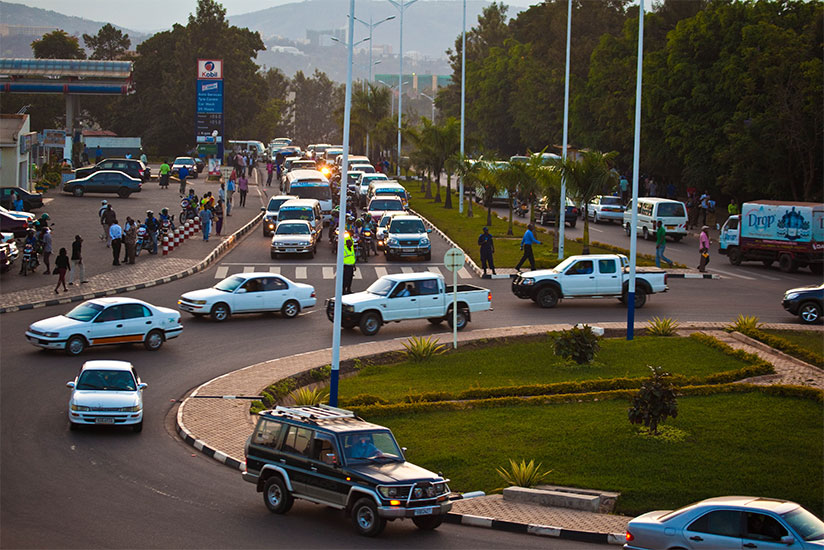
Kigali Speed Rules in Our Safe Driving Rwanda Guide
In most urban areas, including much of Kigali, the speed limit is 40 km/h. That feels slow at first, especially on wide new boulevards. However, it is strictly enforced, and it suits a city full of pedestrians and motorbike taxis.
How enforcement works
Kigali uses fixed speed cameras on main roads and mobile police units with handheld radar. Many cameras are not obvious, so do not rely on spotting them. Fines are linked to the vehicle’s number plate, which means they reach the rental company. They will then pass the fine on to you.
Outside the city
Limits rise on open roads, but they remain modest by European or American standards. They also drop sharply through every village and trading centre. Watch for the signs, and slow down whenever you see houses, schools or markets.
Inside national parks
Parks set their own lower limits. In Akagera, for example, the limit is 25 km/h. Driving slowly protects wildlife and, besides, it helps you spot animals in the bush.
Roundabouts, Junctions and Motos
Kigali has many roundabouts. Traffic already on the roundabout has priority, so yield before entering. Use your indicator clearly when you exit, because drivers behind you expect it.
Motorbike taxis, or motos, are everywhere. Riders pull over suddenly for passengers and filter between lanes. Check your mirrors before every turn and lane change. Moreover, leave extra space at junctions, where motos often squeeze past on the inside.
Pedestrian crossings
Drivers in Rwanda are expected to stop for pedestrians at zebra crossings. Locals step out with confidence, so approach crossings slowly and be ready to brake.
Police Checkpoints and What to Expect
Traffic police are visible across the country, both in Kigali and on highways. A stop is routine and usually friendly. Pull over safely, switch off the engine, greet the officer and hand over your documents when asked.
Officers may check your licence, insurance sticker, seat belts and the car’s safety kit. Every rental should carry a warning triangle, a spare wheel and a jack. Check these at handover so there are no surprises at a roadside stop.
Safe Driving Rwanda Guide for Hills, Rain and Night
Once you leave Kigali, the challenge shifts from speed rules to terrain. Roads to Musanze, Rubavu and Nyungwe are paved but full of tight bends and long climbs.
Hills and bends
Use a lower gear on long descents instead of riding the brakes. Do not overtake on blind corners, even if a slow truck is testing your patience. Heavy lorries also cross the centre line on sharp bends, so keep left of your lane’s middle.
Rainy season
From March to May and October to November, heavy afternoon storms are common. Reduce speed, double your following distance and switch on headlights. On park tracks, engage four-wheel drive before you reach a muddy slope.
Driving after dark
We strongly advise against driving outside Kigali at night. Rural roads are unlit, and pedestrians, cyclists and livestock are hard to see. Plan long drives so you arrive before about 6 p.m., when darkness falls quickly all year.
Choosing a Vehicle That Makes Safe Driving Easier
The right car reduces stress on steep and wet roads. A Toyota RAV4 suits paved routes and city driving. For park roads and the rainy season, a Land Cruiser Prado or Land Cruiser offers more clearance and grip. If you will use a rooftop tent, remember that the extra weight up top makes the car lean more in corners.
Not keen on driving yourself? A car hire with driver removes the worry of speed cameras and unfamiliar roads. Otherwise, our self-drive Rwanda handover includes a short briefing on local rules.
Safe Parking in Kigali and Beyond
Use hotel car parks, malls and guarded lots wherever possible. In busy areas, parking attendants may collect a small fee. Never leave bags, cameras or passports visible inside the car, even for a short stop.
In national parks, park only at viewpoints, lodges and marked areas. Also, never block a narrow track while you watch animals, because other vehicles may need to pass. If you stop on a hillside, leave the car in gear and apply the handbrake firmly.
Frequently Asked Questions
What is the speed limit in Kigali?
In most urban areas it is 40 km/h. Always follow posted signs, because some roads differ.
How will I know if a speed camera caught me?
Often you will not know at the time. The fine goes to the vehicle’s owner, and the rental company will contact you.
Can I use my phone for navigation while driving?
Yes, if it is mounted and hands-free. Holding the phone while driving is not allowed.
Are Rwandan drivers aggressive?
Generally, no. Traffic is more disciplined than in many neighbouring countries, though motos and minibuses need watching.
Drive Rwanda With Confidence
Ask us for a vehicle and a quick route briefing before you set off. WhatsApp or call +250 725 074659, or email info@4x4carrentalrwanda.com.