
Rwanda has four national parks, and all of them can be reached by road from Kigali in a day or less. That makes self drive national parks Rwanda trips unusually easy to plan. This guide takes each park in turn: how long the drive is, what the roads are like, which vehicle suits it, and what to know before you arrive at the gate.
Self Drive National Parks Rwanda: The Four Parks at a Glance
| Park | Drive from Kigali | Main draw | Inside-park driving? |
|---|---|---|---|
| Volcanoes | 2–2.5 hours | Mountain gorillas, golden monkeys | No – you drive to trailheads, then hike |
| Akagera | About 2.5 hours to the gate | Savanna game drives, Big Five | Yes – self-guided game drives |
| Nyungwe | 5–6 hours | Chimpanzees, canopy walk | Main road crosses the forest |
| Gishwati-Mukura | Roughly 3–4 hours (via Musanze or Muhanga) | Chimps, birding, quiet forest | Limited; mostly guided walks |
A good self-drive loop links them all. Start in Kigali, head north to Volcanoes, west to Lake Kivu, south through Nyungwe, and back via Huye. Then add Akagera as a separate trip east.
Volcanoes National Park by Car
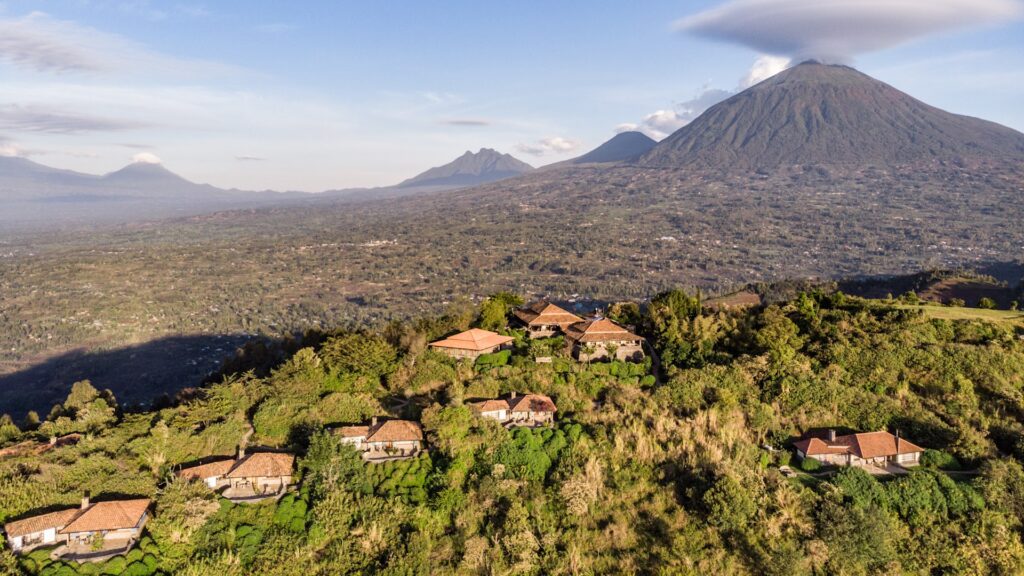
The road from Kigali to Musanze is paved and winding, and takes 2–2.5 hours. On trekking day, you drive to the park headquarters at Kinigi for a 7:00 briefing. After that, you follow your guide’s vehicle to the trailhead for your gorilla group.
Road conditions
The final tracks to trailheads are rough, rocky and often muddy. That’s the main reason to choose a proper 4×4 here, such as a Land Cruiser Prado or Safari.
Before you go
- Gorilla permits cost US$1,500 and must be booked in advance.
- Sleep in Musanze or Kinigi the night before, so you’re not racing the clock.
- Bring gloves, rain gear and good boots; the car is your changing room afterwards.
More detail is on our Volcanoes National Park page.
Akagera: Rwanda’s Self-Drive Game Park
Akagera is the one park where your own car becomes your safari vehicle. You drive through the gate and follow marked tracks past lakes, plains and hills. Lion, elephant, buffalo, rhino, giraffe and zebra all live here.
Getting there and around
The drive to the main southern gate takes about 2.5 hours. Inside, tracks are mostly gravel and sand, with some rocky or muddy patches after rain. Many visitors drive north through the park and exit at the northern gate, so plan a full day.
Best vehicle
A Land Cruiser Safari with a pop-up roof is ideal, because you can stand and scan the plains. A Prado works well too. For overnight stays, a rooftop tent lets you camp at the park’s designated sites.
Tips
- Stay on marked tracks and inside your vehicle except at designated spots.
- Carry plenty of water and fuel; supplies inside the park are limited.
- Consider hiring a park guide for the day; they often know where lions were last seen.
- Book the boat trip on Lake Ihema for close views of hippos and crocodiles.
Find more on our Akagera National Park guide.
Nyungwe Forest: The Long, Scenic Drive
Nyungwe sits in the far southwest, 5–6 hours from Kigali. The paved highway runs right through the forest, with mist, sharp bends and steep climbs. So it’s a beautiful drive, but not a fast one.
What to do
Chimpanzee tracking starts very early, so stay nearby the night before. The canopy walk, waterfall trails and birding fill the rest of your time. Some chimp groups live in the separate Cyamudongo section, reached via a rougher side road.
Vehicle and driving tips
A RAV4 can manage the main road. However, a Prado or Land Cruiser is better for side tracks and wet weather. Fill up in Huye or Rusizi, and drive slowly through the forest, where monkeys sometimes cross. See our Nyungwe National Park page for more.
Gishwati-Mukura: The Quiet Option
Rwanda’s newest park sees far fewer visitors. It suits travellers who want forest walks, birds and a chance of chimpanzees without crowds. Access is via the road between Musanze and Rubavu or from Muhanga, so it fits neatly into a northern loop. Roads to the trailheads are partly unpaved, so a 4×4 is the safer choice.
Planning a Self Drive National Parks Rwanda Circuit
A sample 8-day loop
- Day 1: Kigali to Musanze.
- Day 2: Gorilla trekking in Volcanoes.
- Day 3: Drive to Rubavu on Lake Kivu.
- Day 4: Lakeshore road south to Karongi.
- Day 5: Continue to Nyungwe.
- Day 6: Chimps and canopy walk.
- Day 7: Nyungwe to Kigali via Huye.
- Day 8: Day trip or overnight to Akagera.
What to carry in the car
- A printed copy of permits and bookings, since signal is weak in parks.
- Binoculars, a power bank and a car phone charger.
- Water, snacks and a cool box for long Akagera days.
- A warm layer and rain jacket for Volcanoes and Nyungwe, which are cold at dawn.
Park fees and rules
Entry fees, activity fees and vehicle fees are set by RDB and change, so check current rates when you book. Speed limits inside parks are low, and driving after dark inside Akagera isn’t allowed. Rwanda drives on the right.
When to go
The long dry season (June–September) and the short dry spell (December–February) give the easiest driving. In the rains, tracks get slippery, so leave more time. For broader tips, read our self-drive Rwanda guide.
Questions About Driving to Rwanda’s Parks
Can I drive myself inside Volcanoes National Park?
You drive to headquarters and trailheads, but gorilla treks are on foot with a ranger. There are no game drives in Volcanoes.
Is Akagera safe to self-drive?
Yes, if you stay in the vehicle and follow park rules. Many visitors do it, and a park guide can join you if you want help spotting.
Which park needs a 4×4 most?
Akagera and the Volcanoes trailheads. Nyungwe’s main road is paved, but side tracks still benefit from a 4×4.
Can I camp inside the parks?
Akagera has campsites that suit a rooftop tent. Elsewhere, you’ll mostly stay in lodges or guesthouses near the park.
Start Planning Your Park Trip
Tell us which parks you’d like to visit and your dates, and we’ll suggest the right vehicle and route. Message us on WhatsApp at +250 725 074659 or email info@4x4carrentalrwanda.com.