
Across East Africa, the Toyota Hilux has a reputation for shrugging off bad roads and being simple to fix when something does go wrong. That toughness is why a Toyota Hilux rental Rwanda trip appeals to self-drivers heading beyond the tarmac. This post looks at the Hilux itself: how its four-wheel drive works, how to drive it well on Rwandan roads, and which trips suit it best.
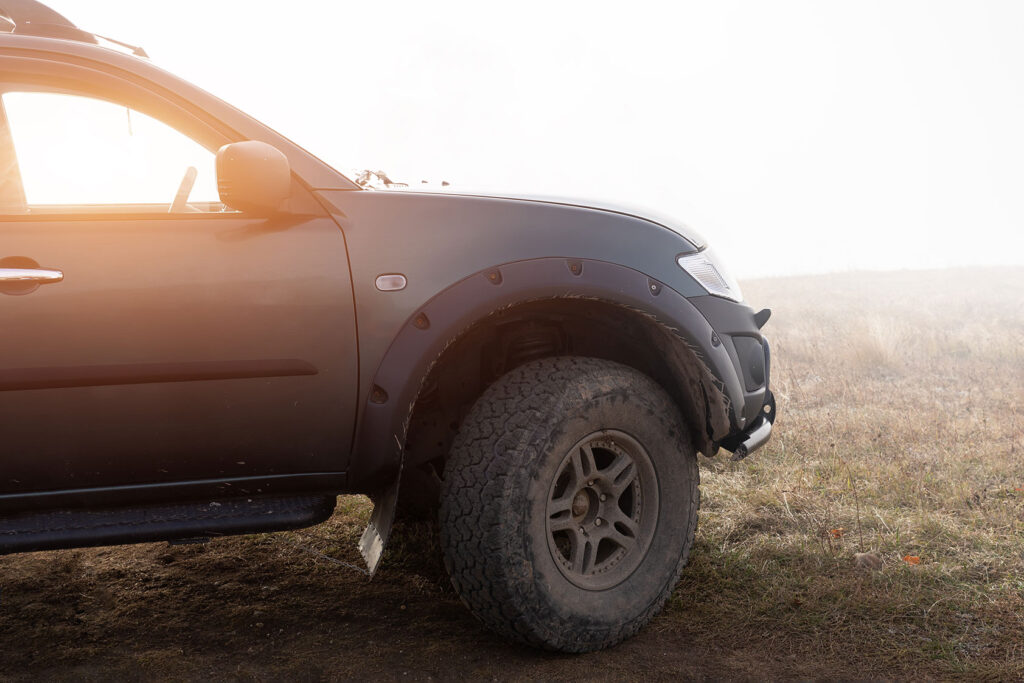
Why the Hilux Earns Its Reputation
The Hilux is built on a separate ladder frame, like a light truck, rather than a car-style body. That frame flexes less and survives knocks that would damage softer SUVs. Its suspension is simple, with leaf springs at the rear designed to carry weight.
Just as important, the Hilux is everywhere in Rwanda. Police, NGOs, farmers and builders all drive one. So if you need a part or a repair in Huye, Musanze or Nyagatare, a local mechanic will know the vehicle well.
Key features at a glance
- Double cab with four doors and five seats.
- Diesel engine with strong low-down pulling power for hills.
- Part-time four-wheel drive with high and low ranges.
- High ground clearance for ruts, rocks and speed bumps.
- Open cargo bed, often fitted with a canopy for luggage.
Using Four-Wheel Drive in a Toyota Hilux Rental Rwanda Trip
Many visitors have never driven a part-time 4×4. The system is easy once you know the three main settings. Your rental handover should include a demonstration, but here is the basic idea.
| Setting | When to use it |
|---|---|
| 2H (two-wheel drive) | All tarmac and dry, firm gravel. Saves fuel and tyre wear. |
| 4H (four-wheel high) | Loose gravel, wet dirt, light mud and park tracks. |
| 4L (four-wheel low) | Steep, slippery climbs, deep mud or very rough descents at walking pace. |
Tips for the transfer lever or switch
- Shift from 2H to 4H at low speed on a straight stretch.
- Stop fully and use neutral before selecting 4L.
- Return to 2H once you reach tarmac, as 4H on dry roads strains the drivetrain.
In short, engage 4H before you need it. It is far easier to stay moving in mud than to get going again once stuck.
Driving the Hilux on Rwandan Roads
Rwanda’s main roads are well paved, but they twist constantly through the hills. The Hilux is tall and, when empty, light at the rear. That combination calls for a steady driving style.
On tarmac
Brake before bends, not in them. Use a lower gear on long descents, such as the drop towards Lake Kivu, to save the brakes. Keep to speed limits; Rwanda’s cameras are frequent and fines follow you home.
On dirt and park tracks
Lower your speed and let the suspension work. Watch for hidden potholes after rain. In ruts, keep the wheels on the high ridges where possible, and do not fight the steering. If a track looks impassable, walk it first.
With a load in the back
A moderately loaded bed actually settles the ride. However, heavy weight lengthens braking distances, so leave more space behind the vehicle in front.
If you do get stuck
First, stop spinning the wheels, as that only digs deeper. Next, select 4L and try reversing gently along your own tracks. If that fails, clear mud from in front of the tyres and lay branches or stones for grip. Finally, call the rental company’s support line; local villagers are also often quick to help push.
Best Trips for a Hilux
The Hilux is not the answer for every itinerary. It shines where roads are rough and space for gear matters.
- Overland camping: fit a rooftop tent and carry cooking kit in the canopy. Our car rental with camping gear can be set up on a Hilux.
- Akagera’s northern tracks: about 2.5 hours from Kigali to the gate, then rough roads where clearance matters.
- Rural field visits: district roads in the east and south that turn muddy in the rains.
- Cross-border overland trips: with documents, into Uganda or Tanzania, where you switch to driving on the left.
When another vehicle is better
For pure game viewing, choose a pop-top Land Cruiser. For a comfortable family tour on tarmac, a Prado rides more smoothly. Compare them on our car rental fleet page.
Handover Checks Specific to the Hilux
Before leaving Kigali, spend ten minutes on these checks. They take little time and prevent most roadside problems.
- Engage 4H and 4L with the agent present and confirm the dashboard light comes on.
- Check that the canopy locks and its seals keep dust out.
- Find the spare wheel, usually under the bed, and test the release mechanism.
- Confirm the jack and wheel spanner fit and are in the vehicle.
- Note the fuel type: diesel only. Petrol in a diesel engine causes serious damage.
Also photograph the bed liner and tailgate. These areas get scuffed easily, and clear photos avoid disputes at return.
Self-Drive or With a Driver
A self-drive Hilux gives you freedom and privacy. On the other hand, a local driver knows which rural roads have washed out and where to find fuel. For your first time on mountain tracks, that local knowledge is valuable.
Many travellers drive themselves on paved routes, then add a driver for difficult days. Compare the options on our self-drive Rwanda page.
Hilux Rental FAQ
Is the Hilux automatic or manual?
Both versions exist. Tell us your preference when you book, especially if you are not used to driving a manual on steep hills.
How many people can travel comfortably in a Hilux?
Four adults ride comfortably, five for shorter trips. Luggage goes in the covered bed, freeing cabin space.
Does the Hilux handle the road to Nyungwe?
Yes. The road is paved and winding, about five to six hours from Kigali. The Hilux copes well, though rear passengers feel the bends.
Can I fit a rooftop tent on a Hilux?
Yes. It mounts on a rack over the canopy or bed. Ask for this setup when you book so it is fitted before pickup.
Reserve a Hilux
Tell us your route, dates and how much gear you carry, and we will prepare the right Hilux setup. Message us on WhatsApp at +250 725 074659 or email info@4x4carrentalrwanda.com.