
Fieldwork in Rwanda lives or dies on transport. Your team may need to reach a hillside soil plot, a rural health centre or a camera trap in Nyungwe. So field research vehicle hire Rwanda deserves the same care as your sampling design. This guide covers which 4×4 suits which project, how long-term hire works, and what to sort out before your first day in the field.
Why Field Research Vehicle Hire Rwanda Needs a 4×4
Rwanda’s national highways are paved and well kept. However, most research sites sit at the end of murram tracks, terraced hillsides or forest roads. After rain, these turn to slick red mud within minutes.
A proper 4×4 gives you ground clearance, low-range gearing and the traction to climb out of a wet valley. It also protects your equipment. Sensitive instruments, cool boxes of samples and laptops ride far better in a stable, well-suspended vehicle than in a city car.
Typical research settings
- Conservation and ecology: Volcanoes, Nyungwe, Gishwati-Mukura and Akagera, often on rough park boundary roads.
- Agriculture and soils: terraced farmland across the Northern and Southern Provinces.
- Public health and social science: rural health centres and villages, plus regular meetings in Kigali.
- Geology and hydrology: lake shores, river valleys and volcanic terrain in the northwest.
Matching the Vehicle to Your Project
There is no single best car. Instead, match the vehicle to your team size, payload and terrain.
| Vehicle | Strengths | Good for |
|---|---|---|
| Land Cruiser Safari / TXL | Very tough, high clearance, big payload | Remote sites, heavy kit, wet-season work |
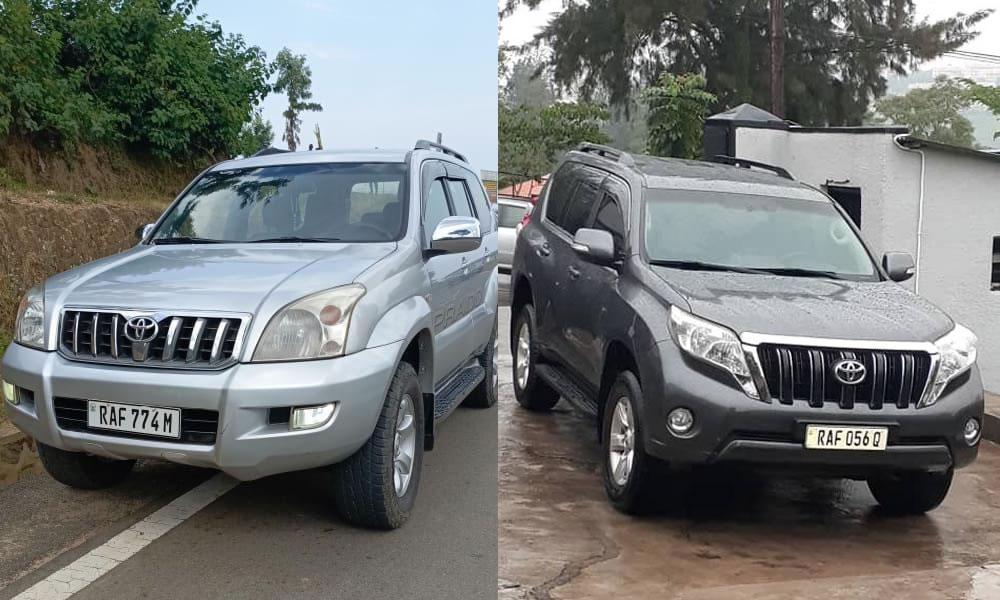
| Land Cruiser Prado | Comfortable, capable, more economical | Mixed urban and rural projects |
| Hilux Double Cab | Open load bed, rugged | Bulky gear, sampling equipment, tools |
| Toyota RAV4 | Light, fuel-efficient | Kigali-based studies, paved routes |
| Toyota Hiace | Seats a large team | Moving enumerators on paved roads |
The Land Cruiser is the workhorse for most field teams because it shrugs off volcanic rock and deep mud. You can see specs on our Land Cruiser Safari page. If you carry bulky equipment, the Hilux Double Cab keeps dirty gear out of the cabin.
Toyota for parts and repairs
Our fleet is mainly Toyota for a practical reason. Parts and mechanics are available across Rwanda and the region. So if something breaks in Musanze or Huye, it gets fixed quickly.
Self-Drive or a Local Driver?
Both options work well for researchers. The right choice depends on your team and your budget.
Self-drive
Self-drive gives you total control of your schedule. That matters when a site visit runs late or the weather forces a change. It also suits experienced teams who have worked in East Africa before. Rwanda drives on the right, so most visitors adjust quickly. Read our self drive Rwanda page for licence and deposit requirements.
With a driver
A local driver lets you review notes, call partners and rest between sites. In addition, drivers know the back roads and can help with greetings and directions in Kinyarwanda. For social research, that local presence often makes community visits smoother. See our car hire with driver service.
Long-Term Hire for Multi-Month Projects
Research projects often run for months, not days. For these, a long-term arrangement is usually more cost-effective than repeated short bookings. It also keeps the same vehicle with your team, so you know its quirks.
When you plan a long hire, discuss these points up front:
- Servicing schedule and where routine maintenance happens.
- Replacement vehicle if yours is off the road.
- Mileage terms for projects that cover the whole country.
- Insurance cover for off-road use and named drivers.
- Invoicing format your finance team or donor needs.
Our car hire leasing page explains monthly options for NGOs, universities and consultancies.
Planning Routes and Drive Times
Distances look short on a map, but hills slow everything down. Plan field days with realistic times from Kigali:
| Destination | Approx. drive time |
|---|---|
| Musanze / Volcanoes National Park | 2–2.5 hours |
| Akagera National Park gate | About 2.5 hours |
| Rubavu / Lake Kivu | 3–3.5 hours |
| Nyungwe National Park | 5–6 hours |
| Katuna (Gatuna) border with Uganda | About 1.5 hours |
Add time for the last few kilometres on dirt roads, which can take longer than the highway section. Also, avoid driving rural roads after dark, when pedestrians and cyclists are hard to see.
Camping near remote sites
For nocturnal surveys or sites far from lodges, a rooftop tent keeps your team close to the work. It also removes the daily commute. Ask about our car rental with camping gear kits.
Field-Day Checklist for Your Rental
A few minutes of checks each morning saves hours of trouble later. Make this a team habit.
- Check tyre pressure and look for cuts, especially after volcanic rock.
- Confirm the spare, jack and wheel spanner are on board.
- Top up fuel whenever you pass a station on long days.
- Strap down equipment so it can’t shift on steep descents.
- Carry water, a first-aid kit and a charged phone with our number saved.
- Keep vehicle papers and your driving licence in the car.
If anything goes wrong, call us before attempting a repair. We will guide you or arrange help.
Budgeting Transport in Your Research Grant
Transport is often one of the biggest field costs, yet it is easy to underestimate. Build it into your budget early, and ask for a written quote you can attach to grant paperwork.
What to include
- Daily or monthly vehicle rate for the whole field period.
- Driver fees and allowances, if you use a driver.
- Fuel, which rises quickly with long rural days.
- Extra days for setup, travel and weather delays.
- Cross-border paperwork, if your study is regional.
Independent researchers and students on tight budgets can still get a dependable 4×4. A smaller vehicle, a longer booking and careful route planning all keep costs down. Our cheap car rental Rwanda page shows budget-friendly options.
Finally, keep fuel receipts and a simple mileage log. Most donors and university finance teams ask for them, and they make reporting much easier at the end of the project.
Crossing Borders for Regional Studies
Some projects span Rwanda and its neighbours. We can prepare the paperwork to take a vehicle into Uganda, Tanzania, Kenya or the DRC. Remember that Uganda, Kenya and Tanzania drive on the left, unlike Rwanda.
Give us your route early, because cross-border documents take time. Our cross-border car hire page lists what we need from you.
Frequently Asked Questions
Which vehicle is best for wet-season fieldwork?
A Land Cruiser or Hilux. Both have the clearance and traction to handle deep mud on rural tracks.
Can we hire several vehicles for one project?
Yes. Tell us how many teams you have and where they will work, and we will plan the fleet with you.
Do you offer monthly rates for NGOs and universities?
Long-term hire is available. Send us your project dates and needs for a tailored quote.
Can we start the rental at Kigali airport?
Yes. We can deliver the vehicle when your team lands, so you can head straight to your base.
Get Your Field Vehicle Ready
Share your project dates, sites, team size and equipment list, and we will recommend the right 4×4 setup. Message us on WhatsApp at +250 725 074659 or email info@4x4carrentalrwanda.com. We will help you get on the road and into the field quickly.