
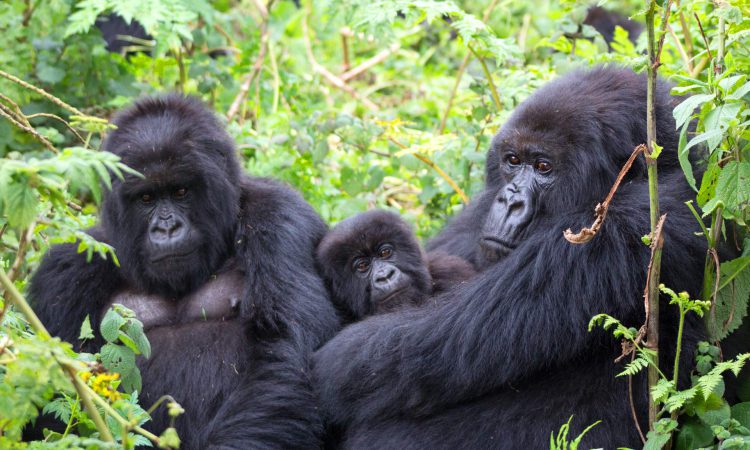
The first time most people hear the number, they assume it’s a typo. Fifteen hundred dollars for one hour with a gorilla family? It sounds absurd until you understand where the money actually goes — and once you do, booking the permit stops feeling like a splurge and starts feeling like the actual point of the trip.
Rwanda vs. Uganda Permit Prices in 2026
Rwanda’s Volcanoes National Park charges USD 1,500 per person for a standard gorilla trekking permit, with occasional promotional rates for East African, African, and resident travelers. Uganda’s permits, whether at Bwindi Impenetrable National Park or Mgahinga Gorilla National Park, run considerably lower: USD 800 for international visitors, USD 700 for foreign residents, and USD 500 for other African passport holders. Same experience, roughly speaking, but a genuinely different price tag depending on which side of the border you trek on.
Why Rwanda’s Permit Costs Almost Double
It isn’t just pricing for pricing’s sake. Rwanda deliberately positions gorilla trekking as a high-value, lower-volume experience — fewer visitors per day, higher revenue per visitor, and a significant share of permit income funneled directly into community projects and conservation around the park. Uganda spreads its gorilla families across more sectors and issues more permits daily, which keeps the price lower but also means a slightly less exclusive-feeling trek. Neither approach is wrong; it’s a genuine trade-off between cost and crowd size.
How and When to Book
Permits are tied to a specific date and, in most cases, a specific gorilla family, and they do sell out — particularly during the June to September and December to February high seasons. Three to six months ahead is a reasonable target for peak-season travel; if you’re set on one specific date with little flexibility, book even earlier. Permits are issued through the Rwanda Development Board or Uganda Wildlife Authority, typically via a registered tour operator or booking agent, and full payment is generally required at the time of booking rather than on arrival.
What the Permit Actually Includes (and What It Doesn’t)
Your permit fee covers park entrance for the day, the services of your ranger guide and trackers, and your strictly timed hour with the gorilla family once you’ve reached them. It doesn’t cover transport to the park, a vehicle to get you there, accommodation, meals, or a porter to carry your bag on the trek itself — that last one is optional but genuinely worth the roughly USD 10 to 15 it costs, particularly on a longer trek.
A Few Realities Worth Knowing Before You Book
The trek length is genuinely unpredictable — anywhere from two to seven hours round trip, depending on where the family happens to be that day, and there’s no way to request an “easy” one in advance. Permits are non-refundable in almost all circumstances, illness included, so travel insurance that covers trip interruption is worth having. And if budget is a real constraint, golden monkey tracking in either country runs a fraction of the gorilla permit price and is a genuinely worthwhile experience in its own right, not just a consolation prize.
However you land on the Rwanda-versus-Uganda decision, the permit is the one part of this trip we can’t discount or negotiate around — it’s set by the government, not by us. What we can do is help you book it at the right time, pair it with a vehicle suited to actually reaching the park, and make sure the rest of your trip doesn’t carry the same sticker shock as that first number did.