
Every Rwanda safari runs on transport, yet most travellers only think about it after booking lodges and permits. In practice, safari transport Rwanda comes in a handful of models, from full self-drive to a private driver-guide, with mixed options in between. This guide compares those models so you can pick the one that fits your route, budget and comfort level.
The Four Main Safari Transport Models
Rwanda is small, and its parks are linked by good paved highways. That makes it flexible. Most visitors choose one of these approaches.
- Self-drive 4×4. You collect a car in Kigali and drive yourself between parks.
- Private car with a driver-guide. A local driver handles the roads and shares knowledge along the way.
- Mixed model. You self-drive some legs and book a driver or park guide for others.
- Point-to-point transfers. Single journeys, such as airport to Musanze, with no vehicle in between.
Each model has clear strengths. The right answer depends on your confidence, your time and how many parks you plan to visit.
Self-Drive: Freedom on Your Own Schedule
Self-drive suits independent travellers who enjoy planning. You decide when to leave, where to stop and how long to linger at a sighting. Rwanda drives on the right, and main roads are in good condition, so many visitors feel comfortable quickly.
When it works best
- You have at least five days and a flexible plan.
- You are confident on hills, gravel and the occasional muddy track.
- You want to camp or stay in small guesthouses off the main circuit.
Our self-drive Rwanda service includes a route briefing and support if anything goes wrong on the road.
Driver-Guide: Safari Transport Rwanda Without the Stress
A private driver-guide is the most relaxed way to travel. You sit back while someone who knows every bend and checkpoint does the driving. Moreover, a good guide points out birds, explains village life and helps with park logistics.
Why many first-timers choose it
- No worries about early starts for the gorilla briefing at Kinigi.
- Local knowledge of trailheads, viewpoints and lunch stops.
- More time to rest after long treks and game drives.
- Easier communication in villages where Kinyarwanda is the main language.
The driver’s meals and accommodation are usually added to the quote on multi-day trips. See our car hire with driver page for what is included.
The Mixed Model: Best of Both
Many travellers combine approaches. For example, you might take a driver for the first two days to settle in, then self-drive to Lake Kivu. Alternatively, you can self-drive everywhere but hire a freelance park guide at the Akagera gate for game drives.
This model keeps costs in check while removing stress where it matters most. It also suits families who want help on the trickier northern roads but enjoy driving on the lakeshore.
Point-to-Point Transfers for Short Stays
Some travellers do not need a vehicle for the whole trip. If you are staying at a single lodge near Volcanoes, for instance, a transfer there and back may be enough. Lodges often arrange local activities, so you rarely need a car in between.
Transfers also work well for business visitors who add one safari day to a Kigali trip. Our Kigali airport transfers can take you straight from the arrivals hall to Musanze or Akagera.
Safari Transport Rwanda for Cross-Border Circuits
Many safaris combine Rwanda’s gorillas with Uganda’s Bwindi or Queen Elizabeth parks. In that case, your transport choice has extra steps. The vehicle needs cross-border documents, and you must remember that Uganda drives on the left.
A driver-guide with cross-border experience makes these trips much easier. They know the Katuna and Cyanika border posts, about 1.5 hours and 2.5–3 hours from Kigali respectively. However, experienced self-drivers can manage too, with good planning and paperwork prepared before departure. Read more on our cross-border car hire page.
Choosing a Vehicle for Each Model
The vehicle matters as much as the model. A self-drive couple has different needs from a group of six with a guide.
| Situation | Recommended vehicle |
|---|---|
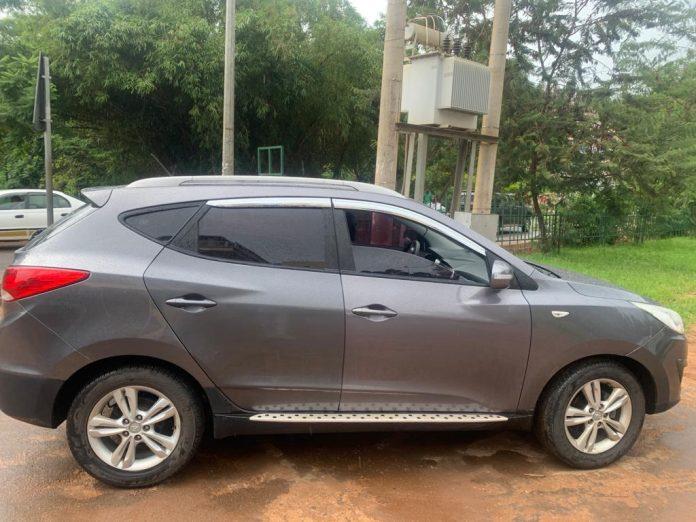
| Couple, self-drive, mostly paved roads | Toyota RAV4 |
| Family or wet-season trip | Land Cruiser Prado |
| Game drives with a pop-up roof | Land Cruiser Safari |
| Groups of seven or more | Toyota Hiace with driver |
Matching Transport to a Typical Safari Route
Most Rwanda safaris follow a similar loop. Knowing the drive times helps you decide where a driver adds most value.
- Kigali to Volcanoes (Musanze): 2–2.5 hours on paved road.
- Musanze to Rubavu on Lake Kivu: a short scenic drive west.
- Lake Kivu to Nyungwe: a winding lakeside and mountain route.
- Kigali to Nyungwe directly: 5–6 hours.
- Kigali to Akagera gate: about 2.5 hours.
The longest, most tiring legs are Nyungwe and the Congo-Nile lakeside road. Therefore, if you only book a driver for part of the trip, these are the days to choose.
Budgeting for Safari Transport
We do not publish fixed safari transport prices, because quotes depend on dates, vehicle and route. However, a few factors drive the cost.
- Vehicle type, with Land Cruisers costing more than smaller SUVs.
- Whether you add a driver and their overnight costs.
- Fuel, which rises with long multi-park routes.
- Extras such as camping gear or cross-border paperwork.
Park fees and permits are separate and set by RDB. The widely published Rwanda gorilla permit price is US$1,500 per person.
Frequently Asked Questions
Is self-drive cheaper than a driver-guide?
Usually, yes, because you avoid driver fees and their accommodation. However, a driver can save time and reduce stress on long days.
Can I switch from self-drive to a driver mid-trip?
Often, yes, if you arrange it in advance. Tell us your plan when you book.
Which model is best for a three-day trip?
A driver-guide, because short trips leave little time to learn the roads.
Can transport include a visit to Uganda?
Yes. Both self-drive and driver options can cross into Uganda with the right paperwork.
Plan Your Safari Transport
Share your route and travel style, and we will suggest the right model and vehicle. WhatsApp or call +250 725 074659, or email info@4x4carrentalrwanda.com.