
Packing for a road safari is different from packing for a flight. You have more space, but you also need to cope with dust, mud, cold mornings and long stretches without shops. This safari packing checklist covers what to bring for the vehicle and for yourself when you hire a 4×4 in Rwanda.
How to Use This Safari Packing Checklist
Start with what the rental company already supplies, then fill the gaps. Most 4x4s come with a spare tyre, jack, wheel spanner and basic tools. However, extras such as cool boxes, camping kits or child seats are usually booked separately.
So confirm the included items when you book. Then use the lists below to pack the rest. Keep it light, because a crowded car is uncomfortable on long drives.
Pack in soft bags
Soft duffel bags squeeze into corners far better than hard suitcases. They also stop luggage from sliding around on bumpy park tracks. In addition, a few packing cubes help you find things quickly at roadside stops.
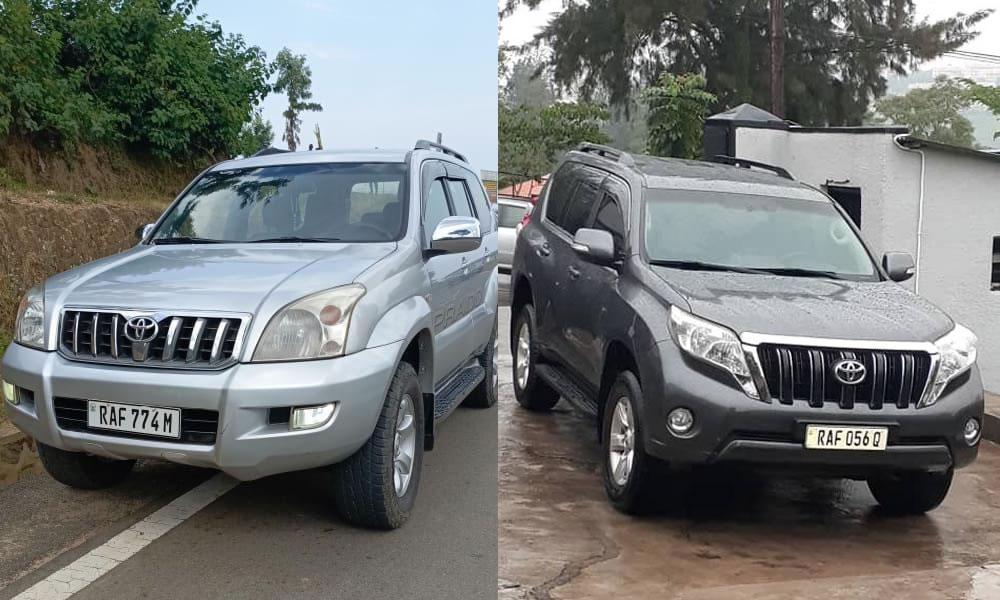
Vehicle Essentials for Your Safari Packing Checklist
These items keep you moving if something goes wrong. Check each one at handover and add any that are missing.
Safety and recovery
- Spare tyre, jack and wheel spanner (check they fit).
- Warning triangles, required if you break down.
- Basic first-aid kit.
- Tow strap for getting out of mud.
- Torch or headlamp with spare batteries.
Power and navigation
- 12V car charger and cables for every phone.
- Power bank for days away from sockets.
- Phone mount for the dashboard.
- Offline maps downloaded before you leave Kigali.
Documents in the glovebox
- Rental agreement and condition report.
- Vehicle registration and insurance papers.
- Your driving licence and international permit if needed.
- Copies of park and gorilla permits.
Clothing for Rwanda’s Climate
Rwanda sits high above sea level, so it is cooler than many visitors expect. Mornings in the Volcanoes area and Nyungwe can be chilly, while Akagera is warmer and drier. Therefore, pack layers you can add and remove through the day.
What to pack
- Light long-sleeved shirts and trousers in neutral colours.
- A warm fleece or jacket for early starts.
- A waterproof rain jacket, all year round.
- Sturdy hiking boots with good grip for treks.
- Gardening gloves for gorilla trekking through nettles.
- A sun hat and sunglasses.
- Comfortable sandals for lodges and long drives.
Avoid bright colours on game drives and treks, since neutral tones disturb wildlife less.
Food, Water and Comfort on the Road
Long stretches between towns mean you should carry your own supplies. Fortunately, Kigali supermarkets stock everything you need before you head out.
Road-trip supplies
- Plenty of bottled water, or refillable bottles and a filter.
- Snacks such as nuts, biscuits and fruit.
- A cool box for drinks and lunch on game-drive days.
- Wet wipes and hand sanitiser.
- Toilet paper for remote stops.
- A reusable bag for rubbish, since plastic bags are banned.
Also, bring a small cushion or neck pillow. Rwanda’s hill roads have many bends, so passengers appreciate the comfort.
Wildlife and Photography Gear
A road safari lets you carry more camera gear than a flying safari would. Even so, protect it well from dust and bumps.
- Binoculars, ideally one pair per person.
- Camera with a zoom lens for Akagera’s wildlife.
- Spare batteries and memory cards.
- A beanbag to steady your lens on the window frame.
- Dry bags or zip-lock bags for rain and dust.
- A field guide to East African birds or mammals.
The pop-up roof on a Land Cruiser Safari gives you a great platform for photos. Just secure loose items before you drive off again.
Extra Items for Camping Trips
If you plan to camp, your packing changes significantly. A rooftop tent rig usually includes the tent and mattress, but check what else comes with it.
Camping additions
- Sleeping bag suited to cool highland nights.
- Headlamp for setting up after dark.
- Quick-dry towel.
- Insect repellent.
- Simple cooking supplies if the kit does not include them.
Our car rental with camping gear page lists what each camping package includes.
Health and Personal Items
Pharmacies exist in larger towns, but not near the parks. So carry a small personal kit.
- Any prescription medicines, in original packaging.
- Antimalarials, if your doctor recommends them.
- Sunscreen with high protection.
- Rehydration sachets and basic painkillers.
- Proof of yellow fever vaccination if required for your route.
Loading the Vehicle Smartly
How you load the car matters as much as what you bring. Put heavy bags low and towards the front of the boot. That keeps the vehicle stable on steep bends and rough tracks.
Next, keep a day bag within reach of the front seats. It should hold water, snacks, sunscreen, binoculars and a rain jacket. Then you never need to unpack the boot at a roadside stop.
Finally, never stack loose items on the back shelf or dashboard. They block your view and can fly forward under hard braking.
What Not to Pack
Some items cause problems in Rwanda. Single-use plastic bags are banned and may be confiscated on arrival. Drones need special permission, so leave them at home unless you have it. Finally, avoid camouflage clothing, which is generally discouraged for civilians.
For more on preparing a self-drive trip, see our self-drive Rwanda guide.
FAQ: Packing Your Safari Vehicle
Do I need a cool box?
It is very useful on full-day game drives in Akagera, where there are few places to buy cold drinks. Ask for one when you book.
How much luggage fits in a Land Cruiser?
A Land Cruiser takes several soft bags plus day packs comfortably. Hard suitcases take up more space, so soft bags are better.
What footwear works best for gorilla trekking?
Waterproof hiking boots with ankle support. Trails are often steep and muddy, and gaiters help too.
Should I bring cash?
Yes, some Rwandan francs for small purchases, tips and rural fuel stops. Cards and mobile money work in towns.
Get Your Vehicle Ready
Tell us your route and dates, and we will confirm what comes with your 4×4 and which extras to add. WhatsApp or call +250 725 074659, or email info@4x4carrentalrwanda.com.