
Rwanda is one of the safest countries in Africa to travel by road, but a safari still brings risks you will not meet at home. Wild animals, steep forest roads and sudden storms all call for a bit of extra care. This guide to safari transport safety in Rwanda covers the vehicle, the driver, the wildlife and the weather, so your trip stays memorable for the right reasons.
Safari Transport Safety Rwanda: Start with the Right Vehicle
Safety begins before you turn the key. A vehicle that suits the terrain is less likely to get stuck, overheat or bottom out on rocks.
Why a proper 4×4 matters
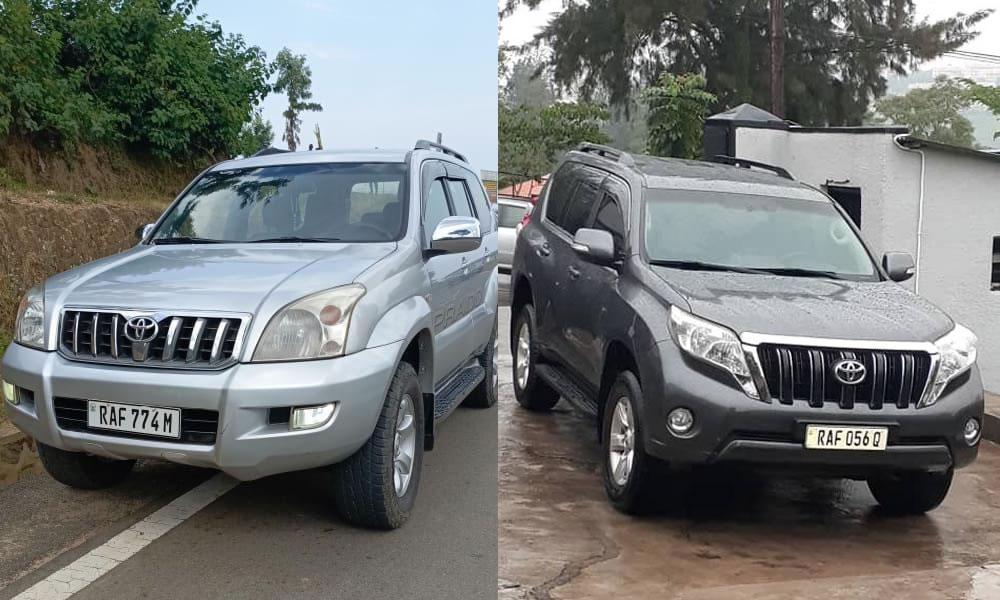
Park tracks in Akagera and trailhead roads near Volcanoes can be rutted and slippery. A Land Cruiser or Prado has the clearance and traction to handle them. In contrast, a small car may cope on tarmac but struggle the moment rain arrives.
Check the safety kit
Before leaving Kigali, confirm the vehicle carries:
- A properly inflated spare tyre, jack and wheel spanner
- Two warning triangles, which Rwandan law requires
- A fire extinguisher and a basic first-aid kit
- Working seat belts for every passenger
- Child seats fitted correctly, if you travel with young children
Every vehicle in our fleet is inspected before handover. Still, a quick personal check gives you peace of mind.
Rules of the Road That Keep You Safe
Rwanda drives on the right, and traffic laws are enforced firmly. Following them is the simplest safety measure of all.
- Speed limits: they are low in towns and villages, and speed cameras are common. Slow down well before settlements.
- Seat belts: everyone must wear one, front and back.
- Phones: using a handheld phone while driving is illegal.
- Alcohol: limits are strict and checks are frequent, so do not drink and drive.
- Police checkpoints: stop, greet the officer politely and show your documents.
Watch for people and animals
Rural roads are busy with pedestrians, cyclists carrying heavy loads, and goats or cattle. They often appear around bends without warning. So keep your speed moderate on country roads, even when the tarmac looks empty.
Wildlife Safety Inside the Parks
Game drives are thrilling, but the animals are wild. Most incidents happen when visitors forget that.
Stay in the vehicle
In Akagera, you must remain inside your car except at marked points. Lions, buffalo and elephants can move quickly, and long grass hides them well.
Give animals space
Keep a respectful distance, especially from elephants with calves. If an elephant flaps its ears or walks toward you, back away slowly and leave the engine running. Never drive between a mother and her young.
Follow park speed limits
Park limits protect animals crossing the tracks, and they also reduce dust and noise. Moreover, driving slowly means you spot far more wildlife. Read the Akagera National Park guide before your first game drive.
Primate parks
In Volcanoes and Nyungwe, you leave the car with a ranger for treks. Lock the vehicle, take valuables with you, and park only in the designated areas at the trailhead.
Weather and Terrain Hazards
Rwanda’s two rainy seasons, roughly March to May and October to November, change road conditions quickly. A dry track at breakfast can be slick by afternoon.
- Engage 4WD before you reach mud, not once you are stuck in it.
- Avoid crossing fast-flowing water if you cannot see the bottom.
- Use low gears on steep descents rather than riding the brakes.
- Expect fog on high roads, especially through Nyungwe.
Also, plan to finish driving before dark. Most rural roads have no street lighting, and animals and pedestrians are harder to see at night.
Safari Transport Safety Rwanda Tips for Families
Children change how you plan a safari drive. Long stretches of winding road can cause car sickness, and bored kids distract the driver. So build the day around them.
- Break long drives, such as Kigali to Nyungwe, into two-hour stages with rest stops.
- Keep windows closed on game drives, since curious kids may lean out near animals.
- Pack motion-sickness remedies, water and snacks within easy reach.
- Lock rear doors from the driver’s side when driving through parks.
Also, give older children a job, such as spotting animals or reading the map. It keeps them engaged and seated.
Self-Drive or Driver-Guide: The Safety Angle
Experienced drivers who enjoy route-finding do well on a self-drive safari. However, if you are unused to steep mountain roads or driving on the right, a local driver removes most of the stress.
A driver-guide also knows where animals gather, which side roads flood, and how to handle police stops smoothly. You can compare the options on our car hire with driver and self drive Rwanda pages.
Staying Connected and Prepared for Emergencies
Good preparation makes small problems easy to solve.
- Buy a local SIM card with data on arrival.
- Save our 24/7 number and keep a paper copy in the glovebox.
- Share your daily route with someone at your lodge.
- Download offline maps, since signal fades in parts of Nyungwe and Akagera.
- Carry drinking water and snacks in case of a breakdown.
If you have an accident, move to safety, call the police and then call us. A police report is usually needed for insurance.
Frequently Asked Questions
Is it safe to self-drive in Akagera?
Yes, provided you stay in the vehicle, follow park rules and keep a safe distance from animals. Many visitors self-drive there every year.
What should I do if the car gets stuck in mud?
Stay calm, engage low-range 4WD and avoid spinning the wheels. If that fails, call our support line rather than leaving the vehicle in a wildlife area.
Are child seats required in Rwanda?
Young children should always travel in a suitable child seat. Request them when you book so they are fitted in advance.
Is night driving safe on safari routes?
We advise against it. Unlit roads, pedestrians and animals make night travel much riskier.
Travel Safely with Us
Tell us your route and experience level, and we will suggest the safest vehicle and setup for your safari. WhatsApp or call +250 725 074659, or email info@4x4carrentalrwanda.com.