
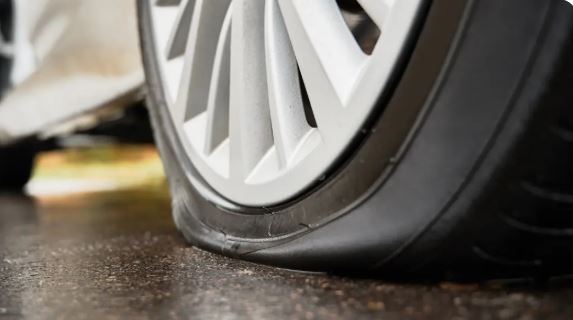
A puncture is the most common problem visitors face on a self-drive trip, and it rarely ruins a holiday if you know what to do. This guide explains how to handle a flat tire in Rwanda calmly and safely, from the first wobble to getting the tyre repaired. It also covers what to check before you leave Kigali, so you are ready if it happens.

Before you set off: the five-minute tyre check
Most roadside stress comes from discovering, too late, that the spare is flat or the jack is missing. So check these items at the vehicle handover, before you sign.
- The spare tyre is inflated and in good condition.
- The jack, wheel spanner and any locking-nut key are in the car.
- A warning triangle and reflective vest, if supplied, are on board.
- All tyres have good tread and no visible cuts or bulges.
- You know where the jack points are; ask the agent to show you.
Also save the rental company’s emergency number in your phone. Then you are ready for most situations.
What to do the moment you get a flat tire in Rwanda
You will usually feel a puncture before you see it. The steering pulls to one side, the ride becomes bumpy, or you hear a flapping sound. Stay calm and follow these steps.
- Grip the wheel firmly and keep the car straight.
- Do not brake hard. Ease off the accelerator and slow down gradually.
- Turn on your hazard lights.
- Pull over to a flat, firm spot well away from traffic. Avoid stopping on a bend or the brow of a hill.
- Apply the handbrake and get passengers out on the side away from the road.
- Place the warning triangle well behind the vehicle so drivers have time to react.
Driving on a flat for long can destroy the tyre and damage the wheel. So stop as soon as it is safe, even if you are close to your destination.
Changing the wheel step by step
If you are confident and the spot is safe, changing a wheel takes about 20–30 minutes. If you are unsure, call the rental company first.
- Wedge a large stone against the wheel diagonally opposite the flat to stop the car rolling.
- Loosen the wheel nuts slightly while the tyre is still on the ground.
- Place the jack at the correct lifting point and raise the car until the tyre clears the ground.
- Remove the nuts fully and slide the wheel off.
- Fit the spare, then hand-tighten the nuts.
- Lower the car and tighten the nuts firmly in a star pattern.
- Store the damaged tyre and all tools back in the vehicle.
On a heavy Land Cruiser, the wheels are large and the spare is often mounted on the rear door or underneath. As a result, ask for a quick demonstration at pickup, because it saves a lot of fumbling later.
When not to change it yourself
Sometimes the safest choice is to wait for help. Do not change a wheel in these situations:
- You are stopped on a narrow bend or a busy highway with no shoulder.
- It is dark and you have no safe place to work.
- The ground is soft mud or a steep slope.
- You are inside a national park near wild animals.
- The spare is also damaged or flat.
In these cases, stay with the vehicle where it is safe, and call your rental company for advice.
A flat tire in Rwanda’s national parks
Parks need extra care. In Akagera, for example, you should stay inside the vehicle except at designated points. If you get a puncture there, call the park reception or your rental company before getting out. Rangers know the area and can advise whether it is safe.
Park tracks are where most punctures happen, because of sharp stones and thorns. So drive slowly on rough sections and avoid driving over sharp branches. A Land Cruiser Safari with strong tyres reduces the risk on these tracks.
Getting the tyre repaired
After fitting the spare, you are driving without a backup. So get the damaged tyre repaired as soon as possible. Small tyre repair workshops are common in Rwandan towns and along main roads. Ask the mechanic to check the inside of the tyre too, since a hidden thorn can cause a second puncture.
Before paying for a repair or replacement, however, contact your rental company. Many rental agreements have rules about tyre repairs, and some charges may not be covered. It is best to confirm what to do, and keep the receipt.
Questions to ask your rental company
- Can I use a local repair shop, or should I wait for your team?
- Are tyre repairs or replacements covered under my agreement?
- Will you reimburse a repair if I keep the receipt?
Reducing the risk of punctures
You cannot prevent every flat, but good habits make one much less likely.
- Keep to sensible speeds on gravel and dirt roads.
- Avoid potholes and sharp stone edges where you can.
- Check tyre pressure every few days on long trips.
- Do not overload the vehicle with luggage or camping gear.
- Plan to finish driving before dark, when hazards are harder to see.
Our road trips in Rwanda page has more advice on planning safe routes.
Prefer not to deal with it? Take a driver
If the thought of changing a heavy 4×4 wheel worries you, a driver is a good option. Drivers handle punctures quickly and know local repair shops along the main routes. Our car hire with driver service lets you enjoy the trip without the mechanical worries. Alternatively, self-drive travellers can read our self drive Rwanda guide for more tips.
Frequently asked questions
Will I be charged for a flat tire?
It depends on your rental agreement. Tyres are sometimes excluded from insurance, so check before you travel.
Can I keep driving on the spare?
Yes, but get the original tyre repaired quickly so you have a backup again.
What if I get a flat at night?
Pull over somewhere safe, switch on hazards, and call your rental company before attempting a change.
Do rental 4x4s carry two spare tyres?
Some safari vehicles do. Confirm the setup for your vehicle in your quote.
Drive with confidence
We will show you the spare, jack and tools at handover, and answer any questions before you go. WhatsApp or call +250 725 074659, or email info@4x4carrentalrwanda.com.