
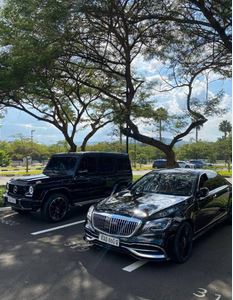
The fifteen minutes you spend checking your hire car in Kigali can save you hours on a mountain road later. A careful Rwanda rental car inspection also protects your deposit, because every scratch you record now cannot be blamed on you later. Use this checklist at pickup, whether you collect in the city or at the airport.
Why a Rwanda Rental Car Inspection Matters
Rwanda’s main roads are good, but park tracks are another story. Murram roads near Akagera, volcanic stone around Musanze and long climbs toward Nyungwe all test tyres, brakes and cooling systems. So a small fault at handover can turn into a real problem 200 kilometres later.
The inspection does two jobs. First, it confirms the vehicle is safe and ready for your route. Second, it creates a shared record of the car’s condition, signed by you and the rental staff. Take your time, and never let anyone rush you through it.
What to bring to the handover
- Your phone, fully charged, for photos and video.
- Your driving licence, passport and booking confirmation.
- Your planned route, so staff can flag anything specific to it.
- Good light: daylight pickups make damage much easier to spot.

Step 1: Walk Around the Outside
Start with a slow lap of the vehicle. Begin at the driver’s door and move clockwise, so you do not miss a panel.
- Bodywork: look for dents, scratches and chipped paint, especially on bumpers and lower doors.
- Glass: check the windscreen for chips or cracks, which can spread on rough roads.
- Lights: ask someone to confirm headlights, indicators, brake lights and hazards all work.
- Mirrors: make sure both side mirrors are intact and adjust properly.
- Underneath: crouch down and look for drips of oil or coolant, plus any bent protection plates.
Next, film a slow video of the whole car with today’s date visible on the phone. Then make sure every mark you find is drawn on the handover form before you sign it.
Step 2: Tyres, Spare and Recovery Tools
Tyres matter more in Rwanda than almost anything else, because sharp stones are common off the tarmac. Check each tyre for tread depth, cuts in the sidewall and bulges.
Your tyre and tool checklist
- Tread depth looks even across all four tyres.
- The spare is fully inflated and the same size as the others. Some Land Cruisers carry two spares.
- The jack, wheel spanner and locking-nut key are in the vehicle.
- Two warning triangles are present, as Rwandan law requires.
- A tow rope and fire extinguisher are on board if your route includes park tracks.
Also, ask staff to show you where the jack points are. Learning this in a car park is far easier than in rain at the roadside.
Step 3: Under the Bonnet and on the Dashboard
You do not need to be a mechanic for this part. Instead, you are looking for anything that looks low, leaking or wrong.
| Check | What good looks like |
|---|---|
| Engine oil | Between the marks on the dipstick, not black and sludgy. |
| Coolant | At the level line in the expansion tank, with no crusty leaks. |
| Brake fluid | Near the maximum mark. |
| Washer fluid | Topped up; dusty roads use a lot of it. |
| Battery | Terminals clean and tight, no white corrosion. |
Then start the engine. Every warning light should come on briefly, then go out. If any stays lit, ask about it before you leave. Finally, note the fuel level and mileage on the form.
Step 4: Test Drive and 4WD Engagement
A short drive around the yard or block tells you a lot. Listen for grinding brakes, knocking from the suspension or a slipping clutch.
In particular, test the four-wheel drive. Ask staff to show you how to engage high and low range, then try it yourself. This matters most if you have booked a Land Cruiser Safari for park tracks, because you will need low range on muddy slopes.
Inside the cabin
- Seatbelts lock firmly when tugged.
- Air conditioning blows cold within a minute or two.
- Horn, wipers and washer jets all work.
- Windows and door locks operate on every door.
- Child seats, if booked, are fitted securely.
Step 5: Rooftop Tent and Camping Kit
If you booked a camping setup, check the gear as carefully as the car. Missing tent poles are a long way from a replacement in Akagera.
- Open and close the rooftop tent fully, with staff showing you each step.
- Check zips, rain fly, ladder and mounting brackets.
- Confirm mattresses, sleeping bags and chairs are clean and dry.
- Light the stove once and check the gas canister.
- Test the fridge and ask how the auxiliary battery charges.
Our car rental with camping gear page lists the standard kit, so you can tick items off against it.
Step 6: Documents and Agreement Before You Sign
The last part of a Rwanda rental car inspection is paperwork. Check the glovebox holds the registration, insurance certificate and any cross-border papers you need.
Then read the rental agreement properly. Confirm the return date, fuel policy and what the insurance covers. If you plan a self-drive trip in Rwanda, also confirm which roads and parks the agreement allows.
Finally, save +250 725 074659 in your phone and on WhatsApp before you drive away.
Rwanda Rental Car Inspection FAQ
How long should a proper pickup inspection take?
Plan on 15 to 30 minutes. Camping vehicles take longer, because the tent and kit need checking too.
What if I find damage that is not on the form?
Point it out to the staff, photograph it and make sure it is added before you sign. Do not accept a promise to add it later.
Should I inspect the car again at return?
Yes. Walk around it with staff, compare it to your pickup photos and note the fuel level together.
Is an airport pickup inspection any different?
The checks are the same. However, terminal car parks can be dim at night, so use your phone torch for bodywork and tyres.
Ready to Collect Your Car?
We walk every client through the vehicle at handover and answer questions on the spot. To book a 4×4 and get a full Rwanda rental car inspection at pickup, WhatsApp us on +250 725 074659 or email info@4x4carrentalrwanda.com.