
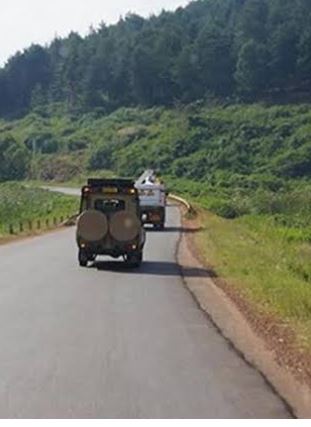
Rwanda travel safety is a real strength. The country is widely regarded as one of the safest in Africa for visitors, and Kigali feels calm and orderly. Still, a rental car brings its own risks, from breakdowns on remote roads to valuables left on a seat. These precautions will help you protect yourself, your passengers and the vehicle.
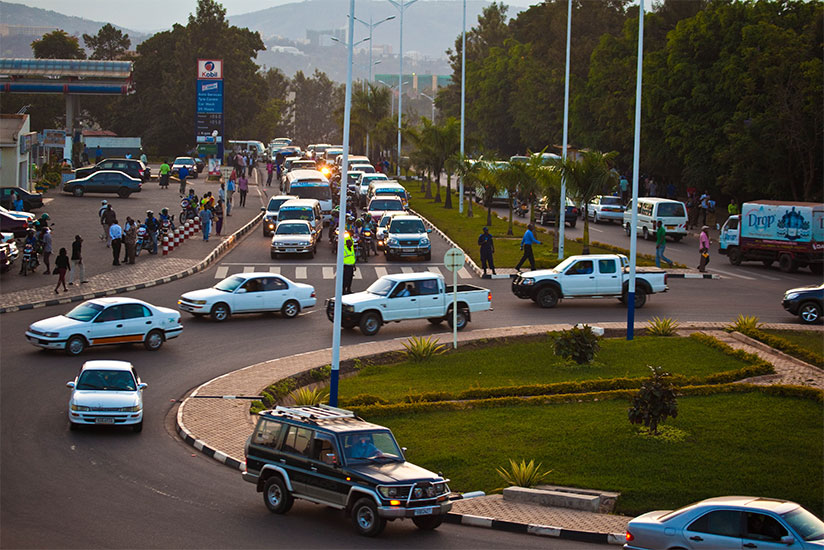
Rwanda Travel Safety: The Big Picture for Drivers
Violent crime against tourists is rare, and police are visible on main roads. As a result, most safety issues for drivers are practical rather than criminal. They include tiredness, wildlife, weather, night driving and the odd opportunistic theft.
So the best precautions are about planning: a sound vehicle, sensible timings and a few good habits. Check your government’s latest travel advice too, especially for areas near borders. Then share your rough itinerary with your rental provider, so they know where to find you if needed.
Before You Drive: Check the Vehicle Properly
Safety starts at handover. Take ten minutes to check the car with the provider before you leave.
- Tyres: tread depth, pressure and a usable spare.
- Brakes: firm pedal and a working handbrake for steep hills.
- Lights: headlights, indicators and hazard lights.
- Seatbelts: every seat, including the back row.
- Safety kit: warning triangles, jack, wheel spanner and first-aid kit.
- Locks: central locking and the boot lock.
If anything is missing or worn, ask for it to be fixed or the car swapped. A reliable 4×4 such as a Land Cruiser Prado also reduces the chance of trouble on rough park roads.
Keeping Valuables and the Car Secure
Petty theft is uncommon but not unknown, mainly at busy markets and trailheads. A few habits make you a much harder target.
Simple habits
- Never leave bags, phones or cameras visible on the seats.
- Lock the car every time, even for a quick stop.
- Put luggage in the boot before you arrive, not in the car park.
- Keep passports and cash on you or in a hotel safe.
Where to park
Use hotel car parks and guarded lots in towns. At gorilla trailheads, local guards often watch the cars; a small tip is customary. Avoid leaving the car overnight on a quiet street.
Timing Your Drives to Stay Safe
Night driving is the single biggest avoidable risk. Rural roads are unlit, and pedestrians, cyclists and livestock use them after dark. Sunset falls around 6 pm all year.
Plan around daylight
Leave early for long legs, such as the 5–6 hour drive to Nyungwe. If a delay means you’ll arrive after dark, consider stopping in the nearest town instead.
Fatigue
Winding hill roads are tiring. So swap drivers every couple of hours if two of you are on the agreement. Stop for coffee and stretch at towns like Musanze or Huye.
Weather
Heavy rain and mist can arrive quickly in the hills. Slow down, use dipped headlights and wait out the worst storms at a safe stop.
Wildlife and Park Safety in a Rental Car
In Akagera you’ll share tracks with elephants, buffalo and hippos. Stay in the vehicle except at marked spots, keep your distance and never get between a mother and her young.
Keep windows partly closed near large animals, and leave room to reverse. Follow ranger advice at the gate about which tracks are open. Our Akagera National Park page has more on the park itself.
Police Checkpoints and Road Rules
You’ll pass police checkpoints on main routes. They’re routine and usually quick. Slow down, greet the officer and show your licence and the vehicle papers if asked.
Officers enforce speed limits strictly, especially the 40 km/h limit in towns. Speed cameras are common, and fines follow the number plate back to the rental company. Wearing seatbelts and avoiding your phone while driving also keeps you out of trouble.
Driving on the right
Rwanda drives on the right. Visitors from left-hand-driving countries should take the first day slowly, especially at roundabouts. If you cross into Uganda, remember that traffic switches to the left.
If Something Goes Wrong
Knowing what to do in advance keeps a problem from becoming a crisis.
Breakdown
Pull fully off the road, switch on hazards and place warning triangles behind the car. Then call your rental provider’s 24-hour number. Stay with the vehicle unless it’s unsafe.
Accident
Check for injuries and call the police. Don’t move the vehicles until officers record the scene, unless they’re blocking traffic dangerously. Next, call your provider and take photos.
Medical issues
Kigali has the best hospitals. Upcountry, district hospitals handle basic care. Carry travel insurance that covers medical evacuation.
Numbers to save
- Police emergency: 112
- Your rental provider’s 24-hour line
- Your hotel or lodge
- Your embassy in Kigali
Rwanda Travel Safety Tips for Families and Solo Travellers
Families should request child seats when booking and keep snacks and water in the car. For long days, plan stops every two hours.
Solo travellers are generally safe in Rwanda. Even so, share your daily route with your hotel or a friend, and check in when you arrive. If you’d feel more at ease with company, consider hiring a car with a local driver for the remote stretches.
For confident independent drivers, our self-drive Rwanda page covers what’s included when you hire.
FAQ
Is it safe for tourists to drive a rental car in Rwanda?
Yes. Roads are generally good and crime against visitors is low. The main precautions are avoiding night driving and keeping valuables out of sight.
Where is the safest place to park overnight?
Hotel or lodge car parks, ideally with a guard. Avoid quiet street parking overnight.
What should I do if my rental car breaks down?
Move off the road, use hazards and triangles, then call the provider’s 24-hour line.
Should I carry cash in the car?
Carry only what you need for the day, and keep it on you rather than in the car.
Travel Safely With Us
We brief every renter on safe driving and hand over a 24-hour number with each car. WhatsApp or call +250 725 074659, or email info@4x4carrentalrwanda.com.