
Sleeping on top of your own 4×4, with the sound of hippos or crickets below, is a very different way to see Rwanda. This Rwanda adventure camping guide shows you how to plan a self-drive trip with a tent: the vehicle, the gear, where to pitch up and how to stay safe. It is written for first-time campers as much as seasoned overlanders.
How a Self-Drive Camping Trip Works
You collect a 4×4 in Kigali fitted with a rooftop tent and a camping kit. Then you drive your own route, stopping at campsites, lodges that welcome campers, or park camping areas. Each evening, the tent unfolds on the roof in a few minutes.
Because your bed travels with you, you are not tied to hotel availability. You can also wake up inside or beside a park, ready for an early drive. That freedom is the main reason travellers choose camping over lodges.
Is camping in Rwanda safe?
Rwanda is one of the safer countries in the region for road travel. Even so, camp only in recognised sites, campsites run by parks or lodges, or places where you have the owner’s permission. Avoid pitching randomly by the roadside, both for security and out of respect for local land.
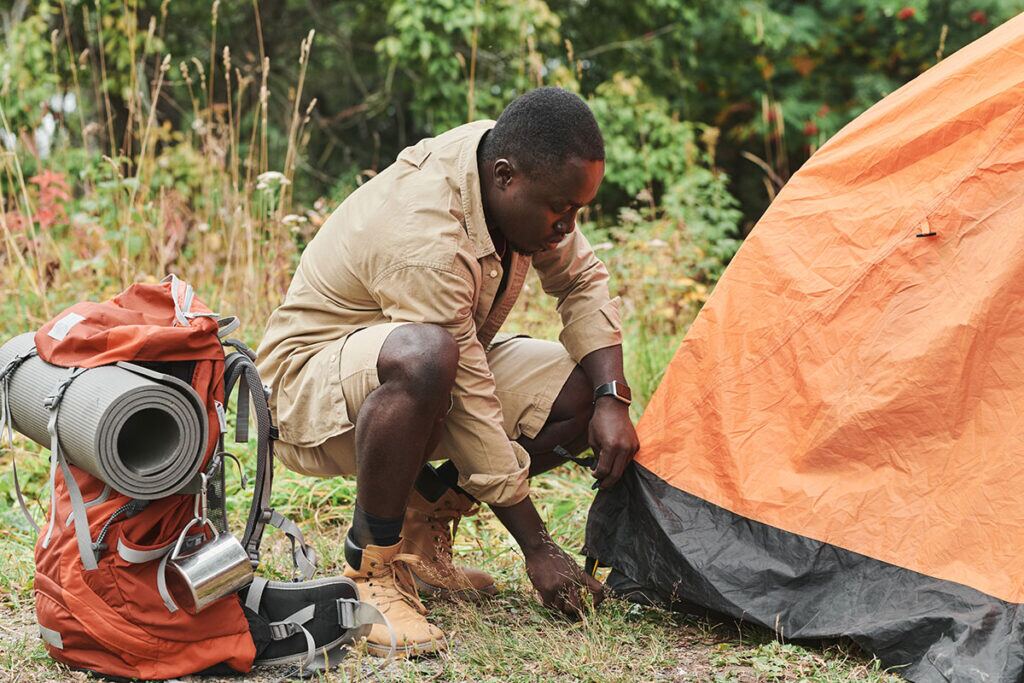
Choosing a Vehicle for Rwanda Adventure Camping
Your car is both your transport and your bedroom, so choose carefully. The key factors are roof strength, ground clearance and storage space.
| Vehicle | Sleeps | Best for |
|---|---|---|
| Toyota RAV4 with rooftop tent | 2 | Couples on mostly paved routes in the dry season |
| Land Cruiser Prado | 2 | Mixed tarmac and park tracks with more comfort |
| Land Cruiser Safari or TXL | 2–4 (roof tent plus ground tent) | Families, rainy season, remote tracks |
| Hilux Double Cab | 2 | Heavy gear, long trips and rough roads |
For most camping routes that include Akagera or rainy-season driving, a Land Cruiser is the safest bet. On the other hand, a RAV4 keeps fuel costs down if you stick to the main roads. The Hilux Double Cab suits campers carrying bikes, fishing kit or extra water.
What Goes in a Camping Kit
A good kit means you only need to add food and personal items. Typical items include:
- Rooftop tent with mattress and ladder.
- Sleeping bags or bedding, plus pillows.
- Camping table and folding chairs.
- Gas stove, cooking pots, utensils and plates.
- Cool box or fridge, depending on the vehicle.
- Water container and basic cleaning supplies.
- Headlamps or a lantern.
Ask exactly what is included when you book, since kits vary by vehicle. Our car rental with camping gear page lists the standard set.
What you should bring yourself
Pack a warm fleece, because nights in the north and in Nyungwe get cold. Also bring rain gear, insect repellent, a first-aid kit, a power bank and quick-dry towels. Buy food and drinking water in Kigali or in district towns before heading to remote areas.
Where to Camp Along a Typical Route
Rwanda is compact, so a camping loop can cover very different landscapes in a week or two.
Akagera National Park
Akagera has designated campsites inside the park, about 2.5 hours from Kigali. Camping here means lions calling at night and early starts on the game tracks. Book sites through the park in advance, and follow ranger advice on fires and food. See our Akagera National Park guide.
Lake Kivu shores
Several lodges and guesthouses along Lake Kivu accept campers. Rubavu is around 3–3.5 hours from Kigali, and the lake road south passes quiet bays and coffee hills. It is a great place to rest between park visits. Learn more on our Lake Kivu page.
Near Volcanoes and Nyungwe
Around Musanze, some lodges allow campers in their grounds, which is handy before an early gorilla trek. Near Nyungwe, ask ahead about camping options, since nights are cool and wet. In both places, confirm your spot before dark.
Setting Up Camp: A Simple Routine
A steady routine makes camp life easy, even after a long drive.
- Arrive with at least an hour of daylight left.
- Park on the flattest ground you can find, nose into the wind.
- Open the rooftop tent and fix the ladder securely.
- Set up the table, stove and lantern next to the car.
- Store food inside the vehicle overnight, never in the tent.
- Lock valuables in the car before you sleep.
In the morning, let the tent air out before folding it, especially after rain. Otherwise damp canvas can smell and grow mould.
Seasons and Weather for Campers
The dry seasons, roughly June to September and December to February, are the easiest for camping. Tracks stay firm, and evenings are pleasant around the fire. However, the rainy months bring heavy afternoon storms.
If you camp in the wet season, keep rain jackets near the door and pitch away from low ground. A full-size 4×4 also matters more, since campsite access roads can turn muddy. Rwanda drives on the right, and you should avoid driving after dark on rural roads.
Keeping Rwanda Adventure Camping Costs Down
Camping saves on accommodation, but a few habits stretch your budget further. First, cook most meals yourself and keep restaurant meals for treats. Second, plan a loop that avoids backtracking, since fuel is a major cost on long trips. Finally, refill water containers at campsites and lodges rather than buying many small bottles.
Also, check campsite fees before you go, because they differ between parks and private sites. Park fees are set by the authorities and change, so confirm current rates when you book.
FAQ: Camping From Your Rental 4×4
Do I need camping experience to use a rooftop tent?
No. We show you how to open, close and secure the tent at handover. Most people are comfortable after the first night.
Can I wild camp anywhere in Rwanda?
No. Stay in official campsites or get the landowner’s permission. Inside national parks, camp only where the park allows.
How many people can sleep in one vehicle?
A rooftop tent usually sleeps two. Families can add a ground tent, which a Land Cruiser carries easily.
Where can I buy camping food?
Kigali supermarkets have the widest range. Musanze, Rubavu and other district towns have markets for fresh fruit, vegetables and bread.
Plan Your Camping Road Trip
Tell us your route, travel dates and how many people will sleep in the vehicle. We will match a 4×4 and kit for your Rwanda adventure camping trip. WhatsApp or call +250 725 074659, or email info@4x4carrentalrwanda.com.