
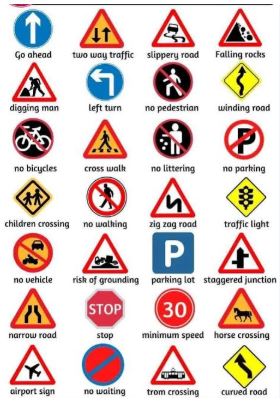
If you have driven in Europe, most Rwanda road signs will look familiar. The shapes and colours follow the international system, so a red circle still means “don’t” and a triangle still means “watch out”. This guide walks you through each sign family, the local quirks that catch visitors out, and how to read the road between Kigali and the parks.
How Rwanda Road Signs Are Organised
Signs fall into four main groups, and you can tell them apart by shape before you can read them. That matters on a winding hill road, where you only get a second to react.
| Shape and colour | Meaning | Example |
|---|---|---|
| Red-bordered circle | Prohibition: you must not do this | Speed limit, no overtaking, no entry |
| Blue circle | Mandatory: you must do this | Keep right, roundabout ahead, direction to follow |
| Red-bordered triangle | Warning: hazard ahead | Sharp bend, steep hill, pedestrian crossing |
| Rectangle (blue, green or white) | Information and direction | Town names, distances, hospitals, fuel |
Two shapes stand alone. An octagonal red STOP sign means a full stop at the line, even if the road looks empty. An inverted triangle means give way to traffic on the main road.
Prohibition Signs: The Ones That Bring Fines
These are the signs police enforce most. Missing one can lead to a fine, so learn them before you leave Kigali.
Speed limits
A number in a red circle is the maximum speed in km/h. Limits drop sharply as you enter towns, villages and school zones. Speed cameras are common on main highways, often just after a lower limit begins. So, slow down as soon as you see the sign, not when you reach the first houses.
No overtaking
Two cars side by side in a red circle mean no overtaking. You will see this often on hill roads to Musanze and Nyungwe, where bends hide oncoming traffic. Solid centre lines carry the same message.
No entry and no parking
A red circle with a white bar means no entry, usually on one-way streets in Kigali. A blue circle with a red diagonal line means no parking. Respect these near hotels and markets, where traffic police patrol often.
Warning Signs on Hill and Park Roads
Rwanda’s hills create plenty of hazards, and warning triangles give you notice. Take them seriously, because the bend or drop is usually sharper than it looks.
- Sharp bend or series of bends: common on the Kigali–Musanze and Huye–Nyungwe roads. Brake before the curve, not in it.
- Steep descent: shift to a lower gear and let the engine slow the car. Riding the brakes downhill can overheat them.
- Pedestrian crossing and children: villages line many highways. Expect people walking on the road edge at all times.
- Speed humps: these appear on entry to almost every town and school. Some are clearly painted; others are not, so watch for the sign.
- Animals crossing: near Akagera and Nyungwe, you may see signs for wildlife. Baboons and monkeys sit on the tarmac in Nyungwe.
- Falling rocks or landslides: more likely in the rainy months, especially in the west and south.
For tips on what to do once you are inside the parks, see our Nyungwe National Park guide.
Direction and Information Signs
Direction signs list town names and distances in kilometres. Main routes are well signed, but signs may name a district rather than the town you know. For example, Musanze was formerly called Ruhengeri, Rubavu is the area around Gisenyi, and Karongi includes Kibuye.
Signs to parks, lodges and hotels are usually clear near the destination. However, side roads to trailheads and smaller lodges may have no signs at all. So, download offline maps before you leave, and ask locals if unsure. People are friendly and helpful with directions.
Planning a scenic route? Our road trips in Rwanda page suggests well-signed loops for first-time drivers.
Rwanda Road Signs in Kigali: Roundabouts and Signals
Kigali has many roundabouts, each marked with a blue circular sign showing arrows. Traffic on the roundabout has priority, so give way before entering. Use your indicator when leaving.
Traffic lights work as in most countries. Some junctions also have a traffic officer, and their hand signals override the lights. If an officer waves you to stop, stop, even on green.
Also watch for moto taxis. They follow the same signs but often filter between lanes. Check your mirrors before every turn or lane change. If you would rather not drive in the city, our Kigali airport transfers can get you to your hotel first.
Road Markings and Unwritten Signals
Painted lines matter as much as signs. A solid white centre line means no crossing or overtaking. A broken line means you may overtake when it is safe. Zebra crossings give pedestrians priority, and drivers in Kigali do stop for them.
Local drivers also use a few informal signals:
- A quick flash of headlights often means “I am coming through” rather than “go ahead”.
- A hand waved downward from a car window means “slow down, hazard ahead”.
- Leafy branches placed on the road usually warn of a broken-down vehicle or accident.
When in doubt, slow down and let the other driver go first. Patience costs you a minute, while a misread signal can cost far more.
Frequently Asked Questions
Are Rwanda road signs in English?
Most signs use symbols, so language is rarely a problem. Written signs may appear in Kinyarwanda, English or French, and place names are usually clear.
Which side of the road do you drive on in Rwanda?
Rwanda drives on the right. Remember that Uganda, Kenya and Tanzania drive on the left, so take care if you cross a border.
How do I know the speed limit if there is no sign?
Assume a low limit in any town, village or school area. On open roads, follow the last limit you saw, and slow down for bends and speed humps.
What should I do if police stop me for a sign offence?
Stay polite, show your licence and rental papers, and ask how to pay the fine. Fines are usually paid by mobile money or at a bank, and you should keep the receipt.
Drive Rwanda with Confidence
Our team gives every self drive client a short route briefing before handover. Ask us about signs and hazards on your planned roads. WhatsApp or call +250 725 074659, or email info@4x4carrentalrwanda.com.