
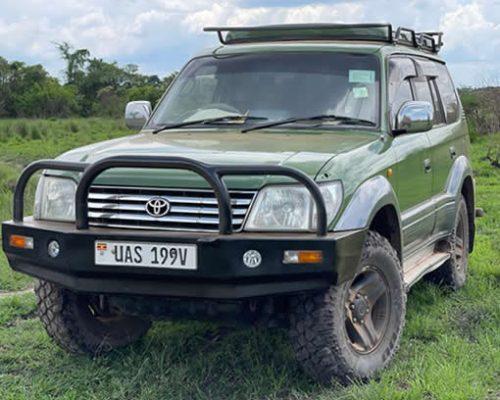
This Akagera driving guide covers the rules you’ll follow once your rental car passes the park gate. Akagera is one of the few places in East Africa where you can do a full game drive in your own vehicle. However, the park has its own regulations, and knowing them before you arrive keeps you, the wildlife and your deposit safe.
Getting to the Gate From Kigali
The drive from Kigali to the main southern gate takes about 2.5 hours on good tarmac via Kayonza. The last section is gravel, but a well-maintained one. Leave Kigali early, ideally by 5:30 or 6 am, so you reach the park while animals are most active.
Paying fees at reception
At the gate, you register, pay park entry and any vehicle fee, and pick up a map. Fees are set by the park and change, so check current rates before you travel. Reception staff will also tell you which tracks are open, because some close after heavy rain.
Akagera Driving Guide: The Core Park Rules
These rules apply to every vehicle inside the park, whether self-drive or guided.
| Rule | What it means for you |
|---|---|
| Speed limit 40 km/h | Drive slowly on all tracks; animals step out without warning. |
| Stay on marked tracks | No off-road driving to get closer to animals. |
| Keep your distance | Stay at least 20 metres from large mammals like elephants and buffalo. |
| Stay in the vehicle | Only get out at designated spots, such as picnic areas. |
| Daylight only | Leave the park, or reach your lodge or campsite, before dark, typically by 6 pm. |
| No feeding or noise | Never feed animals, play loud music or honk at wildlife. |
Rubbish and fires
Take all litter back out with you, including fruit peel and bottle caps. Animals that learn to raid bins become a danger to themselves and visitors. Also, never light fires outside designated campsites, because dry-season grass burns fast.
Why speed matters so much
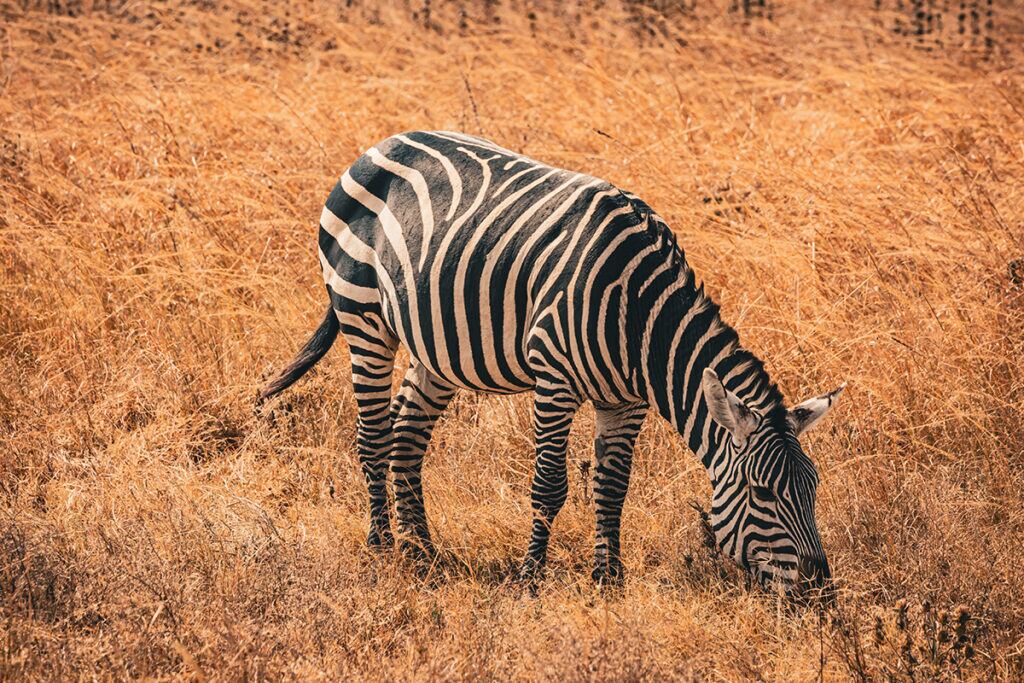
At 40 km/h you still have time to stop for a warthog or a crossing zebra. You also see far more. Most visitors find that 20–30 km/h is the sweet spot for spotting game.
Wildlife Right of Way and Close Encounters
In Akagera, animals always have priority. If an elephant or buffalo is on the road, stop, switch off and wait. Don’t try to squeeze past.
Elephant etiquette
Elephants are the animals most likely to make you nervous. Watch for flapping ears, head shaking or a mock charge. If you see these signs, start the engine calmly and back away slowly. Always leave yourself space to reverse.
Predators and rhinos
Lions and rhinos were reintroduced to the park, and sightings draw a crowd. Keep your engine off and voices low. Give other vehicles a fair turn at the viewing spot.
Choosing the Right Rental Car for Akagera
The northern and central tracks are gravel with some sandy, rutted or muddy sections. A higher vehicle also gives a better view over the grass.
Good options
- Toyota RAV4: fine for dry-season drives on the main tracks, and easy on fuel.
- Land Cruiser Prado: more clearance and comfort for longer circuits.
- Land Cruiser Safari with pop-up roof: the best choice for photographers and groups.
Check the car before you enter
There is no breakdown service inside the park. So check tyre pressure and the spare, carry a jack and know how to engage 4WD. Also fill the tank in Kayonza, because there is no reliable fuel near the gate.
Akagera Driving Guide to Planning Your Day
Akagera is long and narrow. The south has lakes, the centre has woodland and the north opens into plains with the best big game. A full north-south circuit takes most of a day.
A sample day
- Enter at sunrise and drive the lakeside tracks in the south.
- Head north through the centre by late morning.
- Picnic at a designated spot.
- Explore the northern plains in the afternoon.
- Exit via the northern gate or return south before dark.
If you’d like a slower pace, spend a night inside or near the park. Our 2-day Akagera safari shows how to split the drive.
Hiring a ranger guide
You can hire a freelance park guide at reception to ride in your vehicle. Guides know where lions were seen recently and how to read the tracks. Many self-drivers find a guide doubles their sightings.
The boat trip on Lake Ihema
The park also runs boat trips on Lake Ihema, where you’ll see hippos, crocodiles and water birds. Park your rental at the jetty and book at reception.
Family Travel and Comfort Inside the Park
Children love Akagera, but long game drives can be tiring. Keep everyone seated with seatbelts on, even at low speed. Ask for a child seat when you book.
Keep windows partly up near large animals, and never let children lean out. Pack plenty of water, snacks, sunscreen and binoculars. A cool box makes the day much more comfortable.
Camping in Akagera
The park has campsites, and a rooftop tent makes overnight stays simple. Ask us about a 4×4 with camping gear if you’d like to wake up inside the park.
For more on the park itself, see our Akagera National Park page.
FAQ
Can I self-drive in Akagera with a rental car?
Yes. Self-drive game drives are allowed, provided you follow park rules and stay on marked tracks.
What is the speed limit inside Akagera?
The limit is 40 km/h on all park tracks, though slower driving gives better sightings.
Can I drive in Akagera at night?
No. Self-drive is daylight only, so plan to exit or reach your camp before dark.
Do I need 4WD in the dry season?
Not always on the main tracks, but higher clearance helps on sandy and rutted sections. In the wet season, 4WD is strongly recommended.
Book Your Akagera Vehicle
We’ll match the right 4×4 to your Akagera plans and brief you on the park before you go. WhatsApp or call +250 725 074659, or email info@4x4carrentalrwanda.com.