
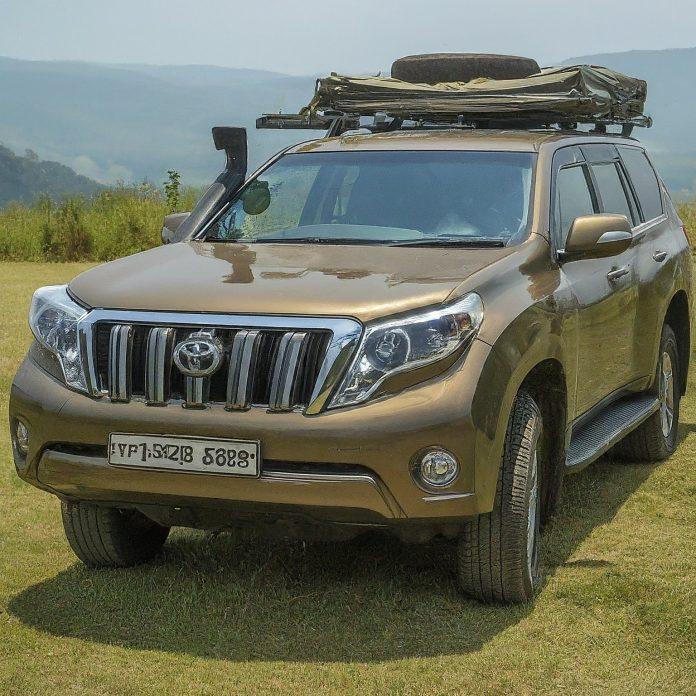
Musanze is the base for gorilla trekking, and the roads around it are a mix of smooth tarmac and rough volcanic tracks. This Volcanoes driving guide explains each stretch you are likely to drive, from Kigali up the hills to Kinigi and on to the trekking trailheads. Use it to plan timings, pick the right car and avoid a stressful 6 a.m. dash to the park briefing.
Kigali to Musanze: The Main Highway
The drive north from Kigali takes about 2–2.5 hours. The road is tarmac all the way and in good condition. However, it is far from straight, so plan on a steady pace rather than a fast one.
What the drive is like
You leave the city through Nyabugogo, then climb into steep, terraced hills. The road winds through busy trading centres where speed limits drop and speed cameras are common. Expect bicycles carrying heavy loads, pedestrians on the verge and slow trucks on the climbs.
About halfway, many drivers stop at the roadside shops near Nyirangarama for a snack and a stretch. After that, the road climbs again before the view opens up to the Virunga volcanoes. On a clear day, it is one of the most scenic drives in Rwanda.
Tips for this stretch
- Leave Kigali early or after 9 a.m. to miss the worst city traffic.
- Overtake only on clear, straight sections. Blind bends are frequent.
- Remember that Rwanda drives on the right.
- Fill up in Kigali or Musanze. Both have plenty of fuel stations.
Musanze to Kinigi Park Headquarters
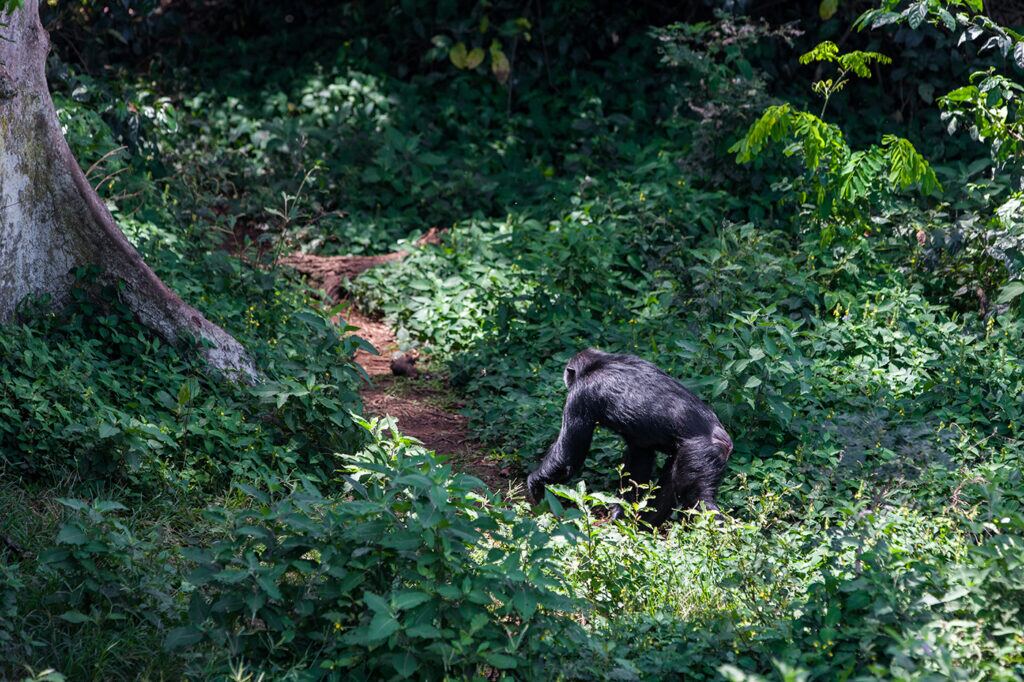
Gorilla trekkers meet at the Volcanoes National Park headquarters in Kinigi, north of Musanze town. The road is tarmac and the drive usually takes 20–30 minutes. Even so, it is the most time-sensitive drive of your trip.
The morning briefing starts early, usually around 7 a.m. So if you stay in Musanze, leave by about 6:15 a.m. If you stay at a lodge near Kinigi, you can sleep a little longer. Either way, confirm the reporting time when you book your permit.
Driving in the early morning
Mist often hangs low over the fields at dawn. Use dipped headlights, keep speeds low and watch for farmers walking to work. Children also walk to school along this road, so stay alert near villages.
Trailhead Tracks: Where You Really Need a 4×4
After the briefing, each group drives to its own starting point. This is where this Volcanoes driving guide matters most. Some trailheads are a short hop on fair gravel. Others sit at the end of rough, rocky tracks made of volcanic stone.
These tracks can take 30 minutes to over an hour. They are bumpy in the dry season and slippery after rain. Deep ruts and loose rocks are common, and some climbs are steep.
Which vehicle handles it best
| Vehicle | Trailhead tracks | Notes |
|---|---|---|
| Land Cruiser Prado | Very good | Comfortable and capable for couples and families |
| Land Cruiser Safari | Excellent | High clearance for the roughest tracks |
| Toyota RAV4 | Fair in dry weather | Fine for most, but struggles on wet or steep tracks |
If you are unsure, choose a Land Cruiser for trekking days. It removes the risk of being stuck while your group walks off without you.
Parking at the trailhead
You will park in a field or a simple clearing. Lock the car, take valuables with you and turn the vehicle to face downhill if you can. As a result, leaving is easier when your legs are tired.
What to keep in the car
Pack a change of socks, a towel and drinking water for the return drive. Muddy boots can go in a plastic bag. Also keep some snacks handy, because treks can run longer than planned and the nearest shop may be far away.
Volcanoes Driving Guide to Other Roads Around Musanze
Musanze is also a hub for several short drives. Here are the ones visitors use most.
Musanze to Rubavu and Lake Kivu
This tarmac road runs west and takes about 1–1.5 hours. It passes farmland and volcano views before dropping steeply to the lake. Use a low gear on the long descent to save your brakes.
Musanze to the Cyanika border
The road north to Cyanika takes around 30–40 minutes. From there, you can cross into Uganda for Mgahinga or Bwindi. Remember that Uganda drives on the left, and you need cross-border paperwork arranged before you go.
The Twin Lakes of Burera and Ruhondo
The lakes lie east of Musanze. Roads here are mostly dirt and can be narrow and steep. They reward you with stunning views, but a 4×4 is the wise choice.
Weather and Seasons on Volcanic Roads
The Musanze area is cooler and wetter than Kigali. Rain can fall in any month, but the heaviest spells come from March to May and from October to November.
- In the dry months, tracks are dusty. Close the windows and keep a safe gap behind other cars.
- In the wet months, volcanic soil turns slick. Use 4WD early, before you need it.
- Fog can drop visibility quickly, especially near Kinigi in the early morning.
Gorilla Tour Rwanda covers the best time to visit Rwanda for gorilla trekking if you are still choosing dates.
Self-Drive or a Driver for Volcanoes?
Many travellers self-drive the highway and then hire a driver for trekking day. A local driver knows each trailhead, handles the rough tracks and can wait with the car. If you prefer to drive the whole way, our self-drive Rwanda service includes a full vehicle briefing at pickup. Our Volcanoes National Park page has more on the park itself.
FAQ: Volcanoes Driving Guide Questions
Can I drive myself to the gorilla trekking trailhead?
Yes. Rangers will tell you where to go after the briefing. A 4×4 is strongly advised, as some tracks are rough and steep.
What time should I leave Musanze on trekking day?
Aim to leave around 6:15 a.m. for a 7 a.m. briefing at Kinigi. Check your permit for the exact time.
Is the Kigali to Musanze road safe at night?
It is tarmac, but it is winding and poorly lit in places. We recommend driving it in daylight.
Do I need a permit to drive to Kinigi?
No permit is needed for the road. You only need a gorilla permit, currently US$1,500, to trek.
Book Your Musanze Vehicle
Tell us your trekking date and where you are staying, and we will match you with the right 4×4. WhatsApp or call +250 725 074659, or email info@4x4carrentalrwanda.com.