Planning an unforgettable holiday in the Land of a Thousand Hills requires secure booking through…
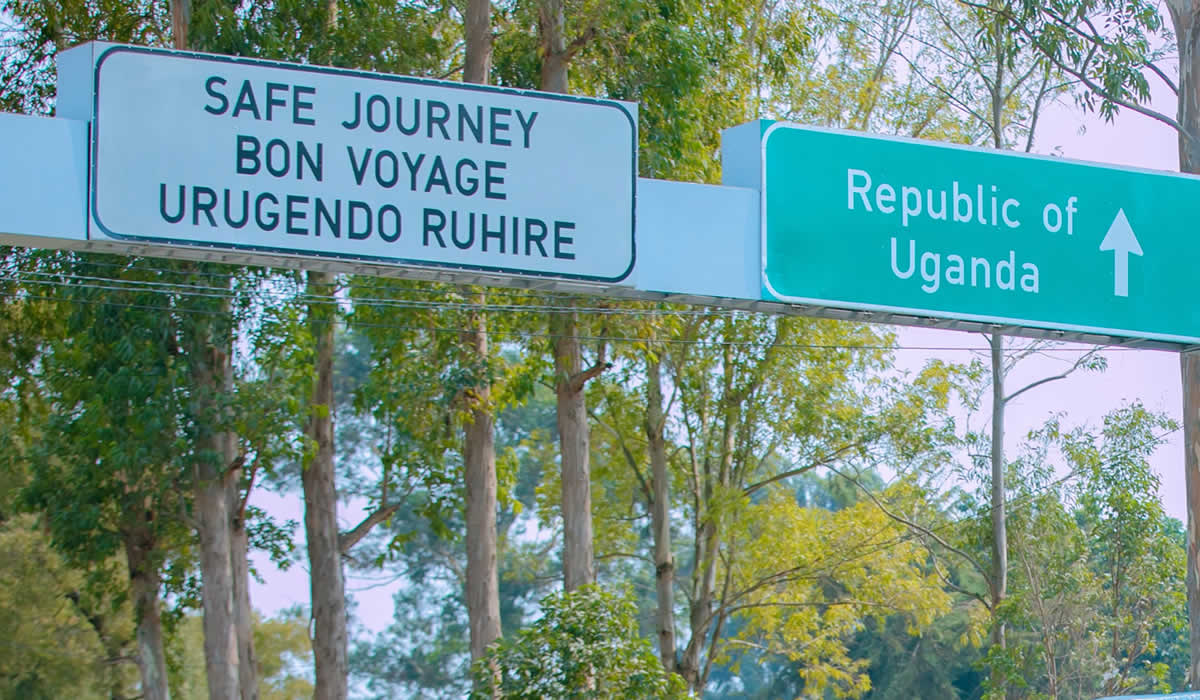
Cross-Border Safari: Rwanda into Uganda via Cyanika or Katuna
Rwanda’s gorilla trekking experience in Volcanoes National Park is rightly considered one of Africa’s most exceptional wildlife encounters. Yet for seasoned safari travellers, there is often a desire to go further, to extend the forest narrative and deepen immersion in the region’s extraordinary biodiversity. A cross-border safari into southwestern Uganda offers precisely that, expanding the experience into a richer, more varied primate and landscape circuit.
By continuing into Uganda, travellers gain access to Bwindi Impenetrable National Park, the tranquil highland waters of Lake Bunyonyi, and the remote Ishasha sector of Queen Elizabeth National Park, renowned for its tree-climbing lions. Together, these destinations form one of East Africa’s most compelling multi-country safari circuits, blending rainforest, highland lake, and savannah into a single, seamless narrative.
Two primary border crossings facilitate this journey. The Cyanika crossing near Musanze in Rwanda leads into Uganda’s Kisoro district, while Katuna, near Gatuna, connects to Kabale. Both are generally efficient for tourists carrying valid passports. Many travellers benefit from the East Africa Tourist Visa, a practical option that allows multiple-entry travel across Rwanda, Uganda, and Kenya on a single $100 permit, simplifying logistics considerably.
Day 1 — Kigali to the Border and on to Lake Bunyonyi
The journey begins in Kigali, a city known for its order, cleanliness, and gentle hills. After breakfast, travellers depart by road toward the chosen border crossing. The Cyanika route via Musanze is particularly scenic, weaving past the dramatic volcanic silhouettes of the Virunga Mountains, which straddle Rwanda, Uganda, and the Democratic Republic of Congo.
Following border formalities, the road climbs into Uganda’s cool southwestern highlands. By afternoon, travellers arrive at Lake Bunyonyi, a place of quiet, almost meditative beauty. Set at roughly 1,962 metres above sea level, the lake is dotted with 29 islands and framed by steep, terraced hillsides. Its name, meaning “place of many little birds,” quickly proves fitting.
The evening is best spent unwinding at a lakeside lodge or island retreat. As the light softens, a canoe excursion offers a gentle way to explore the lake’s inlets and papyrus-lined edges. The stillness is striking, with only birdsong and the rhythmic dip of paddles breaking the silence.
Days 2–3 — Gorilla Trekking in Bwindi Impenetrable Forest
From Lake Bunyonyi, it is a short drive to Bwindi Impenetrable National Park, one of Africa’s most biologically diverse rainforests and a UNESCO World Heritage Site. Bwindi protects nearly half of the world’s remaining mountain gorillas, making it one of the most important conservation areas on the continent.
The park is divided into four trekking sectors, Buhoma, Ruhija, Rushaga, and Nkuringo, each offering a slightly different terrain and experience. Gorilla trekking itself can vary from a relatively short hike to a demanding full-day journey through dense forest, depending on the location of the assigned gorilla family.
Accompanied by experienced rangers, visitors track the gorillas through thick vegetation until the moment of encounter. The experience is quiet, intimate, and deeply affecting. A silverback resting in the undergrowth, juveniles tumbling nearby, mothers tending to infants, these moments unfold with a calm familiarity that feels both wild and profoundly human.
Time with the gorillas is limited to one hour, yet it leaves a lasting impression. A second trekking day is highly recommended, allowing for a deeper appreciation of both the gorillas and the forest itself. Beyond gorillas, Bwindi is rich in other primates and birdlife, offering optional guided walks and chimpanzee tracking experiences.
Accommodation here ranges from comfortable lodges to upscale forest retreats, many with fireplaces that provide welcome warmth during the cool highland evenings.
Days 4–5 — Ishasha: Tree-Climbing Lions
Leaving the forest behind, the journey descends toward the Ishasha sector of Queen Elizabeth National Park. The transition is dramatic, from dense rainforest to open Savannah, from cool mist to warm, sunlit plains.
Ishasha is best known for its unique population of tree-climbing lions. These lions are often seen lounging in the branches of large fig trees, their bodies draped casually across limbs, tails hanging loosely below. The behaviour is still not fully understood, though it is thought to help them avoid insects and heat, or simply to provide a vantage point.
Game drives through this region reveal a classic Savannah ecosystem, with buffalo, Uganda kob, elephants, warthogs, and occasionally leopards. The Ishasha River adds another dimension, attracting hippos and a rich variety of birdlife.
Spending two nights here allows travellers to fully absorb the rhythm of the landscape. Evenings are especially memorable, with distant hyena calls, the low grunts of hippos, and a sky dense with stars.
Day 6 — Return to Kigali via Katuna
The return journey leads south through Uganda’s highlands toward the Katuna border crossing. Passing through Kabale, travellers often pause for lunch before completing exit formalities.
From the border, the drive back to Kigali takes approximately two to three hours, winding through Rwanda’s iconic terraced hills. The landscape gradually shifts from rural calm to the structured energy of the capital, marking the end of a journey that has traversed forests, lakes, and Savannah.
This itinerary works best over six to seven days and is ideally arranged through a registered tour operator familiar with cross-border logistics. Gorilla permits should be secured well in advance, particularly during peak travel seasons from June to September and December to February.
Travellers should pack for varying climates, including warm layers for highland evenings and lighter clothing for the Savannah. The East Africa Tourist Visa remains the most efficient option for multi-country travel within the region.
Related Posts