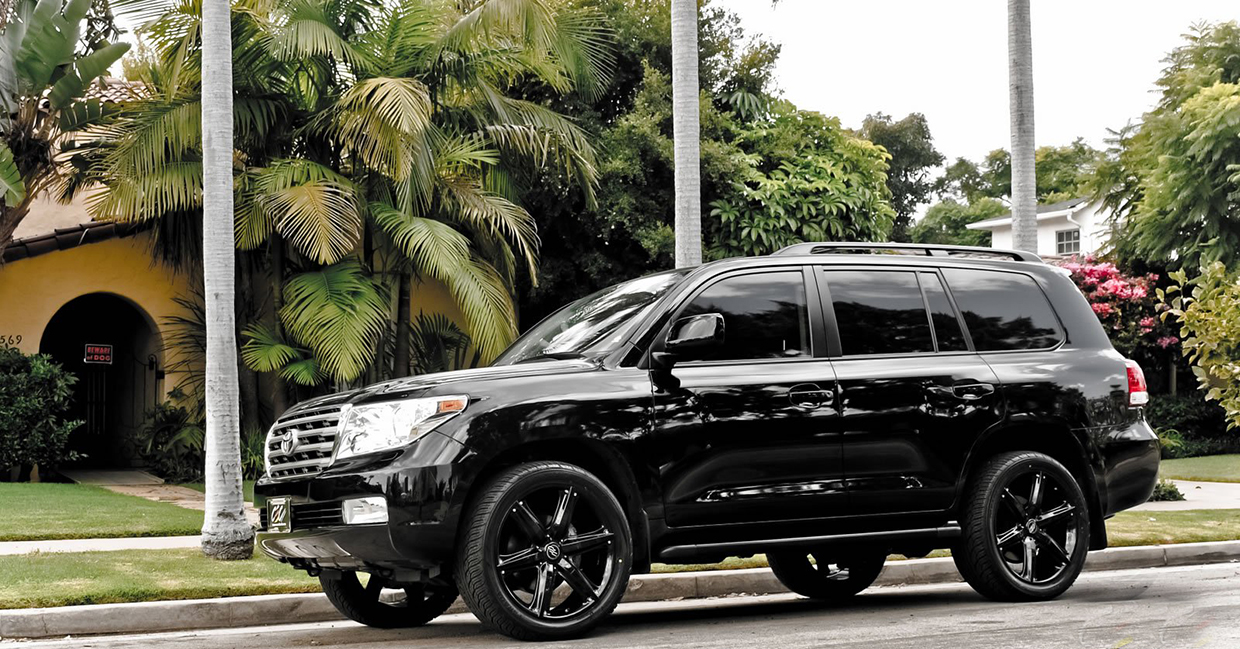
Kigali priority car hire help desks established for special guests represent a major upgrade for…
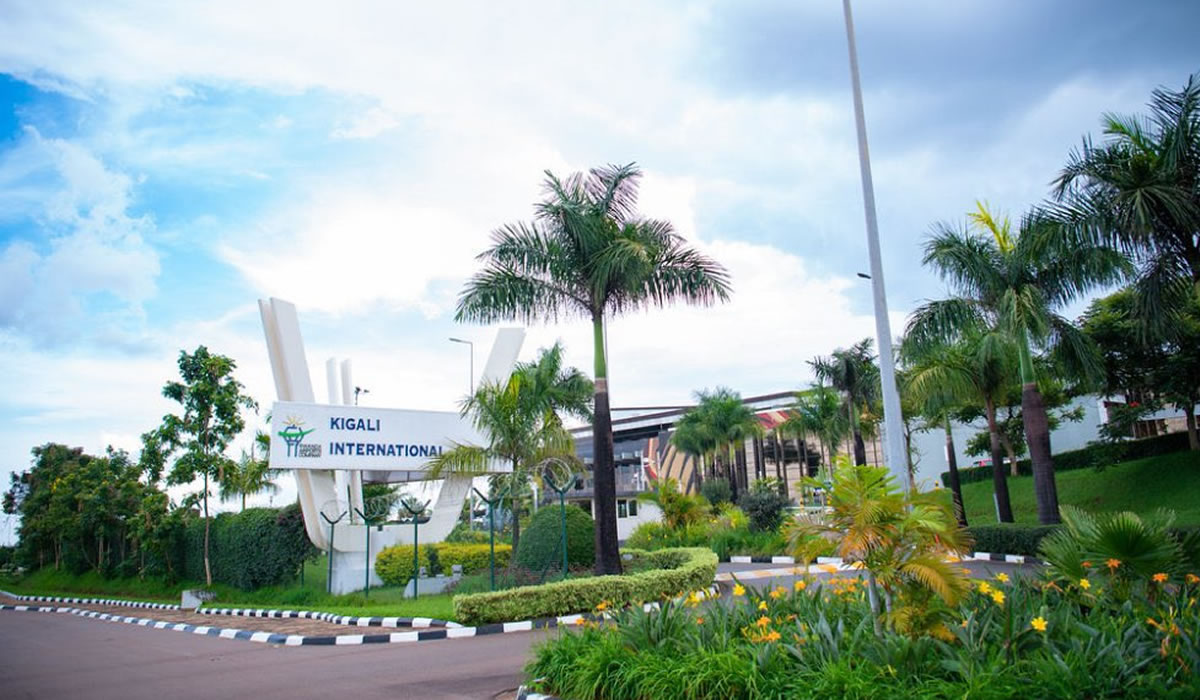
Airport Car Hire in Kigali | What to Expect at Kigali International Airport
Touching down in Rwanda’s capital is a moment that stays with you. The air is clean, the hills roll endlessly in every direction, and the city below hums with an energy that is modern, orderly, and unmistakably African. But before you can take any of it in properly, you need to get moving — and how you do that sets the tone for everything that follows. For most visitors and returning residents alike, Airport Car Hire in Kigali International Airport is the smartest first move they make. Here is a thorough guide to what you can expect.
The Airport Itself: A Quick Orientation
Kigali International Airport — officially Kigali International Airport (KGL), though you will often hear it referred to as Kanombe Airport by locals — sits roughly ten kilometres east of the city centre. It is Rwanda’s primary international gateway, handling flights from major African hubs such as Nairobi, Addis Ababa, Johannesburg, Dar es Salaam, and Entebbe, as well as long-haul connections via RwandAir and partner airlines.
The terminal is compact, clean, and efficiently run. Immigration queues move at a reasonable pace, and Rwanda’s e-visa system means most travellers arrive with their paperwork already sorted. Once you collect your luggage and clear customs, you step into the arrivals hall — and it is here that your car hire journey properly begins.
Finding Car Hire Services at the Airport
Unlike some of the larger international airports on the continent, Kigali does not have a dedicated car rental concourse with dozens of competing desks lined up side by side. The airport is mid-sized, and the rental landscape reflects that.
Desk-based operators are present in and around the arrivals area, though the selection is more limited than you might expect compared to, say, Nairobi or Johannesburg. You will find a handful of counters representing both international brands and local Rwandan companies. International names such as Avis and Europcar have had a presence here, though availability and exact representation can shift, so it is worth confirming in advance.
Local and regional operators often offer more competitive rates and a more personalised service. Companies such as Rwanda Car Rental, Kigali Car Hire, and various smaller operators are well established and frequently used by both tourists and business travellers. Many of these can arrange airport pickup directly, meeting you in the arrivals hall with a sign bearing your name — a smooth, stress-free introduction to the city.
Pre-booking is strongly advised. Walk-in availability at the airport can be limited, particularly during peak travel periods such as the gorilla trekking high seasons (June to September and December to February) and around major conferences or events in Kigali. Reserving your vehicle online or by phone before you fly ensures you get the car class you want at a price you have already agreed to.
What Types of Vehicles Are Available?
The Rwandan terrain and road network shape the vehicle options more than anything else. While Kigali’s urban roads are well maintained — Rwanda is frequently praised as one of Africa’s cleanest and best-organised countries — venturing beyond the city quickly introduces you to hilly, sometimes unpaved terrain.
Saloon and compact cars are perfectly suitable if your trip is confined to Kigali and its immediate surroundings. A Toyota Corolla, Vitz, or similar model will handle city driving comfortably and return decent fuel economy.
SUVs and 4×4 vehicles are the most popular hire category among international visitors, and for good reason. A Toyota RAV4, Land Cruiser Prado, or Nissan Patrol gives you the ground clearance and traction to reach Volcanoes National Park in the northwest, Nyungwe Forest in the southwest, or Akagera National Park in the east — three of the country’s flagship wildlife destinations. If a gorilla trek or a safari is anywhere on your itinerary, a 4×4 is not a luxury but a practical necessity.
Minivans and minibuses are available for groups and corporate transfers, often arranged through larger operators or directly with tour companies.
Driver-Guided vs. Self-Drive: Which Is Right for You?
This is one of the most important decisions you will make when hiring a car in Kigali, and it is worth thinking through carefully.
Self-drive is legal and entirely feasible in Rwanda for confident, experienced drivers. Rwanda drives on the right-hand side of the road, and signage is generally clear. A valid international driving permit (IDP) is required alongside your national licence, and you should ensure your hire company is aware of this and provides the appropriate insurance documentation. The main roads connecting Kigali to the national parks are mostly tarmacked and manageable, though distances can be deceptive given the hilly landscape — a 100-kilometre journey can take considerably longer than you might expect.
Chauffeur-driven hire is the more common choice among first-time visitors and business travellers. A local driver brings knowledge that no map app can replicate: awareness of police checkpoints (Rwanda enforces traffic rules seriously), understanding of road conditions after rain, and often a broad familiarity with the sites, communities, and practical realities of getting around the country. Many drivers speak English and French, and some speak additional languages. The additional cost is, for many visitors, money very well spent.
Pricing: What to Budget
Car hire rates in Kigali vary depending on the vehicle class, the hire company, the duration of rental, and whether a driver is included.
As a rough guide, a basic saloon car on a self-drive basis might start from around $40 to $60 USD per day, while a mid-range 4×4 on a self-drive arrangement typically falls between $80 and $130 USD per day. Chauffeur-driven 4x4s generally run from $100 to $180 USD per day, inclusive of the driver’s fee, though rates can rise for premium vehicles or extended journeys.
Fuel is an additional cost and is not typically included. Rwanda’s fuel prices are influenced by its landlocked geography and import costs, so budget accordingly. Insurance — both collision damage waiver (CDW) and third-party liability — should be confirmed as part of your rental agreement before you sign anything.
Negotiating directly with local operators, particularly for multi-day or multi-week rentals, can yield meaningfully better rates than those advertised online. It is also worth asking what is included in the quoted price: some operators include unlimited mileage, while others cap it.
Practical Tips for a Smooth Rental Experience
Inspect the vehicle thoroughly before driving away. Walk around the car with a rental agent and document any existing scratches, dents, or damage on the rental agreement. Photograph everything. This protects you against being charged for pre-existing issues on return.
Understand the fuel policy. Most operators in Kigali work on a full-to-full basis — you receive the car with a full tank and return it full. Check this upfront to avoid surprises.
Keep your documentation accessible. Rwandan police conduct spot checks, and you will need to present your driving licence, IDP, vehicle registration, and insurance at checkpoints. Your hire company should provide all relevant vehicle documents; confirm this before departure.
Use your phone wisely. MTN Rwanda and Airtel Rwanda both offer affordable data SIMs available at the airport. Loading Google Maps or Maps.me with offline data for Rwanda is a straightforward precaution that has saved many a traveller from unnecessary detours.
Respect the traffic laws. Rwanda has strict road rules and enforces them. Seat belts are mandatory. Speed limits are enforced with speed cameras in and around Kigali. Using a mobile phone while driving is illegal. None of this is designed to inconvenience you — it reflects a genuine national commitment to road safety that has made Rwandan roads among the most orderly on the continent.
Beyond Kigali: Making the Most of Your Hire
A hired car does not just solve the problem of getting from the airport to your hotel — it unlocks Rwanda entirely. The country is small enough that you can drive from Kigali to Volcanoes National Park in roughly two and a half hours, to Nyungwe in around five hours, and to Akagera in under two. Having your own vehicle gives you the freedom to stop at the genocide memorials along the way, explore the craft markets of Musanze, or pull over simply because the view across the terraced hills demands it.
For anyone spending more than a few days in Rwanda, independent mobility is transformative. Rwanda rewards the curious traveller who ventures off the main route — and a reliable hired car is what makes that possible.
Final Thoughts
Arriving at Kigali International Airport and stepping out into Rwanda for the first time is an experience full of quiet efficiency and genuine warmth. The car hire process, approached with a little preparation, fits that same description. Book in advance, understand your options, inspect your vehicle, and carry your documents. Do those things, and the road ahead — quite literally — is yours.
Rwanda is a country that rewards those who explore it at their own pace. A hired car from Kigali Airport is simply the best way to begin.
Related Posts