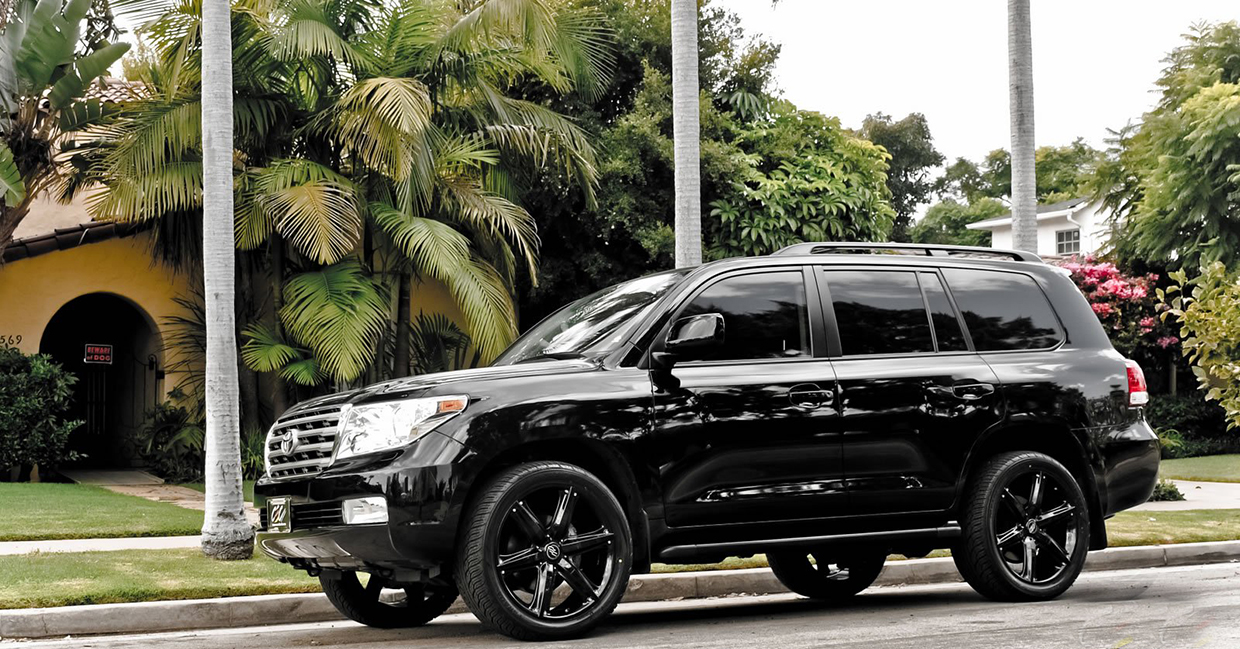
Kigali priority car hire help desks established for special guests represent a major upgrade for…
Planning a Rwanda Road Trip to See Gorillas, Chimps & the Big Five
Rwanda is small enough to drive across in a day, yet rich enough in wildlife to keep a traveller busy for weeks. Nicknamed the Land of a Thousand Hills, it packs mountain gorillas, chimpanzees, and classic Big Five safari action into a country roughly the size of Wales. Better still, paved roads connect every major national park, making a self-drive or guided road trip not just possible but genuinely enjoyable. Here is everything you need to know about planning a Rwanda Road Trip to See Gorillas, Chimps and the Big Five.
Why plan a Rwanda Road Trip?
Flying between parks may save hours, but the road reveals a Rwanda that air travel cannot. The drive from Kigali to Volcanoes National Park, for example, rolls through terraced hillsides, roadside markets fragrant with dried chilli and fresh eucalyptus, and small trading towns where life spills onto the tarmac. Distances are short — Kigali to Volcanoes is roughly 110 kilometres, while the drive south to Nyungwe Forest takes three to four hours. A car gives you the freedom to stop at a tea estate, detour to a local cooperative, or simply pull over and watch the sun sink behind a thousand green ridges.
The Route: A Classic Two-Week Loop
Day 1–2: Kigali — Gateway to the Wild
Start in the capital. Kigali is one of Africa’s cleanest, safest, and most organised cities, and it rewards a day of acclimatisation before you hit the road. Visit the Kigali Genocide Memorial, browse the Kimironko Market for supplies, and eat well — the city’s restaurant scene is genuinely impressive. Collect your hire car, check tyre pressure and spare, and confirm your gorilla and chimpanzee permits, which must be secured well in advance.
Practical note: Car hire companies operate at Kigali International Airport and in the city centre. A 4WD is strongly recommended. Roads to park headquarters are tarmacked, but forest tracks can be slippery after rain.
Day 3–5: Volcanoes National Park — Mountain Gorillas
Drive northwest from Kigali to Musanze (formerly Ruhengeri), the gateway town for Volcanoes National Park. The journey takes around two hours on good tarmac. Park your car at the hotel — most properties near Kinigi offer secure overnight parking — and let the park’s guided system take over.
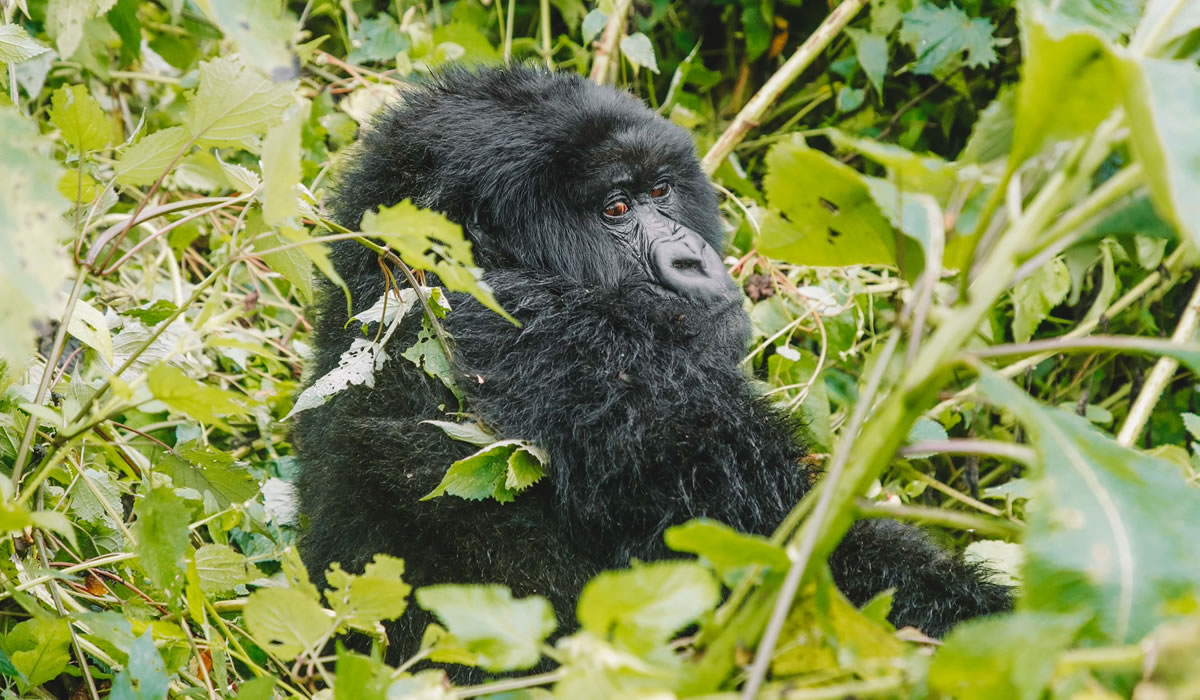
Gorilla trekking is the headline act. Rwanda’s mountain gorillas live in family groups on the slopes of the Virunga volcanoes, a chain of dramatic peaks that straddle the borders of Rwanda, Uganda, and the Democratic Republic of Congo. Each morning, a maximum of eight visitors is assigned to one habituated gorilla family. The trek can last anywhere from forty minutes to four hours depending on where the gorillas have moved overnight, but the moment you crouch in the undergrowth and meet a silverback’s gaze is unlike anything else in wildlife travel.
Gorilla permits in Rwanda cost USD 1,500 per person per trek and must be booked through the Rwanda Development Board, ideally six months to a year ahead. The fee contributes directly to gorilla conservation and community development — a model that has helped Rwanda’s gorilla population grow steadily over recent decades.
Beyond gorillas, the park offers golden monkey trekking, guided volcano hikes (Karisimbi and Bisoke are popular), and the Dian Fossey Gorilla Fund’s Karisoke Research Centre. Budget two nights minimum; three is better.
Day 6–8: Nyungwe Forest National Park — Chimpanzees & Canopy Walks
From Musanze, drive south through the heart of the country. The road passes through Kigali and continues to the Nyungwe highlands — a journey of roughly four to five hours. As altitude climbs and temperature drops, the roadside landscape shifts from banana groves to mist-threaded montane forest.
Nyungwe is one of Africa’s oldest and most biodiverse rainforests, home to thirteen primate species including chimpanzees, Angola colobus monkeys, and the L’Hoest’s monkey. Chimpanzee trekking follows a similar format to gorilla trekking: an early start, a briefing, and a guided walk into the forest. Chimps are noisier and faster than gorillas, swinging through the canopy and calling across the forest in a way that feels thrillingly wild.
The park’s canopy walkway — a 160-metre suspension bridge strung between the treetops at 50 metres above the forest floor — offers a different kind of exhilaration. Walk it in the morning when colobus troops move through the canopy beneath your feet. Birdwatchers will find Nyungwe exceptional: over 300 species have been recorded here, including 29 Albertine Rift endemics.
Stay at Nyungwe Forest Lodge or one of the park-edge guesthouses in Uwinka. Permit fees for chimp trekking are significantly lower than gorilla permits, currently around USD 150 per person, and can be booked through the Rwanda Development Board.
Day 9–11: Akagera National Park — The Big Five
From Nyungwe, drive east back through Kigali and continue to Akagera National Park in the country’s northeast. The drive from Nyungwe to Akagera is the longest leg — allow a full day, around six to seven hours. Break it in Kigali if needed.
Akagera is Rwanda’s savannah park, running along the Tanzania border beside a chain of lakes and papyrus swamps. This is where the classic East African safari landscape reasserts itself: acacia woodland, open grassland, hippos wallowing at dusk, and herds of buffalo moving in clouds of red dust.
The park was once devastated by the aftermath of the 1994 genocide, when returning refugees and their livestock displaced wildlife and poaching went unchecked. The Rwanda Development Board partnered with African Parks in 2010, and the transformation since has been remarkable. Lions were reintroduced in 2015, black rhino in 2017, and the park now offers genuine Big Five viewing — lion, leopard, elephant, buffalo, and rhino — alongside giraffe, zebra, hippo, crocodile, and over 500 bird species.
Self-driving inside Akagera is permitted and rewarding. Pick up a park map at the gate, keep to marked tracks, and plan a morning and an afternoon game drive each day. A boat safari on Lake Ihema is a highlight: hippos cluster in the shallows, African fish eagles cry from the treetops, and shoebill storks hunt in the papyrus margins.
Stay at Ruzizi Tented Lodge or Akagera Game Lodge, both inside the park. Booking ahead during high season (June to September and December to February) is essential.
Day 12–13: Lake Kivu — Rest, Kayak, Celebrate
On the way back west, detour to Lake Kivu. The lake town of Rubavu (formerly Gisenyi) sits on the northern shore, just across the border from the DRC. After days of early starts and forest trekking, Lake Kivu offers rest. Kayak on flat, clear water, swim off a jetty, eat grilled tilapia with cold Mutzig beer, and watch the sun drop behind the volcanic hills of the Congo.
Kibuye (Karongi) further south offers a quieter alternative, with peninsulas and islands that can be explored by wooden motorboat. Either base makes a fine finale before the short drive back to Kigali.
Day 14: Return to Kigali
The drive from Rubavu to Kigali takes about two and a half hours on the main northern road. Return your hire car, pick up souvenirs at Caplaki Crafts Village, and debrief over a meal at one of Kigali’s excellent restaurants. The city’s hills will look different now — you have seen what lies beyond them.
Essential Planning Tips
Best time to go: Rwanda can be visited year-round. The dry seasons — June to September and December to February — offer the best trekking conditions and clearest skies. The long rains (March to May) make forest tracks muddy but thin the crowds considerably.
Book permits early: Gorilla permits sell out months in advance. Contact the Rwanda Development Board or a registered tour operator as soon as your dates are fixed.
Vaccinations and health: Yellow fever vaccination is required for entry. Malaria prophylaxis is recommended for Akagera; Volcanoes and Nyungwe are at altitude and lower risk. Confirm requirements with a travel health clinic before departure.
Pack layers: Altitude means cold mornings in the forests. A lightweight waterproof jacket and sturdy hiking boots are non-negotiable for gorilla and chimpanzee trekking.
Respect the wildlife: Stay quiet, follow your guide’s instructions, and keep the required distance from animals. Never eat or drink near gorillas. These rules protect both the wildlife and the experience.
The Bigger Picture
A Rwanda road trip is more than a wildlife holiday. Every permit purchased, every community lodge booked, and every local guide hired puts money directly into conservation and the communities that live alongside these parks. Rwanda’s gorilla population has grown because the country made a deliberate, funded choice to protect it. Travelling here is, in a small way, part of that choice.
Pack the car, book the permits, and go. The gorillas are waiting.
Related Posts