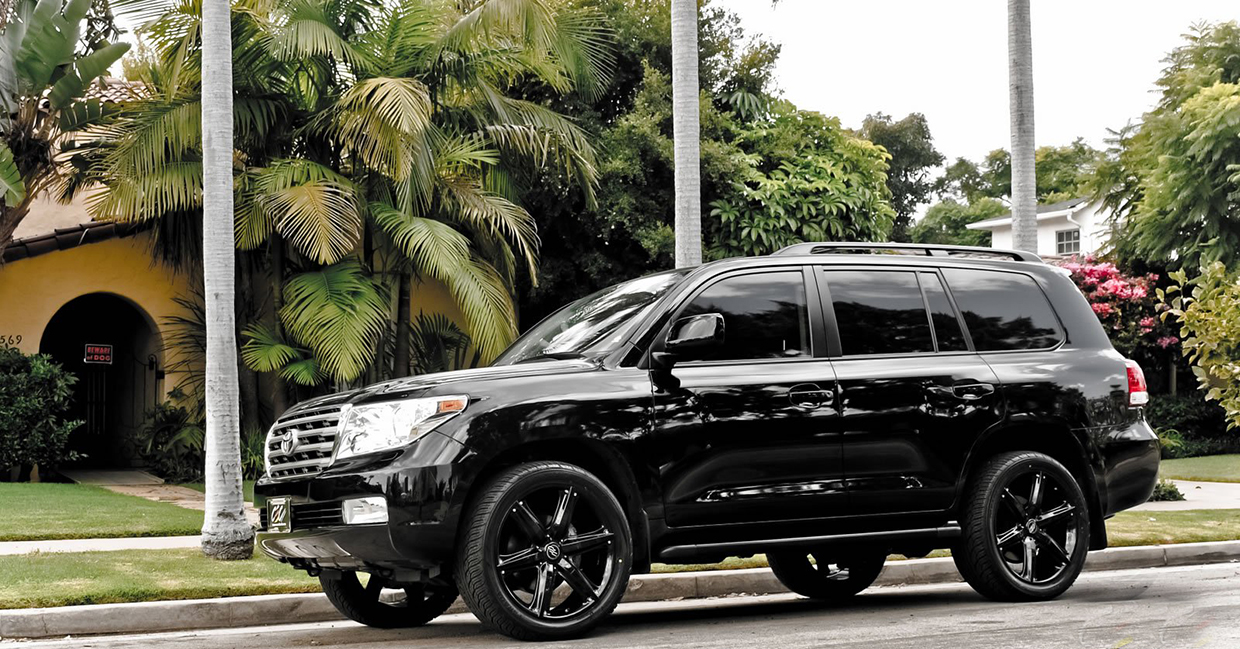
Kigali priority car hire help desks established for special guests represent a major upgrade for…
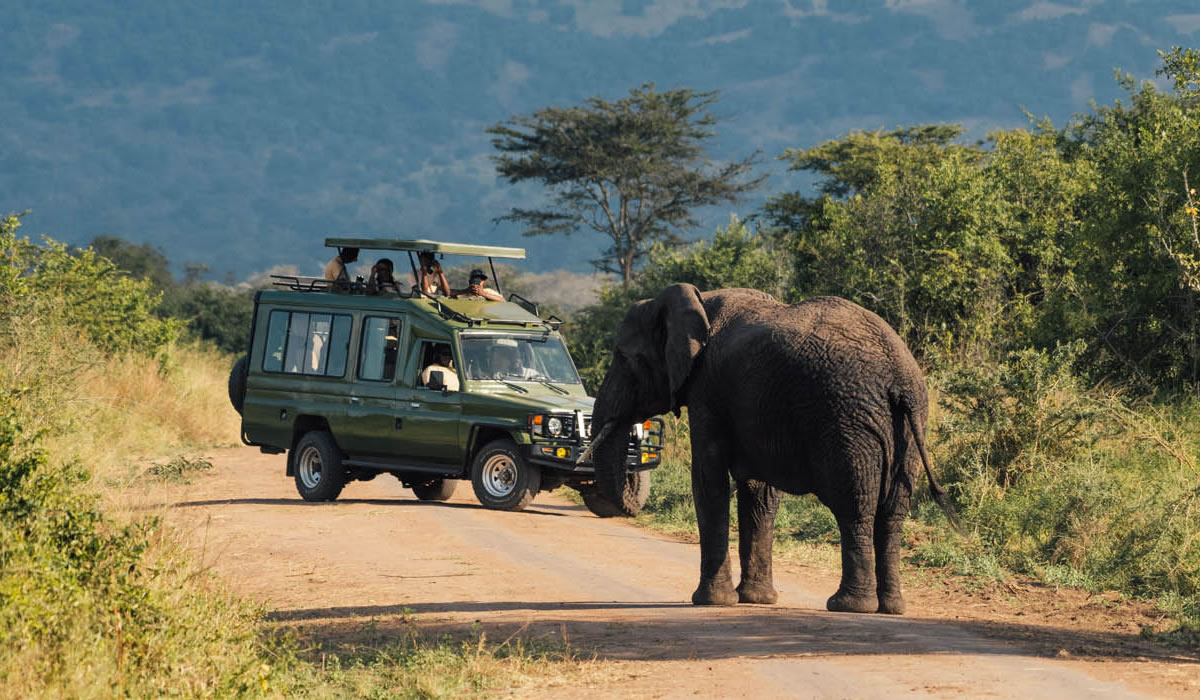
How to Self-Drive to Rwanda’s National Parks | Car Hire Guide for Wildlife Lovers
Rwanda is not just the land of a thousand hills — it is one of Africa’s most compact, navigable, and rewarding wildlife destinations. While most visitors opt for guided tours, a growing number of adventurous travellers are discovering that self-driving to Rwanda’s national parks is not only feasible but deeply satisfying. With well-maintained roads, clear signage, and a remarkably safe travel environment, Rwanda is arguably the best country in East Africa for an independent road trip. This how to Self-Drive to Rwanda’s National Parks guide walks you through everything you need to know about hiring a car and navigating your way to Rwanda’s most breathtaking wild spaces.
Why Self-Drive in Rwanda?
The appeal of self-driving is straightforward: freedom. You move at your own pace, stop wherever a troop of colobus monkeys crosses the road, linger at a viewpoint without consulting a guide’s itinerary, and save significantly on the cost of private safari vehicles.
Rwanda’s road network is, by regional standards, exceptional. The main arteries connecting Kigali to Volcanoes, Nyungwe, and Akagera national parks are largely paved and well-maintained. The government has invested heavily in infrastructure, and with GPS and mobile data widely accessible, navigation is far less daunting than in many other African destinations.
That said, self-driving is not entirely without challenge. Mountain passes can be steep and misty, unpaved park tracks require confidence behind the wheel, and some routes demand an early-morning departure to arrive in time for permits. Going in prepared makes all the difference.
Choosing the Right Vehicle
The single most important decision you will make as a self-drive traveller in Rwanda is your choice of vehicle. Do not underestimate this.
For Akagera National Park, Rwanda’s only savanna park in the east, a high-clearance 4×4 is essential. Tracks inside the park become muddy and deeply rutted, particularly after rain. A Toyota Land Cruiser or a Toyota RAV4 with four-wheel drive will handle the terrain confidently.
For Volcanoes National Park in the north, the road from Kigali via Musanze is well-paved, but the final approach and car park area can be slick. A 4×4 is advisable, though some visitors manage in a robust saloon car during dry season.
For Nyungwe Forest National Park in the southwest, the drive from Kigali takes three to four hours along a scenic but winding mountain road. The approach roads and some trailhead accesses benefit from a 4×4, especially during Rwanda’s long rainy season (March to May) and short rains (October to November).
When in doubt, always hire a 4×4. The additional cost — typically $80 to $150 USD per day depending on the vehicle and operator — is a worthwhile investment given the conditions.
Where to Hire a Car in Rwanda
Kigali is your starting point for almost any self-drive itinerary, and the city has a healthy selection of reputable car hire operators, ranging from international names to well-established local companies.
International operators such as Europcar and Avis have a presence in Kigali, offering predictable booking processes, multilingual support, and reliable insurance documentation — important if you need to resolve an issue mid-trip.
Local car hire companies often offer more competitive rates and vehicles that are better suited to off-road conditions. They also tend to be more flexible on drop-off arrangements and itinerary adjustments.
Key things to check before signing any agreement:
- Insurance coverage: Confirm that comprehensive insurance is included and clarify the excess (deductible) you would owe in the event of an accident or damage. Do not assume basic coverage protects you fully off-road.
- Mileage limits: Some rentals cap daily kilometres. An Akagera round trip from Kigali is roughly 550 km; Nyungwe is similar. Unlimited mileage packages are worth seeking out.
- 24/7 breakdown support: Roads can be lonely. Confirm the operator has a support line and a roadside assistance protocol.
- Spare tyre and tools: Check that the vehicle carries a full-size spare, a jack, and a puncture repair kit. Off-road tracks eat tyres.
- Valid documentation: You will need your passport, a valid driving licence from your home country, and an International Driving Permit (IDP). Rwanda recognises IDPs issued under the 1949 and 1968 Geneva conventions.
Rates for a basic 4×4 without a driver typically range from $80 to $180 per day. Booking at least two weeks in advance is strongly recommended, particularly during peak gorilla trekking seasons (June to September and December to February).
Navigating to the Parks
Kigali to Volcanoes National Park (Parc National des Volcans)
Distance: Approximately 110 km | Drive time: 2 to 2.5 hours
Take the RN2 highway heading northwest from Kigali towards Musanze (formerly Ruhengeri). The road is in excellent condition and passes through terraced hillsides and tea plantations. Musanze town is the gateway to Volcanoes, where most accommodation is based. The park entrance at Kinigi is a further 15 minutes from town. Depart Kigali no later than 5:30 AM on trekking days — briefings begin at 7:00 AM sharp, and permits are forfeited if you are late.
Kigali to Akagera National Park
Distance: Approximately 100 km to the south gate | Drive time: 2 hours
Head east on the RN3 towards Kayonza, then north on the RN4 towards Rusumo. Akagera’s south gate sits close to the town of Kabarondo. The park has a second gate in the north, useful if you plan to exit towards Nyagatare. Inside the park, tracks are rough and unmarked in places — download the park map and consider the Akagera Game Drives app before entering.
Kigali to Nyungwe Forest National Park
Distance: Approximately 225 km | Drive time: 3.5 to 4.5 hours
This is the most scenic drive in Rwanda. Take the RN1 south via Butare (Huye) and continue through the rolling hills of the Southern Province before the road climbs dramatically into the montane forest. The Uwinka Visitor Centre is the main hub for chimp tracking and canopy walks. Plan to arrive the evening before your activity, as most excursions depart at dawn.
Permits, Fees, and Practical Tips
Rwanda’s park fees are not cheap, but they are managed to ensure quality, low-impact wildlife experiences.
- Mountain gorilla trekking: $1,500 USD per permit per person (booked through Rwanda Development Board — rwandatourism.com)
- Chimpanzee tracking in Nyungwe: from $150 USD per person
- Akagera game drive entry: approximately $50 USD per person per day plus vehicle fees
Book permits well in advance — gorilla permits especially sell out months ahead during peak season.
Other tips for the road:
- Carry cash (Rwandan Francs) for fuel, roadside snacks, and smaller lodges that may not accept cards.
- Petrol stations are plentiful in towns but sparse on park approach roads. Fill up in Musanze, Huye, or Kayonza before heading to the parks.
- Download offline maps (Maps.me or Google Maps offline) before leaving Kigali, as mobile signal can be weak in remote areas.
- Keep a cool box with water and snacks. Distances look short on a map, but mountain roads and park tracks slow progress considerably.
- Drive on the right — Rwanda follows the continental African driving convention, having switched from left-hand traffic in 2009.
Is Self-Driving Right for You?
Self-driving in Rwanda suits confident, independent travellers who are comfortable reading road conditions, navigating with a GPS, and managing their own logistics. It rewards those who relish the journey as much as the destination — because in Rwanda, the road itself is a spectacle.
If you are visiting solely for gorilla trekking, the argument for hiring a guide or joining a group transfer is stronger, since the trekking itself is guided regardless. But if you plan to visit multiple parks, want flexibility in your itinerary, or simply love the open road, self-driving Rwanda is an experience that few who try it ever regret.
Rwanda is, above all, a country that rewards the curious. Hire your 4×4, load your playlist, and let the thousand hills unfold around you.
Related Posts