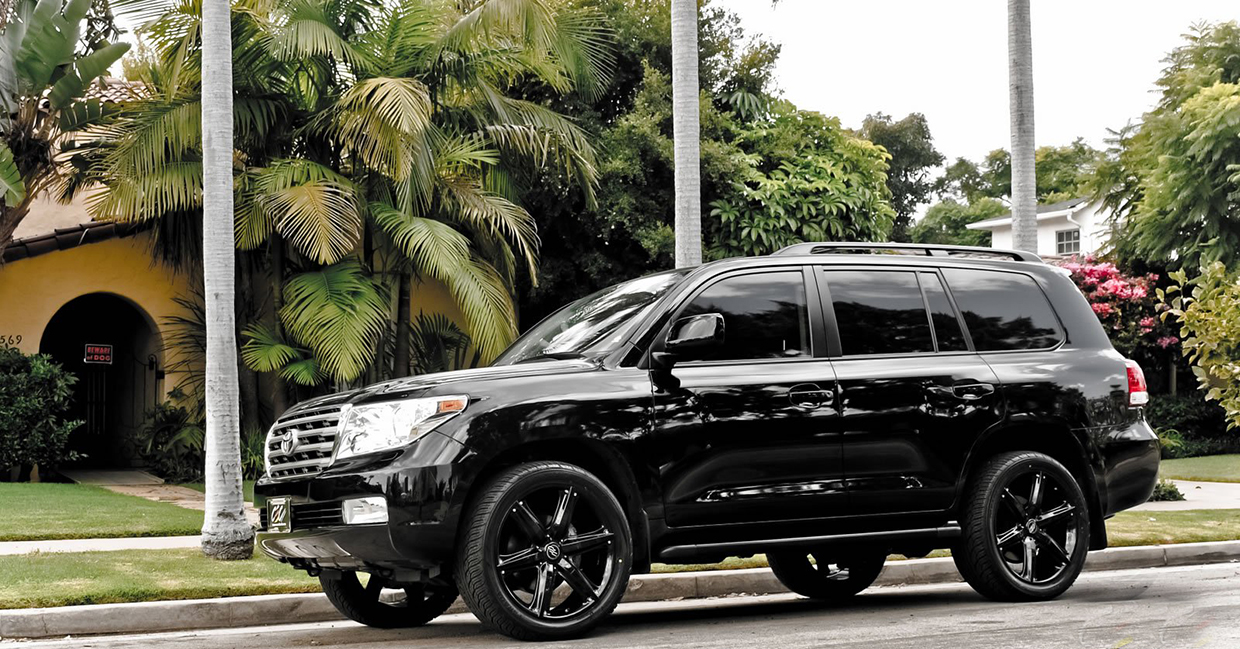
Kigali priority car hire help desks established for special guests represent a major upgrade for…
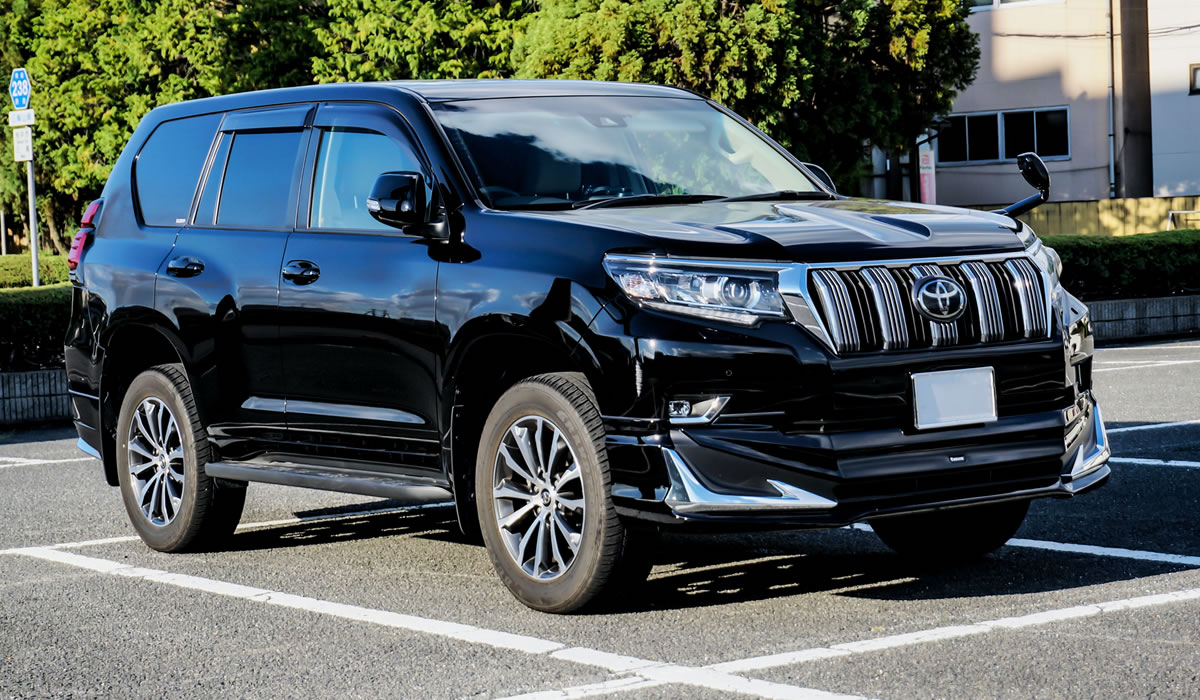
Self-Driving in Rwanda During the Rainy Season
Rwanda is one of Africa’s most rewarding safari destinations. From the misty slopes of Volcanoes National Park to the wetlands of Akagera National Park and the dense canopy of Nyungwe Forest National Park, the country offers extraordinary diversity within a compact and accessible landscape. Self-Driving in Rwanda During the Rainy Season can be a tricky experience and here we explain how to do it safely for a great experience.
While many travellers opt for guided safaris, self-driving is becoming increasingly popular, particularly among those seeking flexibility and independence. Choosing to do so during the rainy season, typically mid-February to May and October to December, adds both unique rewards and notable challenges. Understanding both sides is essential before committing to a wet-season road trip.
The Advantages
Lower Costs Across the Board
The rainy season offers significant financial advantages. Rwanda is a premium destination, with gorilla permits priced at $1,500 per person, but accommodation rates across major parks often drop by 30 to 50 percent during low season. Lodges that are fully booked in peak months become accessible, and vehicle rental rates are more negotiable. For budget-conscious travellers, this is the most cost-effective time to explore the country.
Fewer Crowds, More Intimate Experiences
Visitor numbers decline noticeably during the rains. In Akagera, it is entirely possible to drive for hours without encountering another vehicle. Gorilla trekking experiences also feel more personal, with fewer groups and a more relaxed pace. For self-drivers, this translates into greater freedom, more time at sightings, and a deeper connection to the environment.
Lush, Photogenic Landscapes
Rwanda is at its most visually striking during the rainy season. Hills turn a vibrant green, rivers swell, and mist adds atmosphere to forest and mountain views. Photographers benefit from softer light and dramatic cloud formations, particularly in Nyungwe and the Virunga highlands. Self-driving allows spontaneous stops, whether at scenic viewpoints or unexpected wildlife encounters.
Seasonal Wildlife Highlights
While large mammals may be harder to spot, birdlife thrives. Rwanda’s forests and wetlands become especially active, with migratory species arriving and resident birds displaying breeding plumage. Wetlands such as Lake Ihema in Akagera attract high concentrations of water birds, while amphibians and reptiles are more visible.
Flexibility and Control
Self-driving allows you to adapt your schedule to weather conditions. Early morning departures can help avoid heavy afternoon rain, and plans can be adjusted without coordinating with a group. Rwanda’s relatively good road signage and compact distances make navigation manageable for prepared drivers.
The Disadvantages
Challenging Road Conditions
This is the most significant drawback. Many rural and park roads are laterite, which becomes extremely slippery when wet. Steep hills and sharp descents increase the risk of skidding, even in a capable 4×4. Roads around Volcanoes National Park and in remote areas can become particularly difficult after sustained rain. Occasional landslides may also disrupt travel.
Risk of Getting Stuck
Mud and poor traction can leave vehicles stranded, especially on remote tracks. Recovery can take hours, particularly in areas with limited traffic or weak mobile signal. Essential equipment includes a tow rope, shovel, traction aids, and offline navigation tools.
More Demanding Trekking Conditions
Gorilla trekking in wet conditions is significantly more physically demanding. Trails become muddy and slippery, and gorillas may move deeper into dense forest. Treks can take longer and require greater effort. The same applies to chimpanzee tracking in Nyungwe, where steep, wet terrain adds to the challenge.
Reduced Visibility for Big Game
Dense vegetation during the rainy season makes spotting large mammals more difficult. In Akagera, tall grass can obscure animals, and wildlife disperses more widely due to abundant water sources. Without a guide’s tracking expertise, self-drivers may experience fewer sightings.
Higher Planning Demands
Wet-season travel requires careful preparation. Drivers must monitor road conditions, carry emergency supplies, and plan fuel stops carefully. Gorilla permits, issued by the Rwanda Development Board, must be booked in advance and are non-refundable, even in poor weather. Reliable travel insurance is essential.
Self-driving in Rwanda during the rainy season is not the easiest way to explore the country, but it can be one of the most rewarding. The landscapes are at their most vibrant, the crowds are minimal, and the experience feels more personal and immersive.
However, the challenges are real. Difficult road conditions, unpredictable logistics, and physically demanding activities require preparation, confidence, and the right vehicle. For travellers who are well-equipped and comfortable with uncertainty, the rewards far outweigh the risks.
In the end, rainy-season self-driving in Rwanda is not about convenience, it is about embracing the journey in its rawest and most authentic form.
Related Posts