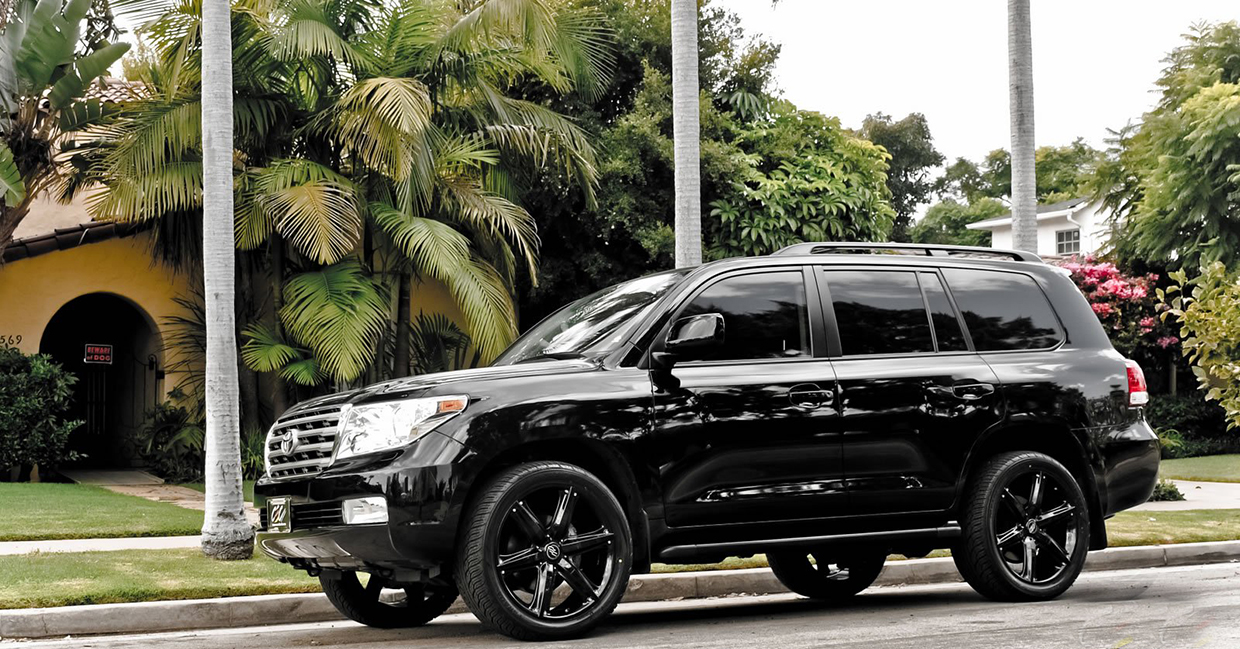
Kigali priority car hire help desks established for special guests represent a major upgrade for…
Driving from Kigali to Volcanoes National Park: Road Guide & Tips
Driving from Kigali to Volcanoes National Park covers roughly 110 kilometres and takes between two and two-and-a-half hours under normal conditions. The route is well-paved for its entirety, passing through green rolling hills, terraced farmland, and bustling trading centres before the road narrows and climbs into the cool mountain air of the Musanze district. Whether you are heading there for gorilla trekking, golden monkey tracking, or simply to witness the majesty of the Virunga range, this drive is a destination in itself.
Starting Point: Leaving Kigali
Most travellers begin at Kigali City Centre, particularly around the Nyabugogo bus terminal area or from hotels in the Kimihurura, Kiyovu, or Remera neighbourhoods. If you are renting a vehicle, confirm pickup early — reputable operators like Kigali Car Rental, Rwanda Tours & Travel, and various hotel concierges can arrange self-drive 4×4s or vehicles with drivers.
Before leaving the city, top up your fuel tank. Kigali has numerous reliable filling stations (Total, KCB, and Engen are well-distributed), and while you will pass through several towns en route, it is wise to start with a full tank. Also ensure your phone is charged — Google Maps and Maps.me work well on this route, though the road is straightforward enough that you will rarely need navigation after the first few turns.
Departure tip: Aim to leave Kigali no later than 6:00–6:30 a.m. on gorilla trekking days. The park gates open at 7:00 a.m. and briefings for trekkers typically begin at 8:00 a.m. at the park headquarters in Kinigi. Leaving late is the single most common mistake visitors make.
The Route: RN2 to Musanze
From Kigali, take the RN2 (Route Nationale 2) — also known as the Northern Corridor Road — heading northwest out of the city. This is the main artery linking Kigali to Uganda and is clearly signposted.
Kigali to Rulindo (~40 km)
The first stretch out of Kigali moves through the city’s outer suburbs before opening into the quintessentially Rwandan landscape of terraced hillsides and valleys stitched with banana groves. The road is smooth, dual-laned in places, and traffic thins considerably once you clear the city outskirts.
You will pass through Kabuga, Rusororo, and Shyorongi — small trading centres where motorcycles (motos) weave confidently and roadside vendors sell fresh fruit, grilled skewers, and roasted cassava. Feel free to stop; this is local Rwanda at its most authentic. The road begins to climb noticeably around Shyorongi, offering panoramic views of the Thousand Hills in every direction.
Rulindo to Musanze (~70 km)
After Rulindo, the road continues its winding ascent through Gakenke and Coko before arriving in Musanze town (formerly called Ruhengeri), the largest urban centre in northern Rwanda. Musanze sits at approximately 1,850 metres above sea level — you will feel the cooler, thinner air the moment you step out of the vehicle.
Musanze is a lively town with supermarkets, pharmacies, ATMs (Bank of Kigali and I&M Bank have branches here), restaurants, and accommodation. If you are doing an early morning gorilla trek, many operators recommend spending the previous night in Musanze or even closer to the park rather than driving from Kigali on the morning of the trek.
Key stop: Musanze town — stock up on snacks, water, or any hiking supplies you may have forgotten. A light rain jacket is essential; mornings in the volcanoes can be mist-drenched even in dry season.
Musanze to Kinigi Park HQ (~15 km)
From Musanze town, follow signs toward Kinigi — the road leading to the park headquarters. This final stretch is the most scenic of the entire drive. The paved road narrows and begins to ascend in earnest. Tea plantations and pyrethrum fields emerge on either side, and if the morning is clear, you will catch your first breathtaking glimpse of Mount Muhabura, Mount Bisoke, and the broad cone of Mount Sabyinyo looming above the eucalyptus and podocarpus forest. The air smells of eucalyptus and damp earth.
The RDB (Rwanda Development Board) park headquarters is clearly signposted. This is where gorilla trekking permits are verified and groups are assigned to their respective gorilla families and ranger guides.
Road Conditions & What to Expect
Rwanda maintains some of the best roads in East Africa, and the Kigali–Musanze corridor is no exception. The RN2 is sealed tarmac throughout. That said, a few conditions are worth anticipating:
- Speed bumps: Rwandan towns and trading centres use frequent speed humps. Slow down through every settlement — not only for safety, but because traffic police are a common sight and fines are enforced.
- Motorcycles and pedestrians: Expect to share the road generously with motorcycle taxis (motos), cyclists carrying improbable loads, and pedestrians walking the roadside. Patient, attentive driving is essential.
- Mountain mist and rain: The approach to Volcanoes National Park sits in a zone of heavy rainfall. Morning mist can reduce visibility on the final stretch to Kinigi, especially between October–November (the short rains) and March–May (the long rains). Drive slowly and use headlights.
- Market days: Certain towns along the route host weekly markets that spill onto the road and dramatically slow traffic. Wednesday and Saturday markets in the Musanze area are the most significant. Allow extra time if your trip coincides with one.
Driving Tips for This Route
- Use a 4×4 if possible. While the main road requires no off-road capability, some lodges and campsites near the park boundary sit on unpaved access tracks that become muddy in the rains. A 4×4 with high clearance prevents unpleasant surprises.
- Observe the 50 km/h speed limit in urban areas. Rwanda has traffic cameras in several locations, and spot fines are common. The maximum highway speed is 80 km/h.
- Carry local cash (Rwandan Francs). While Musanze has ATMs, the lodges and facilities closest to the park are better served by cash. Card connectivity can be unreliable.
- Fuel in Musanze. There are no filling stations between Musanze town and the park gate. Do not assume you can refuel after leaving town.
- Do not drive at night if unfamiliar with the route. The final winding road to Kinigi is unlit and bordered by steep drops in places. If you arrive in Kigali late, overnight in the city and depart pre-dawn rather than attempting the mountain stretch after dark.
- Download offline maps. Cell coverage along the RN2 is generally reliable, but the area close to the park boundary can be patchy. Download the route offline on Google Maps or Maps.me before departure.
Where to Stop Along the Way
- Lake Muhazi (slight detour): About 30 minutes east of Kigali, this serene lake is ideal for a brief stretch and photography stop if you have a relaxed schedule.
- Shyorongi viewpoint: Around the 30 km mark, pull over on a clear day for sweeping views of the Kigali highlands.
- Musanze Caves: If time allows on the return journey, the Musanze lava caves (about 2 km from Musanze town) are one of Rwanda’s most underrated geological attractions.
- Twin Lakes (Burera & Ruhondo): A short detour northeast of Musanze reveals two spectacular crater lakes tucked between forested ridges — a magical reward for early risers with an hour to spare.
Accommodation Near the Park
If you choose to break the journey with an overnight stay, Musanze and the Kinigi area offer a wide range of options. One&Only Gorilla’s Nest and Bisate Lodge are among the most celebrated luxury properties on the African continent, sitting virtually at the park’s edge. Mid-range and budget travellers are well served by La Palme Hotel and Kinigi Guesthouse in Kinigi village, among others.
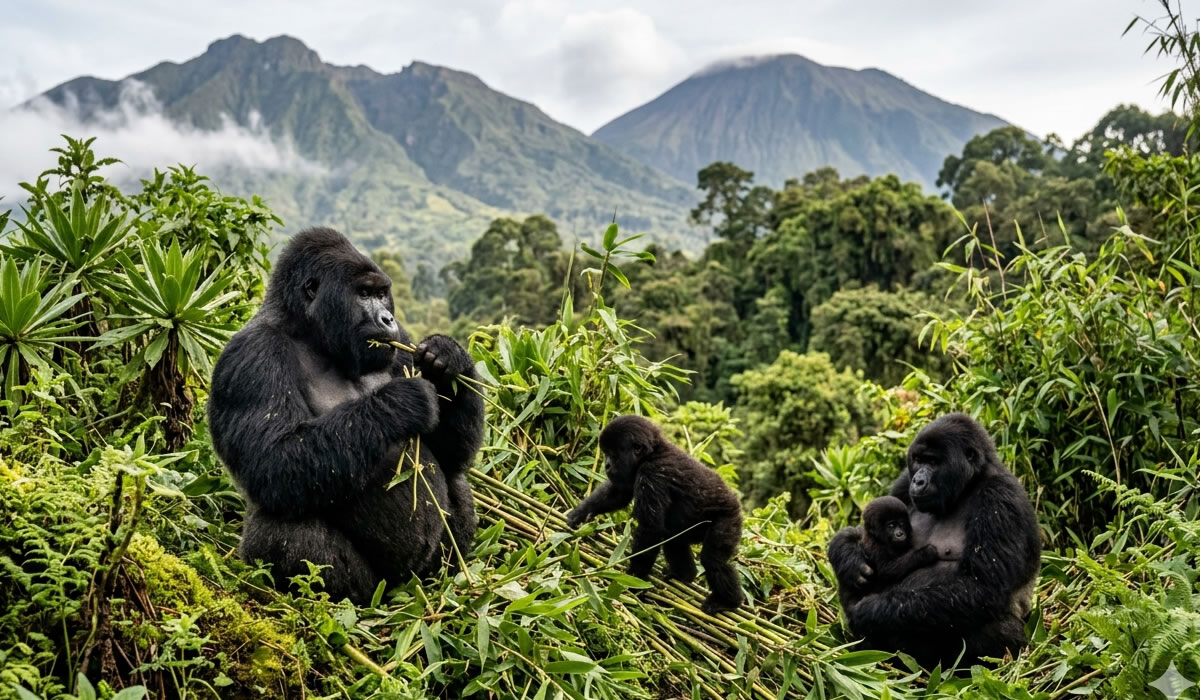
Driving from Kigali to Volcanoes National Park is one of those journeys that rewards every type of traveller — the nature lover who pulls over for a hawk perched on a roadside acacia, the food lover who stops for a skewer of brochette beside the road, and the pure adventurer who simply wants to be face-to-face with a mountain gorilla by mid-morning. The road is kind, the scenery extraordinary, and the destination — one of the world’s last refuges of the mountain gorilla — is nothing short of humbling.
Plan your start time carefully, respect the road’s rhythms, and let Rwanda’s Northern Province unfold at its own magnificent pace. Contact us to know more about Driving from Kigali to Volcanoes National Park.
Related Posts