Planning your dream trip to the land of a thousand hills requires a comprehensive Car…
Nyungwe forest car rental: How to drive south 4×4 hire Rwanda
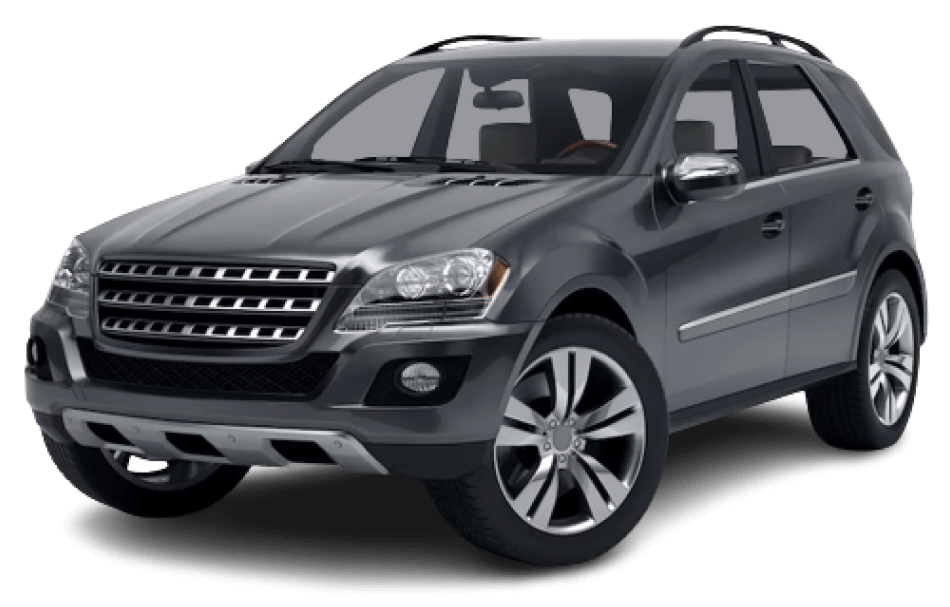
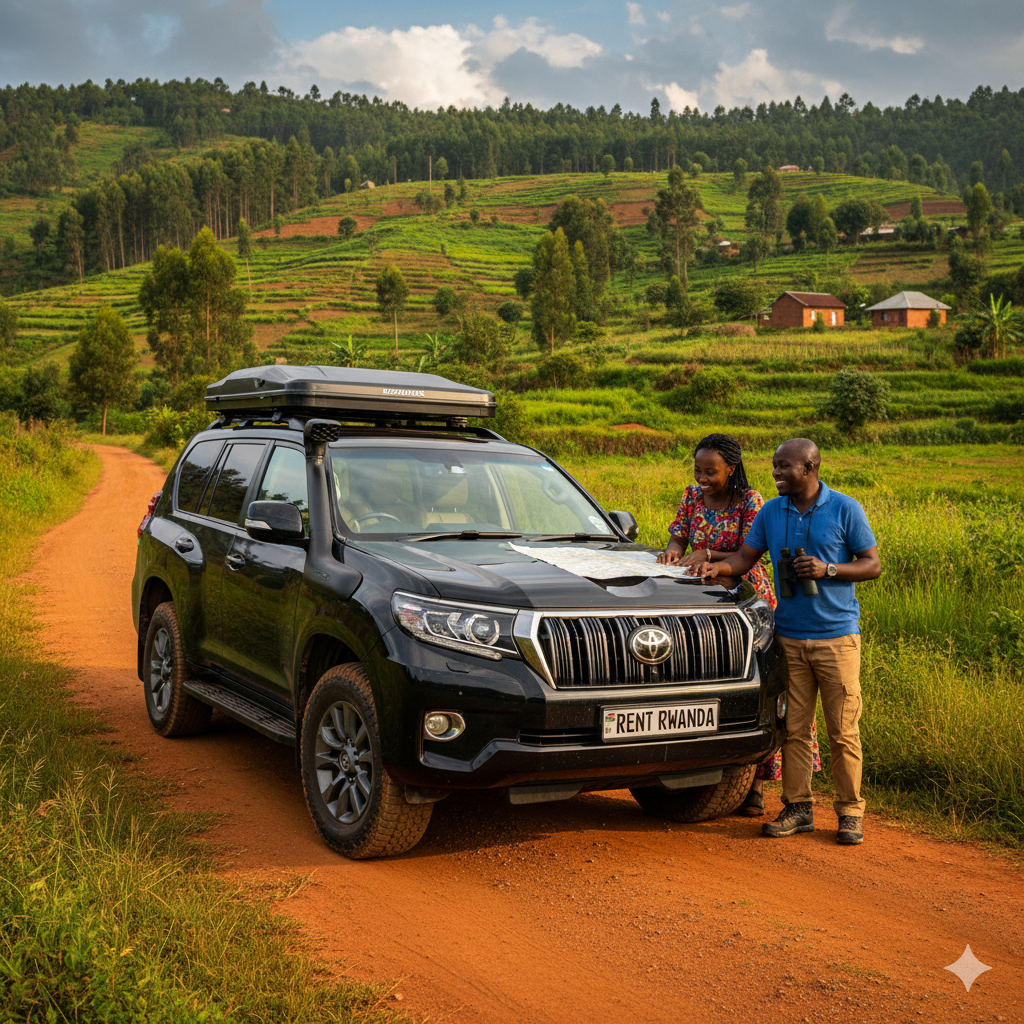
Exploring the deep southwestern reaches of the Land of a Thousand Hills requires a robust vehicle, and Nyungwe forest car rental: How to drive south 4×4 hire Rwanda is the premier choice for travelers. When planning your expedition, choosing Nyungwe forest car rental: How to drive south 4×4 hire Rwanda ensures you have the power to navigate winding mountain roads safely. For those ready to book their adventure today, Nyungwe forest car rental: How to drive south 4×4 hire Rwanda offers the most reliable fleet of off-road vehicles for your journey. At 4X4 CAR RENTAL RWANDA, we provide high-performance SUVs and specialized safari vehicles designed for the rugged terrain of the southern province. This comprehensive guide will cover everything from selecting a 4×4 Car Rental Rwanda to mastering the routes for Rooftop Tent Camping in Rwanda and Kigali, ensuring your trip is both seamless and unforgettable. Whether you are looking for a Toyota TXL Land Cruiser or a budget-friendly 4×4 SUV rental, we have tailored solutions for international tourists, NGO workers, and corporate teams alike.
Planning Your Trip with 4×4 Car Rental Rwanda and Kigali
Choosing a reliable 4×4 Car Rental Rwanda is the first step toward a successful safari in the southern corridors. Our Rwanda car hire services cater to those who demand excellence and durability when traversing the steep hills leading to the primate forests. You should consider the various car rental considerations for private tours to decide if a self-drive or chauffeur-driven option fits your needs. Many travelers find that a Safari Land Cruiser Hire in Rwanda provides the necessary ground clearance for the often-slick roads near the forest canopy. While navigating the southern province, it is also vital to understand how to budget for your safari to include fuel, permits, and park fees.
Choosing the Best Safari Land Cruiser Hire in Rwanda
A Safari Land Cruiser Hire in Rwanda is synonymous with reliability when heading toward the ancient rainforests of the south. These rugged vehicle rental options are equipped with heavy-duty suspension systems and high-torque engines to handle the elevation changes common in the Nyungwe region. Using our Rwanda car rental services, you can access a wide range of car rentals that are specifically maintained for long-distance African road trips. For those interested in a more compact yet capable option, the Toyota TXL Land Cruiser offers a perfect blend of luxury and off-road capability. Understanding the specifics of car rentals used for road trips will help you choose a vehicle that balances fuel efficiency with the power required for mountainous terrain.
Experience Luxury with Toyota TXL Land Cruiser Rental
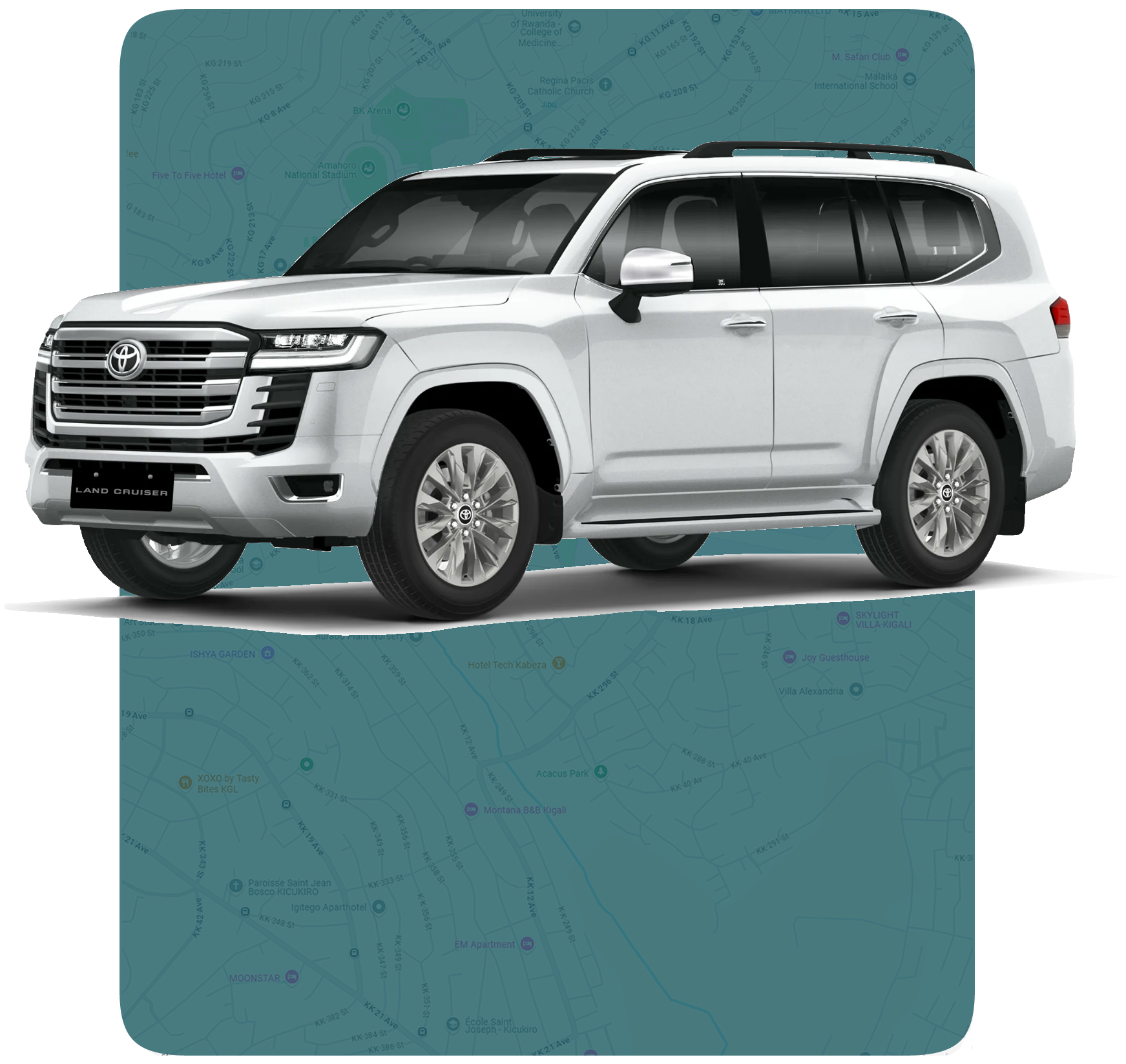
The Toyota TXL Land Cruiser remains a favorite for luxury vehicle rental seekers who do not want to compromise on performance. This premium car hire Rwanda choice features a spacious interior, advanced climate control, and superior safety features for your peace of mind. Our Kigali car rental hub makes it easy to pick up your Toyota TXL 4×4 immediately after landing at the airport. Travelers often compare the TXL to other models, such as the Toyota RAV4 options for self-drive, which are better suited for city driving or lighter gravel roads. If you are planning a high-profile business trip or a luxury safari, our premium rental vehicles ensure you arrive in style and comfort regardless of the destination.
Rooftop Tent Camping in Rwanda and Kigali Adventures
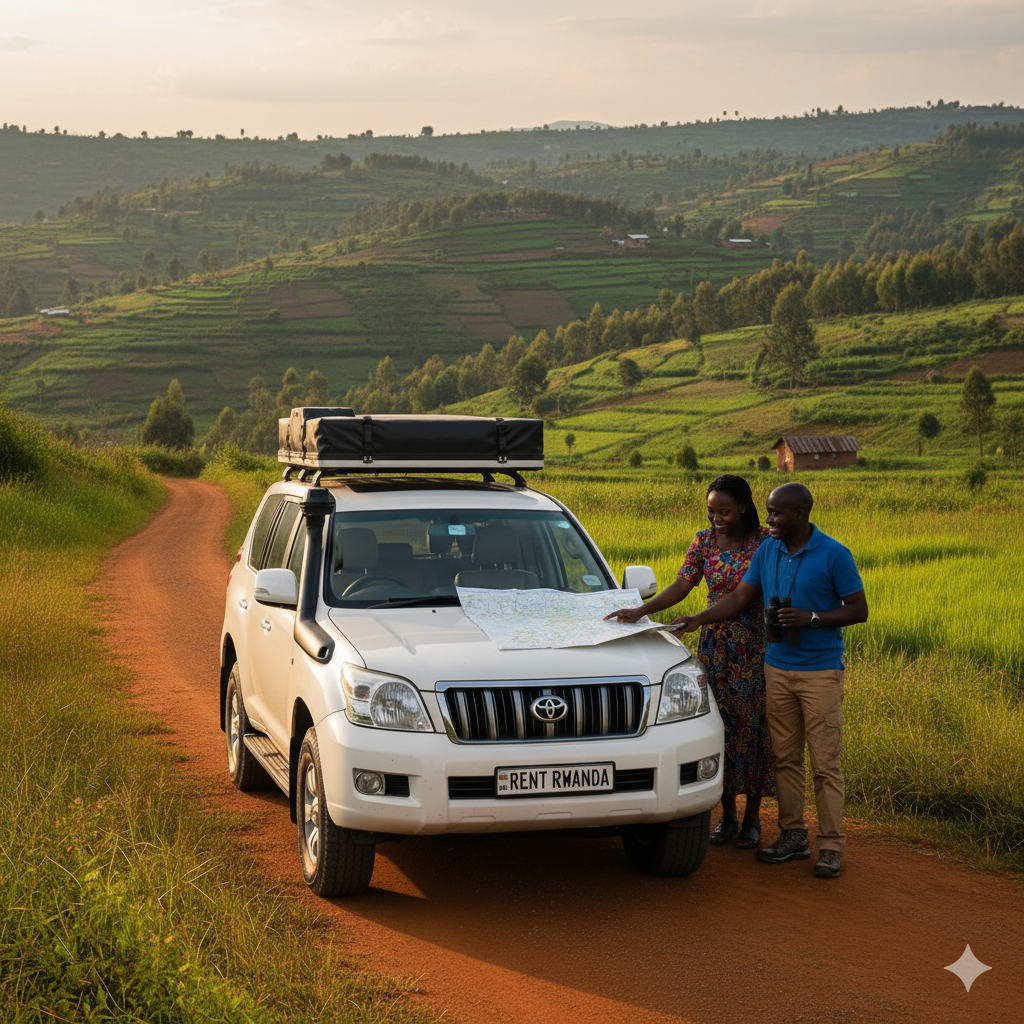
For the ultimate outdoor enthusiast, Rooftop Tent Camping in Rwanda and Kigali offers a unique way to stay close to nature. Our 4×4 Rooftop Tent Car setups include high-quality tents that are easy to deploy, allowing you to camp in designated areas near the national parks. This adventure car rental style is perfect for those who want to wake up to the sounds of the rainforest without the high cost of luxury lodges. We recommend exploring the benefits of camping self-drive car hire to see how it can transform your travel experience. When you rent a 4×4 Rwanda with a rooftop tent, you are essentially carrying your hotel on your back, providing unmatched freedom to explore the wilderness.
Reliable Rwanda Car Rental Services for Every Traveler
Our Rwanda car rental services are designed to be inclusive, serving international travelers from the USA, Europe, and Canada, as well as local residents. We offer affordable SUV rental options for those on a budget while maintaining the high standards expected of a professional car rental company. Many of our clients appreciate the transparency of our car rental terms and conditions, which ensure no hidden fees during your journey. Whether you need a Kigali SUV rental for a quick business meeting or a safari car hire for a month-long expedition, our team is ready to assist. You can even find tips on why to consider self-drive if you prefer the independence of navigating the Rwandan roads at your own pace.
Safety Tips for 4×4 Car Rental in Rwanda and Kigali
Navigating the roads with a 4×4 Car rental in Rwanda and Kigali requires an understanding of local driving conditions and safety protocols. It is essential to choose a reliable car rental partner like 4X4 CAR RENTAL RWANDA to ensure your vehicle has undergone rigorous safety checks. We provide detailed advice on how to maintain a rental car to prevent any mechanical issues during your trip. Furthermore, being aware of how to avoid car hire scams is crucial for international visitors who may not be familiar with the local market. By choosing a Toyota rental Kigali service with a physical office and verified reviews, you protect your investment and ensure a stress-free holiday.
Exploring Nyungwe Forest National Park with Gorilla Tour Rwanda
A trip to the south is incomplete without visiting the Nyungwe Forest National Park to witness its incredible biodiversity. This is where our partnership with Gorilla Tour Rwanda adds immense value, providing expert guides who know the best spots for chimpanzee trekking. Using a safari-ready SUV allows you to reach the park headquarters early enough for the famous canopy walk experience, which offers a bird’s-eye view of the ancient trees. For those interested in more than just driving, Gorilla Tour Rwanda can organize complex itineraries that include both wildlife encounters and cultural history. Their expertise in gorilla trekking with car hire makes them the perfect companion for your Nyungwe forest car rental: How to drive south 4×4 hire Rwanda adventure.
Affordable Car Hire Rwanda for Long-Term Projects
For NGOs and corporate entities, we offer affordable car hire Rwanda packages that cater to long-term project needs. Our long-term SUV rental options are flexible, allowing organizations to maintain a reliable fleet without the overhead of purchasing vehicles. We understand that business car hire Rwanda requires punctuality and well-maintained cars, which is why our Toyota SUV hire Kigali services are highly rated. You can learn more about saving money on your car rental by choosing extended lease periods that lower the daily rate significantly. Additionally, our Kigali Land Cruiser rental fleet is ideal for field work in rural areas where road conditions can be unpredictable during the rainy season.
The Convenience of Airport Car Rental Kigali
Arriving in a new country can be overwhelming, but our Kigali International Airport pickup service makes it simple. With airport car rental Kigali, your 4×4 SUV rental will be waiting for you the moment you clear customs. This service is part of our commitment to being the best car rental Rwanda provider, focusing on customer convenience and efficiency. We also offer reduced-contact car rental options to ensure the highest safety standards for our international guests. Whether you need a Toyota TXL Kigali hire for a wedding or a rugged vehicle rental for a safari, we ensure the handover process is quick and professional.
Why 4X4 CAR RENTAL RWANDA is Your Best Choice
At 4X4 CAR RENTAL RWANDA, we take pride in being the leading provider of Rwanda car hire solutions with a focus on quality and safety. Our services include everything from self-drive car rental and chauffeur-driven car rental to specialized one-way rentals for those crossing borders. We are recognized as the best car rental company in Rwanda due to our diverse fleet and exceptional customer support. For a personalized quote or to book your Toyota TXL for safari, contact us at +250 726 065 210 or email us at info@4x4carrentalrwanda.com. Visit our official website to explore our full range of adventure-ready SUVs Rwanda and start planning your journey today.
Mastering the Terrain with 4WF Land Cruiser Power
The 4WF Land Cruiser is the backbone of the Rwandan safari industry, offering the power and torque needed for the steepest hills. When you rent a Toyota Rwanda from our fleet, you are getting a vehicle that has been tested in the most demanding environments. Driving to the south with a powerful SUV rental ensures that you can handle muddy tracks and rocky inclines with ease. Many of our clients find that self-drive car rental and safari is the most rewarding way to experience the country’s natural beauty. By choosing a high-performance vehicle hire, you minimize the risk of being stuck and maximize your time spent enjoying the breathtaking scenery of the southern highlands.
Self-Drive Rwanda Safari: A Journey of Independence
Embarking on a self-drive Rwanda safari is a dream for many adventure travelers who value privacy and flexibility. With your Nyungwe forest car rental: How to drive south 4×4 hire Rwanda vehicle, you can stop whenever you spot a rare bird or a beautiful waterfall. It is important to know how to protect your rental car while parked in remote areas or navigating city traffic. Our Toyota car rental Rwanda options come with basic insurance and 24/7 roadside assistance to give you peace of mind throughout your trip. If you are looking for a cheap 4×4 rental Kigali, we have several models that offer great value without sacrificing the essential 4WD capabilities.
Professional Chauffeur-Driven Car Rental for Business
For those who prefer to sit back and relax, our chauffeur-driven car rental service provides a professional driver who doubles as a local guide. This is especially useful for business travel SUV users who need to prep for meetings while on the move between Kigali and other towns. Our drivers are well-versed in the routes and can navigate the Kigali SUV rental landscape with expert precision. You might want to discover self-drive safari holidays even if you hire a driver, just to understand the routes they will be taking. Choosing a premium car hire Rwanda with a driver ensures that you never have to worry about parking or navigating the sometimes-confusing city streets.
Rooftop Tent Cars Hire for the Ultimate African Road Trip
The popularity of Rooftop Tent Cars Hire has surged among travelers looking for a rugged, self-contained travel solution. These travel vehicles Rwanda are perfect for those visiting multiple national parks, as they eliminate the need for fixed hotel reservations. When you use our 4×4 Rooftop Tent Car services, we provide all the necessary camping gear, including sleeping bags and cooking equipment. You can find more information on saving time and money on car rental by opting for these all-in-one travel packages. This all-terrain car Rwanda setup is specifically designed to withstand the humidity of the rainforest while providing a comfortable and dry sleeping area high above the ground.
Gorilla Trekking and Wildlife with Safari Car Hire
A safari car hire is essential for those participating in a gorilla trekking experience in the north or chasing chimpanzees in the south. Our Nyungwe forest car rental: How to drive south 4×4 hire Rwanda service ensures you reach the park gates on time, which is critical for the morning briefings. We recommend a Toyota TXL safari rental for these trips because of its reliability and spaciousness for camera gear. You can also explore the Iby’iwacu cultural experience to add a touch of local tradition to your wildlife adventure. Having a safari-ready SUV means you are always prepared for the unpredictable weather and road conditions that come with high-altitude trekking.
One-Way Car Rental Rwanda: Flexibility for Your Route
Our one-way car rental Rwanda service is perfect for travelers who want to start their journey in Kigali and end it at a different border point. This is particularly useful for those planning to continue their journey into neighboring countries after their Nyungwe forest car rental: How to drive south 4×4 hire Rwanda experience. You should check the rules for border crossing with a rental car to ensure you have all the necessary paperwork. This flexible car rental option allows for a more linear travel path, saving you the time of driving back to the starting point. Whether you need a Toyota 4×4 Kigali for a week or a Land Cruiser SUV for a trans-African expedition, we can accommodate your specific drop-off requirements.
Luxury Toyota Rental for Special Events and Weddings
If you are attending a special event, our luxury Toyota rental fleet offers the elegance and presence required for such occasions. The TXL Land Cruiser Kigali is a top choice for weddings, providing a clean, modern look and a comfortable ride for the bridal party. For corporate events, our premium Land Cruiser Kigali services reflect the high standards of your organization. It is often helpful to read why you should rent a car in Rwanda to understand the value of having a private vehicle for logistical support. Our Toyota SUV adventure rental packages can also be customized with decorations or specific amenities to make your special day even more memorable.
Exploring Akagera and Beyond with Toyota TXL 4×4
While the south offers forests, the east offers savannahs, and a Toyota TXL 4×4 is the perfect vehicle to explore Akagera National Park. You can enjoy a boat trip on Lake Ihema and then drive through the park to spot the Big Five. Our Toyota TXL road trips are designed to give you the best of both worlds—comfort on the highway and power in the park. For those traveling with family, a family car rental like the TXL provides enough room for everyone and their luggage. We recommend looking into car rental with a baby if you need child seats or extra safety measures for your little ones during the long drives.
Essential Maintenance for Your Nyungwe Forest Car Rental
When you opt for Nyungwe forest car rental: How to drive south 4×4 hire Rwanda, maintaining the vehicle is key to a smooth trip. We ensure every Toyota TXL car hire services vehicle undergoes a 50-point inspection before it reaches your hands. However, knowing basic checks like oil levels and tire pressure can save you time on the road. Read our guide on how to maintain a rental car for practical tips during your journey. A reliable SUV rental is only as good as its upkeep, and at 4X4 CAR RENTAL RWANDA, we prioritize mechanical integrity above all else. This focus on quality makes us the best car rental Rwanda provider for demanding international clients.
Cultural Landmarks and Kigali City Tours
Before heading south, spend some time in the capital with a Kigali car rental to visit the city’s most important sites. You can drive your Toyota SUV hire Kigali to the Kigali Genocide Memorial to pay your respects and learn about the nation’s history. There are many popular things to do during a Kigali city tour that are easily accessible with a comfortable SUV hire. Our Kigali Toyota rental services are ideal for navigating the city’s hills and finding the best viewpoints. Whether you are in town for a few days or just passing through, a short-term SUV hire gives you the mobility to see everything the city has to offer without relying on public transport.
Long-Distance Travel with Toyota TXL Long-Distance Trips
Planning Toyota TXL long-distance trips requires a vehicle that can handle hours of driving without fatiguing the driver or passengers. The ergonomic design of our Land Cruiser SUV models ensures that even the longest days on the road are enjoyable. For those heading to the furthest corners of the country, our travel-ready SUV hire packages include extra spare tires and basic tool kits. You can find cheap car hire deals for these long trips if you book in advance through our website. Our Nyungwe forest car rental: How to drive south 4×4 hire Rwanda specialists can also provide advice on the best rest stops and fuel stations along your intended route.
The Impact of Seasonality on Rwanda Car Hire
The best time for a Rwanda car hire depends on what you want to see, as the rainy season can make some roads more challenging. However, with a 4×4 SUV rental, you are well-equipped to handle the mud that comes with the tropical climate. During the dry season, a Toyota TXL for safari is perfect for dustier conditions and provides great visibility for wildlife spotting. You might want to check the best time to visit for gorilla trekking to align your vehicle rental with peak wildlife viewing periods. Our reliable 4WD Kigali fleet is available year-round, but we recommend booking early for the high season to ensure you get your preferred Toyota TXL 4×4 model.
Corporate Solutions and Business Travel SUV Packages
Businesses operating in the region often require a business travel SUV that is both professional and capable. Our corporate car rentals are designed to meet these needs, offering sleek, well-maintained vehicles for executives and visiting partners. The TXL SUV hire Rwanda service is particularly popular for its balance of prestige and utility. If your plans change, we offer flexible options for changing car rental reservation dates to accommodate shifting schedules. Our professional car rental team is dedicated to providing a seamless experience that allows you to focus on your work while we handle the logistics of your Kigali Land Cruiser rental.
Adventure Travel Vehicles for the Bold Explorer
If you consider yourself a bold explorer, our adventure travel vehicles are the keys to unlocking Rwanda’s hidden gems. From the shores of Lake Kivu to the peaks of the Virunga Volcanoes, a rugged vehicle rental allows you to go where others cannot. You can even enjoy a Lake Kivu boat cruise after a long day of driving your off-road car hire through the rolling hills. Our all-terrain SUV hire fleet is built for the “thousand hills” and beyond, ensuring that no destination is out of reach. We encourage you to discover self-drive safari holidays that challenge your driving skills and reward you with stunning vistas and unique wildlife encounters.
Conclusion and Booking Your 4×4 Rental Today
To wrap up your planning, choosing Nyungwe forest car rental: How to drive south 4×4 hire Rwanda is the smartest decision for any traveler heading into the heart of the rainforest. At 4X4 CAR RENTAL RWANDA, we are committed to providing you with the best car rental Rwanda has to offer, combining safety, luxury, and affordability. Our Toyota SUV adventure rental options are waiting to take you on the journey of a lifetime through this beautiful country. Don’t forget to check out the Kwita Izina ceremony if your trip coincides with this famous cultural event. Contact us today via WhatsApp at +250 726 065 210 or email info@4x4carrentalrwanda.com to secure your safari-ready SUV and start your adventure.
Related Posts