Kigali priority car hire help desks established for special guests represent a major upgrade for…
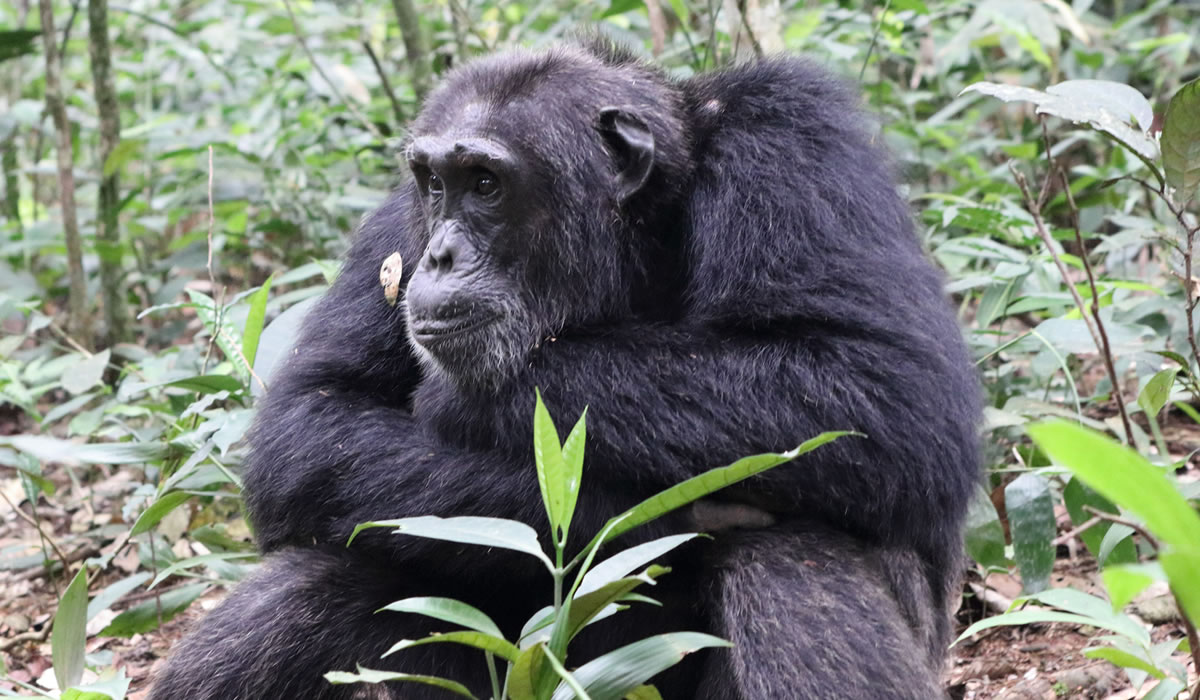
Chimpanzee Trekking in Nyungwe Forest | Everything You Need to Know
Deep in the southwestern corner of Rwanda, where the hills ripple like a green sea and ancient mist rolls in before dawn, lies one of Africa’s most extraordinary wilderness experiences, Chimpanzee Trekking in Nyungwe Forest National Park. While Rwanda has long been celebrated for its mountain gorilla encounters in the Volcanoes National Park, Nyungwe quietly offers something just as exhilarating — and in many ways, wilder. If gorilla trekking is a hushed audience with royalty, chimpanzee trekking is a barefoot sprint through a rain-soaked, shrieking, swinging republic.
This guide covers everything you need to know before you go — and why Nyungwe deserves a place at the very top of your East African itinerary.
What Is Nyungwe Forest?
Nyungwe Forest National Park covers roughly 1,013 square kilometres of montane rainforest in southwestern Rwanda, making it one of the oldest and largest mountain rainforests in Africa. It sits at elevations ranging from 1,600 to 2,950 metres above sea level, which gives it a cool, misty character quite unlike the Savannah parks most visitors associate with African wildlife.
The forest is home to 13 primate species, over 300 bird species, hundreds of butterfly varieties, and a staggering diversity of orchids and medicinal plants. But it is the chimpanzees — roughly 500 individuals spread across multiple habituated groups — that draw trekkers from around the world.
The Trekking Experience: What to Expect
Chimpanzee trekking in Nyungwe begins early. Visitors assemble at the Uwinka Visitor Centre or Cyamudongo forest sector before 5:00 a.m., where a park briefing outlines the rules of engagement: stay seven metres from the animals, no flash photography, keep your voice low, no eating near the chimps. Then, guided by experienced trackers who have often spent years with specific communities, you head into the forest.
And this is where Nyungwe diverges dramatically from the gorilla trekking experience at Volcanoes National Park.
Gorilla trekking is a relatively predictable affair. Gorilla groups move slowly, rest frequently, and tend to remain grounded. Once trackers radio in the group’s location, you hike to them — sometimes 30 minutes, sometimes five hours — but when you arrive, the gorillas are largely still. You stand, observe, photograph, and feel profoundly moved. The encounter is intimate, almost meditative, and lasts precisely one hour before you must leave.
Chimpanzee trekking is chaos. Beautiful, breathtaking, heart-pounding chaos.
Chimpanzees travel fast — often covering several kilometres before sunrise. They scream, display, and crash through the canopy in ways that make the forest feel suddenly and thrillingly alive. You may hear them long before you see them: a wild chorus of hoots and screeches that echoes off the tree trunks and raises the hairs on the back of your neck. Then, without warning, a chimpanzee swings overhead — close enough that you feel the rush of air — and disappears into the green.
Where a gorilla encounter feels like a sitting with elders, a chimpanzee encounter feels like gatecrashing a very loud family gathering that no one planned.
Habituated Groups and the Cyamudongo Sector
Nyungwe has two main areas for chimpanzee trekking. The main forest around Uwinka is vast and offers a classic deep-jungle experience, though sightings can be less guaranteed due to the sheer size of the habitat.
The Cyamudongo sector, a smaller, isolated forest patch approximately 25 kilometres from the main park, offers more reliable sightings. With a smaller, fully habituated chimpanzee community living in a contained area, Cyamudongo is widely regarded as the better bet for close, extended encounters. For first-time visitors who want to maximise their chances of a meaningful sighting, Cyamudongo is the recommended choice.
Habituation — the years-long process of acclimating wild primates to the presence of humans — is critical to both experiences. Without it, neither gorillas nor chimpanzees could be approached on foot. In Nyungwe, ongoing habituation work by the Rwanda Development Board and conservation partners continues to expand the number of groups available for tourism.
Nyungwe vs. Volcanoes: A Direct Comparison
| Chimpanzee Trekking (Nyungwe) | Gorilla Trekking (Volcanoes) | |
| Animal | Chimpanzee | Mountain Gorilla |
| Permit Cost | ~$100 USD | $1,500 USD |
| Time with Animals | Up to 1 hour | 1 hour |
| Trekking Difficulty | Moderate to strenuous | Moderate to very strenuous |
| Terrain | Dense rainforest, steep | Volcanic slopes, dense vegetation |
| Predictability | Lower (chimps move fast) | Higher (gorillas move slowly) |
| Group Size | Up to 8 trekkers | Up to 8 trekkers |
| Best Season | June–September, Dec–Feb | June–September, Dec–Feb |
| Experience Tone | Wild, electric, unpredictable | Intimate, awe-inspiring, still |
The cost difference alone is significant. A gorilla trekking permit in Rwanda sits at $1,500 per person — among the most expensive wildlife permits on the planet. A chimpanzee trekking permit in Nyungwe runs approximately $100. Both go directly toward conservation and local community development, but the accessibility of the chimpanzee experience makes Nyungwe a compelling option for travellers on a tighter budget who still want a life-defining primate encounter.
That said, the experiences should not be ranked against one another. They are fundamentally different emotional registers. Many seasoned Africa travellers do both — spending time at Volcanoes National Park before driving south to Nyungwe — and consistently report that the two encounters complement each other in ways that no single experience could.
Practical Information: What to Bring
The Nyungwe forest is cool and wet. Even in the dry season, morning mist and unexpected showers are common. Layering is essential.
Recommended packing list:
- Waterproof hiking boots with ankle support
- Long-sleeved shirts and long trousers (protects against insects and vegetation)
- A lightweight rain jacket or poncho
- Gardening gloves (to grip vegetation on steep descents)
- Insect repellent
- A hat and sunglasses for open stretches
- Snacks and at least 1.5 litres of water
- A camera with a telephoto lens (chimps rarely wait for you to focus)
- Patience — genuine, practiced patience
Physical fitness matters here. Unlike gorilla trekking, where porters are readily available and the pace is measured, chimpanzee tracking can involve sudden bursts of movement as trackers follow vocalizations. Trekkers should be comfortable with uneven terrain and several hours of walking at elevation.
Best Time to Visit Nyungwe
Rwanda’s dry seasons — June to September and December to February — are the most comfortable times to visit. Trails are less muddy, chimpanzee vocalisations carry further in clear air, and the canopy opens up slightly, offering better sightings.
The long rainy season (March to May) and short rains (October to November) are not impossible for trekking, and some travellers find the forest at its most atmospheric and crowd-free during these months. However, trails become slippery and unpredictable, and the added physical challenge should be factored into planning.
Beyond the Chimps: Other Reasons to Visit Nyungwe
Nyungwe is far more than a chimpanzee park. The famous canopy walkway — a 200-metre suspension bridge strung through the treetops at 50 metres above the forest floor — offers a dizzying bird’s-eye perspective on the forest ecosystem and remains one of the most thrilling non-adrenaline experiences in East Africa.
Colobus monkey treks are another highlight. Nyungwe hosts the largest troops of Angola colobus monkeys in Africa — groups of up to 400 animals that move through the canopy in a spectacular black-and-white cascade. Birdwatchers will find the forest equally rewarding, with rare Albertine Rift endemics including the Rwenzori turaco, handsome francolin, and the elusive African green broadbill.
Getting There
Nyungwe is approximately a four-to-five hour drive from Kigali along a well-maintained road that passes through Rwanda’s famous tea-covered hills. The drive itself is one of the most scenic in East Africa. Several lodges and tented camps line the forest edge — Nyungwe House and One&Only Nyungwe House are the most celebrated — while more affordable guesthouses are available in the nearby towns of Cyangugu and Huye.
Final Thoughts
Chimpanzee trekking in Nyungwe Forest offers something increasingly rare in modern travel: genuine wildness. Unlike the more structured, luxury-inflected experience of gorilla trekking — which is extraordinary in its own right — Nyungwe demands something of you. It asks for early mornings, muddy boots, flexibility, and a willingness to be surprised.
In return, it gives you something that no gorilla encounter, however moving, quite replicates: the feeling of moving fast through a living forest, chasing something that shares 98.7% of your DNA, whose society mirrors our own in ways we are still only beginning to understand.
Nyungwe is not Rwanda’s consolation prize for those who cannot afford a gorilla permit. It is a destination in its own right — and one of the continent’s great, undersung wilderness adventures.
Related Posts