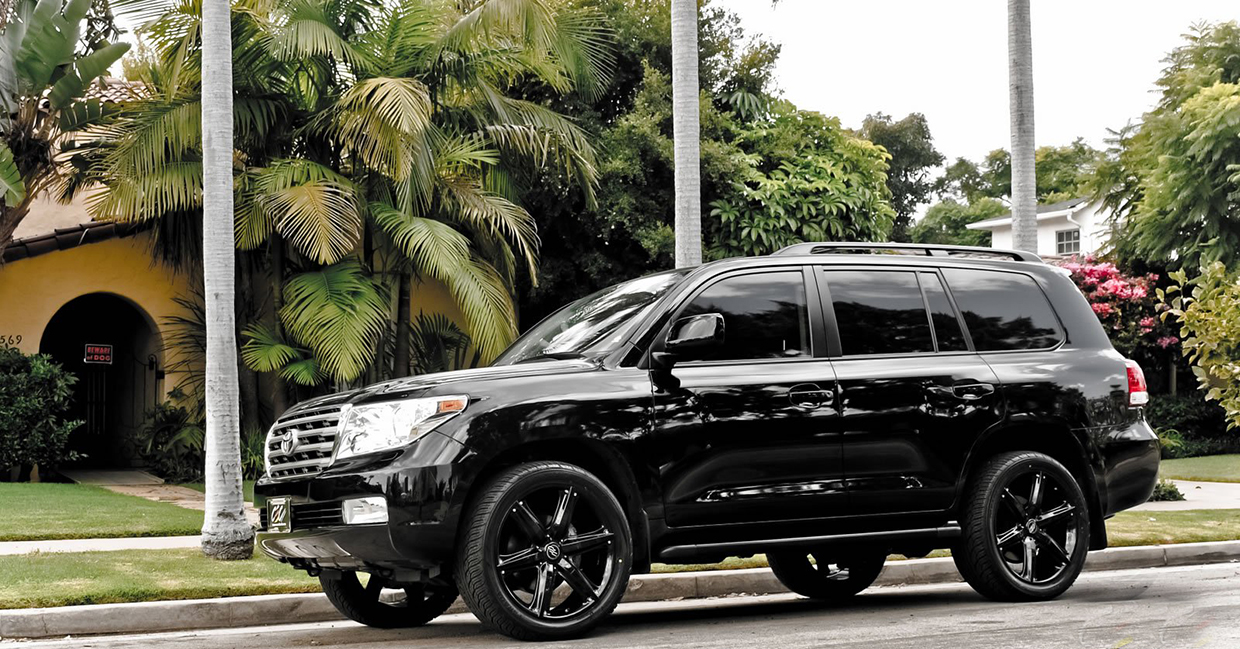
Kigali priority car hire help desks established for special guests represent a major upgrade for…
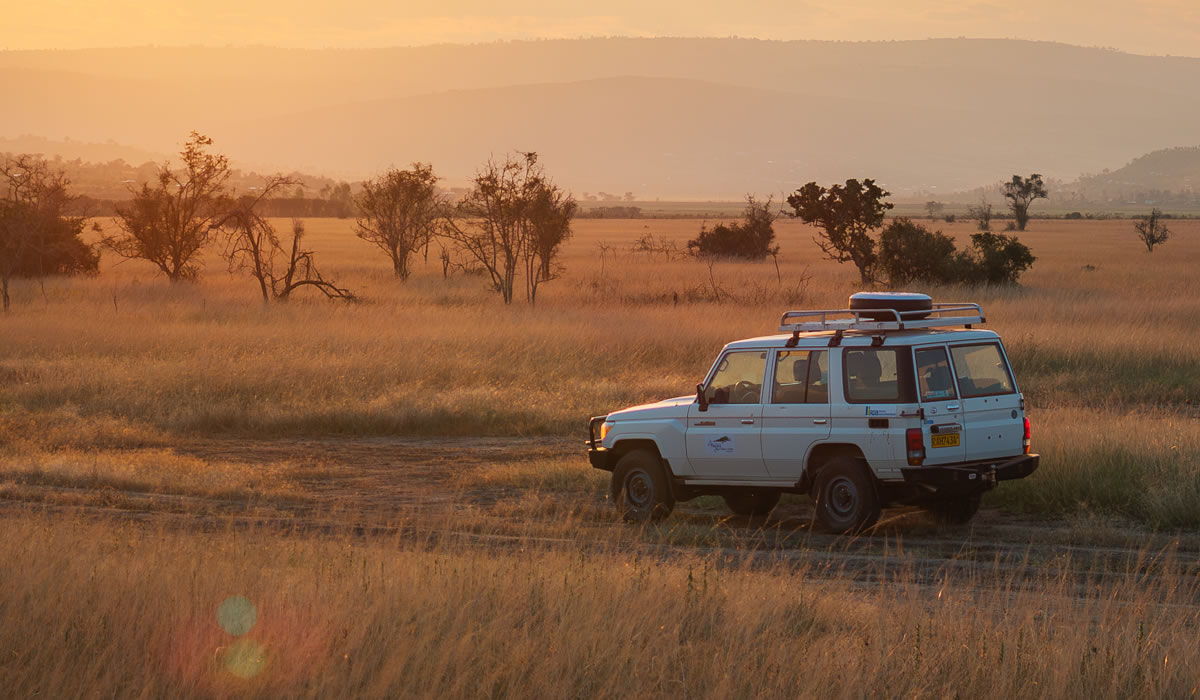
Top Tips for Driving in Rwanda as a Foreigner
Rwanda is one of Africa’s most remarkable success stories — a small, landlocked nation that has transformed itself into one of the continent’s cleanest, safest, and most organised countries. But for foreigners planning to get behind the wheel, navigating Rwandan roads requires preparation, awareness, and a healthy respect for rules that are enforced with surprising rigour. Whether you’re hiring a car in Kigali, road-tripping to Volcanoes National Park, or exploring the shores of Lake Kivu, here are the Top Tips for Driving in Rwanda as a Foreigner.
-
Get the Right Licence — and Carry It Always
The first thing any foreigner must sort out before driving in Rwanda is documentation. If you hold a valid driving licence from your home country, you can drive in Rwanda for up to three months without obtaining a local licence, provided your licence is written in English or French, or accompanied by a certified translation. An International Driving Permit (IDP) is strongly recommended and is widely recognised by traffic police.
If you’re planning a longer stay, you’ll need to convert your foreign licence at the Rwanda National Police headquarters or RURA (Rwanda Utilities Regulatory Authority). Carry your licence, passport, and any rental agreement on you at all times — police checkpoints are common and officers will ask to see your documents. Driving without valid documentation carries stiff fines.
-
Understand the Road Network — It’s Better Than You Think
Rwanda has invested heavily in its road infrastructure over the past two decades, and by East African standards, the results are impressive. The main highways connecting Kigali to key destinations — including Musanze (gateway to the gorillas), Huye (Butare), Rubavu (Gisenyi), and Rusizi (Cyangugu) — are largely well-paved and maintained.
That said, once you venture off the main arteries, conditions can change dramatically. Secondary and rural roads are often unpaved, deeply rutted, and prone to erosion, especially during the rainy seasons (March to May, and October to December). What looks like a short distance on a map can take significantly longer than expected on a dirt road in the hills. A 4WD or high-clearance vehicle is strongly recommended for anyone heading into rural areas or national parks.
Kigali’s road network is more complex. The city is built on hills — hence its nickname, “the city of a thousand hills” — and navigating its winding streets, roundabouts, and steep inclines takes some getting used to. Road signage in the capital has improved considerably, but GPS navigation (Google Maps works reasonably well) is your best friend in unfamiliar territory.
-
Drive on the Right Side — Rwanda Changed in 2009
This is one of the most important things to memorise if you’re coming from a country that drives on the left (such as the UK, Kenya, Uganda, or South Africa). Rwanda switched from left-hand to right-hand traffic in 2009 as part of the East African Community’s regional harmonisation effort. Today, traffic moves on the right side of the road, and you overtake on the left.
For drivers accustomed to left-hand traffic, this adjustment demands constant vigilance — especially at junctions, roundabouts, and when pulling out of petrol stations or car parks. Fatigue makes this even harder, so take breaks on long journeys and be especially careful at the start of each driving session.
-
Know the Speed Limits and Obey Them Strictly
Rwanda enforces its traffic laws seriously, and speed cameras are installed on major highways. The general speed limits are:
- 50 km/h in urban and residential areas
- 60 km/h in school zones (and even lower during school hours)
- 80 km/h on main rural roads
- 100 km/h on dual carriageways and highways where indicated
Exceeding these limits, even marginally, can result in on-the-spot fines or points recorded against your licence. Traffic police are visible and active — do not expect to talk your way out of a penalty. Bribery is also far less common in Rwanda than in many neighbouring countries; attempting it is both illegal and likely to make your situation significantly worse.
Seat belts are mandatory for all occupants, front and back. Mobile phone use while driving is prohibited. Motorcycle riders and their passengers must wear helmets — a rule that applies to the famous moto-taxis (motorcycle taxis) too, and riders will offer you a spare helmet before setting off.
-
Respect Pedestrians and Motorcycle Taxis (Motos)
Kigali and Rwanda’s other towns are busy with pedestrians, cyclists, and motos — the ubiquitous motorcycle taxis that weave through traffic with confidence and speed. As a foreigner, one of the biggest adjustments is learning to anticipate motos, who may appear suddenly from side streets, pass on either side, or stop abruptly.
Pedestrian crossings exist and are generally respected, but many pedestrians — particularly outside the capital — cross roads at unmarked points. Drive at a pace that gives you time to react, especially in market areas, near schools, and in villages where children may run into the road unexpectedly.
Avoid driving aggressively or hooting excessively. Rwandan road culture is notably calmer than in some other East African cities, and a patient, measured approach is both safer and more culturally appropriate.
-
Watch Out for Rainy Season Hazards
Rwanda’s rainy seasons bring their own set of driving challenges. Heavy downpours can cause flash flooding, turn dirt roads into muddy rivers, and trigger landslides, particularly in the country’s western and northern highlands. What was a navigable track in the dry season may become completely impassable after sustained rain.
Before heading into rural or hilly areas during the wet season, check local conditions, ask at your accommodation, and consider whether your journey is essential. Always carry emergency supplies — water, a torch, a first-aid kit, and a charged phone. Mobile coverage is good across much of Rwanda, including rural areas, so you’re rarely completely off the grid.
Fog is also common early morning in the highlands, including around Volcanoes National Park and the Nyungwe Forest region. Slow down, use your headlights, and don’t attempt these roads in the dark if you can avoid it.
-
Fuel Up Strategically
Petrol stations are readily available in Kigali and in the major towns. However, once you venture into more remote areas, stations can be sparse and may occasionally run out of stock. It’s good practice to fill your tank whenever it drops below half, rather than waiting until you’re running low. Carry a small, approved jerry can if you plan to travel off the beaten track.
Fuel in Rwanda is sold in litres and is priced in Rwandan Francs (RWF). Credit cards are accepted at some stations in Kigali, but cash is more reliable. Diesel and unleaded petrol are widely available; LPG is rare.
-
Navigating Police Checkpoints
Police checkpoints are a routine part of driving across Rwanda. They are generally courteous and professional — Rwanda’s police force has a strong reputation for integrity compared to many regional counterparts. At a checkpoint, slow down well in advance, wind down your window, greet the officer politely, and have your documents ready. You’ll usually be waved through in seconds.
Officers may ask to inspect your vehicle’s safety equipment. Rwandan law requires all vehicles to carry a fire extinguisher, a first-aid kit, a warning triangle, and a reflective vest. If you’re hiring a car, confirm with the rental company that these items are in the vehicle before you drive off.
-
Renting a Car — What to Know
Several reputable car rental companies operate in Kigali, including international brands and reliable local operators. Prices vary widely, and it pays to book in advance for peak travel seasons (July to September, December to January).
If you plan to drive to national parks, particularly Akagera on the eastern border or Volcanoes in the north, confirm that your rental agreement permits this and whether additional insurance is required. Some rental companies offer a driver for a modest additional fee — a genuinely worthwhile investment if you’re unfamiliar with the roads.
Read your insurance cover carefully. Comprehensive coverage is advisable, and you should understand the excess (excess amounts can be high). Take photos of the vehicle before driving away to document any pre-existing damage.
-
Embrace the Journey
Driving in Rwanda as a foreigner is, on balance, a genuinely rewarding experience. The roads are cleaner than in most of the region, drivers are relatively disciplined, and the scenery — emerald hills, tea plantations, crater lakes, and dense forest — is spectacular. With the right preparation, the right documents, and a patient attitude, a road trip through Rwanda can be one of the most memorable ways to experience this extraordinary country.
Drive safely, follow the rules, and take the time to stop, look around, and appreciate where you are.
Related Posts